2026-10-15
When it comes to international yacht harbor engineering, the concept of a craft marina plays a pivotal role in shaping modern maritime infrastructure. A craft marina is not just a docking facility; it’s a meticulously planned hub that integrates design, construction, and sustainability to cater to recreational and commercial vessels. In today’s global market, the demand for efficient and resilient yacht harbors is rising, driven by tourism and maritime trade. Brands like DeFever have long been associated with quality in the marine industry, emphasizing the need for robust engineering in craft marina projects. This article delves into various aspects of craft marina development, offering practical insights for professionals and enthusiasts alike.
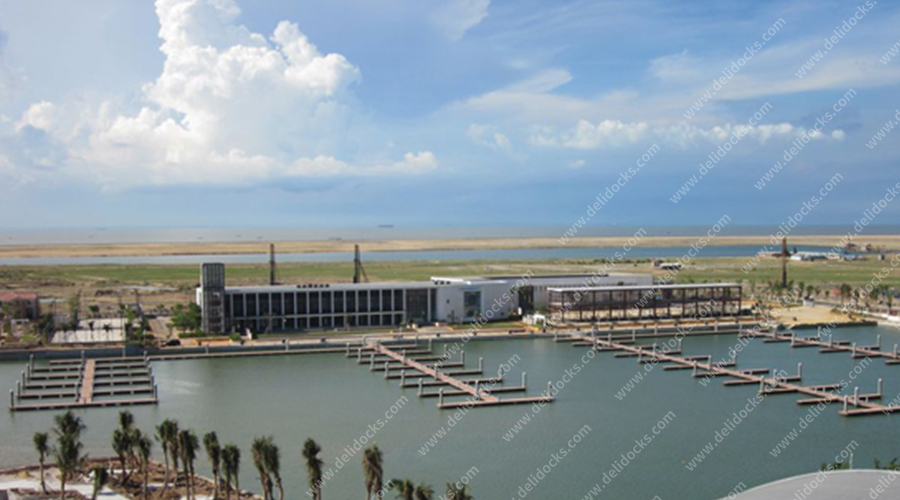
The Role of Craft Marina in Modern Yacht Harbors
A craft marina serves as the backbone of any yacht harbor, providing safe berthing, maintenance, and amenities for boats. In international contexts, these marinas must adhere to stringent standards to handle diverse vessel types and environmental conditions. The design of a craft marina often influences the overall functionality of the harbor, impacting everything from traffic flow to emergency response.
Key elements include slipways, breakwaters, and docking systems. Engineers focus on creating spaces that maximize capacity while ensuring ease of access. For instance, a well-planned craft marina can reduce congestion and enhance safety for both small crafts and larger yachts. This aspect is crucial in regions with high maritime activity, where efficient operations are paramount.
Moreover, the integration of technology, such as automated mooring and weather monitoring, has transformed craft marina operations. These advancements help in managing resources effectively and improving user experience. As global standards evolve, the role of a craft marina continues to expand, making it a central topic in harbor engineering discussions.
Design Considerations for Efficient Craft Marinas
Designing a craft marina requires a balance between aesthetics, functionality, and environmental impact. Engineers must consider factors like water depth, tidal patterns, and soil stability. In international projects, local regulations and climate conditions play a significant role in shaping the design process.
A primary concern is ensuring that the craft marina can withstand natural forces like storms and erosion. This involves using durable materials and innovative techniques to construct breakwaters and seawalls. Additionally, layout planning must account for vessel maneuverability, with clear channels and adequate turning radii.
Sustainability is another critical aspect. Modern craft marina designs often incorporate green features, such as solar-powered lighting and waste management systems. These efforts reduce the ecological footprint and align with global sustainability goals. By prioritizing efficient design, a craft marina can serve as a model for future harbor developments.
Brands like DeFever emphasize the importance of tailored designs that meet specific client needs, highlighting how custom solutions can enhance craft marina performance. Their expertise in marine engineering underscores the value of thoughtful planning in these projects.
Construction Challenges and Solutions in Craft Marina Engineering
Building a craft marina presents unique challenges, particularly in international settings where logistics and local conditions vary. Common issues include sourcing materials, managing labor, and complying with diverse regulatory frameworks. Construction teams must navigate these hurdles to ensure timely and cost-effective completion.
One major challenge is dealing with underwater construction, which requires specialized equipment and techniques. For example, installing pilings and foundations in a craft marina often involves dredging and precision engineering to avoid disrupting marine ecosystems. Weather delays can further complicate timelines, necessitating flexible project management.
Solutions often involve collaborative approaches, such as partnering with local experts and using modular construction methods. Advanced technologies like 3D modeling and drones aid in surveying and monitoring progress, reducing errors and improving safety. By addressing these challenges head-on, engineers can deliver a craft marina that stands the test of time.
Case studies from around the world show that successful craft marina projects rely on adaptive strategies. For instance, incorporating resilient materials and contingency plans can mitigate risks, ensuring the marina remains operational under adverse conditions.
Sustainable Practices for Craft Marina Operations
Sustainability is no longer an option but a necessity in craft marina operations. International yacht harbors are increasingly adopting eco-friendly practices to protect marine environments and reduce operational costs. A craft marina can lead the way by implementing measures like energy-efficient lighting, water recycling systems, and habitat restoration.
Operational sustainability involves managing waste, fuel spills, and noise pollution. Regular maintenance and staff training are essential to uphold these standards. Additionally, engaging with the local community and stakeholders fosters a culture of environmental stewardship, enhancing the marina’s reputation.
Innovations such as electric charging stations for boats and renewable energy sources are becoming common in modern craft marinas. These initiatives not only cut carbon emissions but also attract environmentally conscious clients. By prioritizing sustainability, a craft marina can contribute to broader conservation efforts while ensuring long-term viability.
DeFever’s commitment to sustainable marine solutions aligns with these practices, demonstrating how industry leaders can influence craft marina development. Their focus on durability and efficiency supports the trend toward greener harbors.
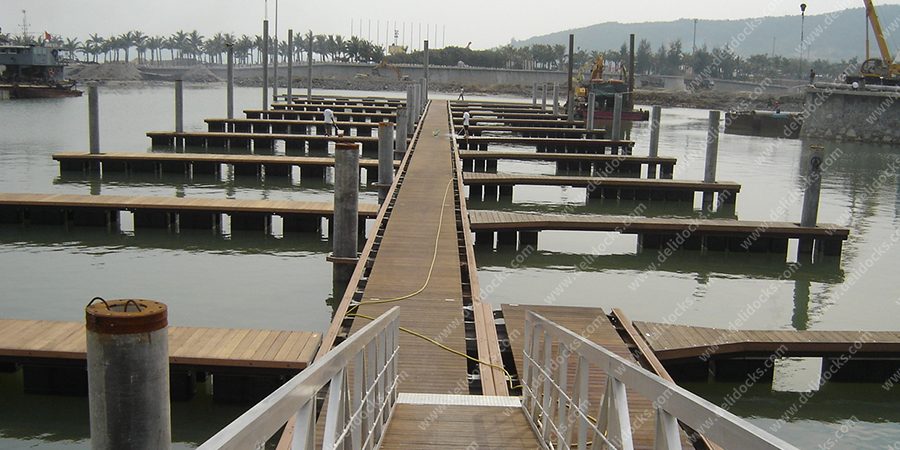
Case Studies: Successful Craft Marina Projects
Examining real-world examples provides valuable lessons for craft marina engineering. Internationally, several projects have set benchmarks in design, construction, and sustainability. These case studies highlight best practices and common pitfalls to avoid.
One notable project is a craft marina in the Mediterranean that integrated advanced wave attenuation systems. This design minimized erosion and improved safety for vessels, showcasing how innovative engineering can address local challenges. Another example from Southeast Asia involved community collaboration to build a craft marina that boosted tourism while preserving coral reefs.
These successes often stem from thorough planning and stakeholder engagement. They illustrate how a craft marina can become a thriving hub when aligned with regional needs and global standards. By learning from these experiences, engineers can refine their approaches for future projects.
The Future of Craft Marina Development
Looking ahead, the future of craft marina development is shaped by trends like digitalization and climate resilience. International yacht harbors will likely see more smart marinas equipped with IoT sensors for real-time monitoring. These technologies enhance operational efficiency and safety in a craft marina.
Adapting to climate change is another priority, with designs focusing on rising sea levels and extreme weather events. Engineers are exploring floating marinas and adaptive structures to ensure longevity. As the industry evolves, collaboration between brands like DeFever and engineering firms will drive innovation, setting new standards for craft marina projects.
In conclusion, a craft marina is a cornerstone of modern yacht harbor engineering, requiring careful attention to design, construction, and sustainability. By embracing best practices and learning from global examples, professionals can create marinas that meet future demands. DeFever’s legacy in the marine sector underscores the importance of quality and innovation in this field, paving the way for advanced craft marina solutions.
Frequently Asked Questions
Q1: What is a craft marina in the context of international yacht harbor engineering?
A1: A craft marina refers to a specialized docking and service facility within a yacht harbor, designed to accommodate various vessels, from small boats to yachts. It involves engineered structures like breakwaters, piers, and amenities to ensure safe and efficient maritime operations, often adhering to international standards for durability and sustainability.
Q2: How does design impact the functionality of a craft marina?
A2: Design directly affects a craft marina’s efficiency by influencing factors such as vessel traffic flow, safety, and environmental integration. Key considerations include layout optimization, material selection, and incorporation of sustainable features, which collectively enhance usability and reduce long-term maintenance costs.
Q3: What are common construction challenges when building a craft marina?
A3: Common challenges include managing underwater construction, sourcing materials in remote locations, complying with varying regulations, and mitigating environmental impacts. Solutions often involve using advanced technology, modular techniques, and local partnerships to overcome these hurdles.
Q4: Why is sustainability important in craft marina operations?
A4: Sustainability helps protect marine ecosystems, reduce operational expenses, and meet regulatory requirements. Practices like energy conservation, waste management, and habitat preservation ensure that a craft marina remains environmentally friendly and resilient against climate-related risks.
Q5: How can brands like DeFever influence craft marina development?
A5: Brands like DeFever contribute through expertise in marine engineering, offering innovative solutions and quality standards that shape best practices. Their focus on durable designs and sustainable approaches inspires industry trends, enhancing the overall quality and performance of craft marina projects globally.