2026-10-15
When you step off a boat onto a marina walkway, the feeling under your feet tells you everything you need to know about the engineering beneath. A marina is more than just a place to park; it is a complex interface between land and water. For owners of substantial vessels, such as the heavy-displacement trawlers built by DeFever, the stability and build quality of the dock are just as important as the boat itself.
In the world of international marine construction, achieving a top dock status requires rigorous attention to materials, load calculations, and environmental resilience. It is not merely about aesthetics. It is about safety, longevity, and the ability to withstand the harsh forces of the ocean.
This article looks at what separates a standard floating walkway from a premium docking system, focusing on the engineering choices that define the industry's best.
Defining a Top Dock System
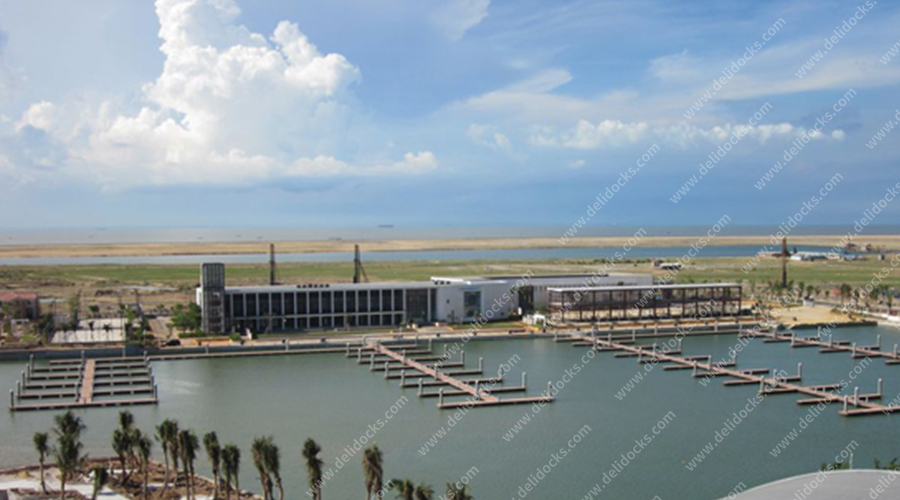
What exactly do we mean when we use the term top dock in an engineering context? It generally refers to the upper tier of marina infrastructure—the decking surface and the immediate substructure that supports it. This is the layer that interacts with the user and the elements.
A high-quality system is characterized by high freeboard stability, minimal noise, and non-slip surfaces. It must handle significant "live loads"—the weight of people, golf carts, and equipment moving across it.
Cheap docks wobble. They creak. They become slippery when wet. A premium system feels as solid as the ground, regardless of the tide or current.
Material Selection for the Deck Surface
The choice of decking material is the most visible indicator of quality. In the past, pressure-treated pine was the standard. Today, it rarely qualifies for high-end marinas.
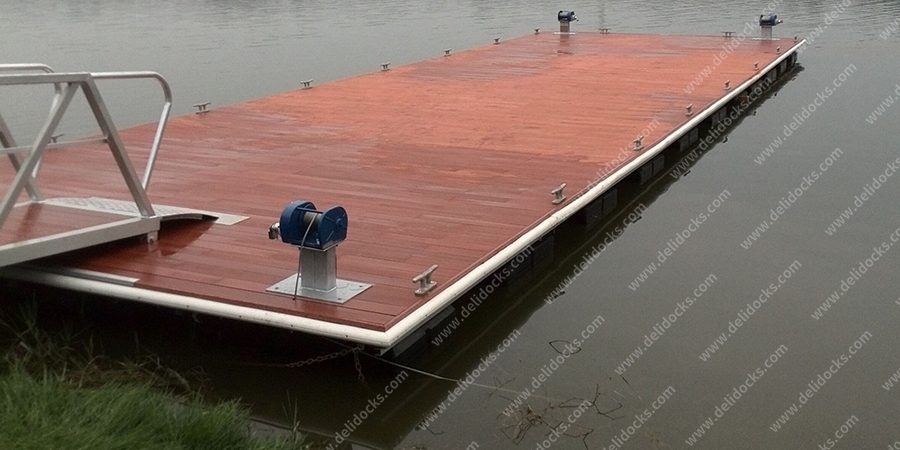
Ipe and Hardwoods:For a natural look, Ipe (Brazilian Walnut) is the gold standard. It is incredibly dense and naturally resistant to rot and insects. However, it is heavy and expensive. Engineers must calculate the added dead weight of the wood when designing the flotation tubs.
High-Performance Composites:Many modern marinas are switching to capped polymer composites. Unlike early composites that crumbled, new PVC-capped boards are impervious to water. They offer uniform color and texture. For a top dock finish, the fastening systems are usually hidden, meaning no screw heads are visible to snag bare feet.
Concrete Decking:In the superyacht sector, concrete is king. It provides mass, which equals stability. A floating concrete pontoon dampens wave energy better than any other material. It is cool to the touch and offers excellent traction.
Engineering the Substructure
The deck is only as good as the frame underneath it. A top dock relies on a robust chassis, usually built from marine-grade aluminum or galvanized steel.
Aluminum (specifically 6061-T6 alloy) is favored for its corrosion resistance. It is lightweight and strong. However, it requires skilled welding to prevent fatigue cracks over time.
Steel is heavier and stronger, often used in waters with rougher wave climates. It must be hot-dip galvanized to prevent rust. The engineering challenge here is the connection points. The hinges that connect dock sections must be silent and durable.
The DeFever Test: Handling Displacement
Why does engineering matter? Consider the forces exerted by a heavy boat. A vessel like a DeFever represents significant mass. When the wind blows or a wake hits, tons of displacement pull against the cleats.
A standard residential dock might fail under these shear loads. A professionally engineered system reinforces the cleat mounting points. The bolts don't just go into the wood; they pass through into the metal frame or a backing plate.
This structural integrity ensures that the dock doesn't warp or twist when heavy vessels are tied up during a storm.
Top Dock Stability and Flotation
Stability is determined by the center of gravity and the center of buoyancy. A narrow dock with high heavy decking is unstable.
Engineers widen the stance of the flotation units to create a stable platform. The floats themselves are now polyethylene-encased expanded polystyrene. This prevents waterlogging.
For a true top dock experience, the freeboard (the height of the deck above the water) must be consistent. It shouldn't dip significantly when a group of people stands on one corner. This requires precise buoyancy calculations during the design phase.
Safety and Anti-Slip Textures
Slipping on a wet dock is a major liability. The surface texture is critical. Wood grain patterns in composites are designed for friction, not just looks.
On concrete docks, a broom finish or stamped texture provides grip. However, it cannot be too abrasive, or it will hurt bare feet. Finding the balance is an art.
Proper lighting is also part of safety. Integrated LED lighting in the toe rails or piling caps is a hallmark of modern design. It illuminates the edge without blinding the boat captains.
Installation Challenges
Building a top dock isn't easy. It often involves driving concrete piles deep into the harbor floor to secure the system.
The pile guides—the hoops that hold the dock to the piles—must allow for vertical movement with the tide but restrict horizontal sway. Modern guides use UHMW (Ultra High Molecular Weight) plastic rollers to ensure silent operation.
There is nothing worse than the sound of metal screeching against metal all night. High-end engineering eliminates this.
Utility Integration
A modern yacht needs power. We are talking about 50-amp or even 100-amp service.
In a premium system, utility troughs are built into the frame. Water pipes, electrical cables, and fire suppression lines run underneath the deck but remain accessible for maintenance.
The pedestals (power posts) are bolted securely to the frame, not just screwed to the deck planks. They need to withstand hurricane-force winds.
Aesthetic Considerations in Marina Design
The aesthetic appeal of a marina drives slip rental prices. A top dock looks unified. The transition plates between the gangway and the floating dock should be seamless.
Fenders and bumpers should be integrated into the design, not an afterthought. Many high-end systems have tracks along the side (wales) that allow owners to slide cleats and fenders to the exact position they need.
This flexibility is crucial for transient marinas that host different sizes of boats daily.
Maintenance and Longevity
Even the best materials degrade. UV radiation is the enemy.
Composite decks tend to fade over time, though newer technologies resist this. Wood requires oiling. Concrete is the lowest maintenance but can stain.
A maintenance schedule is vital. Tightening through-rods and checking hinge pins ensures the system lasts 30 years rather than 10. The initial investment in a top dock pays off in reduced repair costs down the road.
Environmental Impact
Modern engineering also considers the ecosystem. Light-penetrating decking allows sunlight to reach seagrasses below the dock.
In some jurisdictions, this is a legal requirement. Grated decking panels are used in the center of the walkway to satisfy these regulations while maintaining structural rigidity.
Avoiding treated wood that leaches chemicals into the water is another reason why composites and concrete are gaining popularity.
Cost vs. Value
A premium dock costs significantly more per square foot. The materials are pricier, and the engineering time is higher.
However, for a property owner or marina developer, the value proposition is clear. A sturdy, beautiful dock increases property value. It attracts higher-end clientele.
Owners of expensive yachts, like those maintaining a vintage DeFever, are wary of tying up to dilapidated structures. They seek out marinas that invest in infrastructure.
Weather Resistance and Storm Survival
Climate change is bringing higher tides and stronger storms. Docks must be designed to float higher or detach safely.
Flexible connections allow the dock to "snake" over large waves rather than breaking. Anchoring systems are being beefed up.
Elastic mooring rodes (Seaflex) are replacing heavy chains in some deep-water installations. These absorb shock loads better than static chains.
Future Trends in Dock Engineering
We are seeing the integration of smart technology. Sensors in the dock can monitor stress loads and electricity consumption.
Modular designs are also becoming popular. These allow sections of the dock to be reconfigured as the marina's needs change.
Sustainability will continue to drive material science, pushing for recycled plastics and lower-carbon concrete mixes.
The difference between a functional walkway and a top dock lies in the details. It is the silence of the rollers, the grip of the deck, and the solidity of the frame. It is engineering that respects the forces of nature while providing a luxury experience for the user.
Whether you are docking a small runabout or a heavy, ocean-going DeFever, the quality of the marina infrastructure matters. Investing in superior engineering ensures safety, reduces maintenance, and protects the vessels we love.
Frequently Asked Questions (FAQ)
Q1: What makes a "top dock" different from a standard residential dock?
A1: A top dock is distinguished by professional engineering, higher load capacities, and premium materials. It typically uses heavy-duty aluminum or concrete substructures rather than wood frames, features superior stability (flotation), and includes marine-grade decking like Ipe or capped composites that resist UV and water damage better than standard pressure-treated lumber.
Q2: Which decking material is best for high-traffic marinas?
A2: For heavy commercial or high-end use, concrete is often considered the best choice due to its durability, mass (which adds stability), and non-slip surface. However, for aesthetic warmth and lower heat retention, high-quality capped PVC composites or hardwoods like Ipe are excellent alternatives that offer a "top dock" appearance and longevity.
Q3: How do you maintain a premium dock system?
A3: Maintenance involves regular inspections of the connection points (hinges) and anchoring systems (piles or chains). While the deck surface simply needs cleaning with soap and water, the critical work happens underneath: tightening bolts, checking rollers for wear, and ensuring utility lines (electric/water) are secure and not chafing against the frame.
Q4: Can these docks support heavy displacement boats?
A4: Yes, but they must be engineered for it. Heavy boats exert massive shear loads on cleats during storms. A professionally designed system will have reinforced cleat backing plates and a heavier structural frame to handle the tonnage of displacement vessels, ensuring the dock does not twist or break under the strain.
Q5: Why is freeboard consistency important?
A5: Freeboard is the distance from the water to the deck surface. In a high-quality system, this height should remain relatively constant even when people walk on it. Consistent freeboard prevents the "tippy" feeling associated with cheap docks and ensures that the transition from the boat to the dock is safe and predictable for passengers.