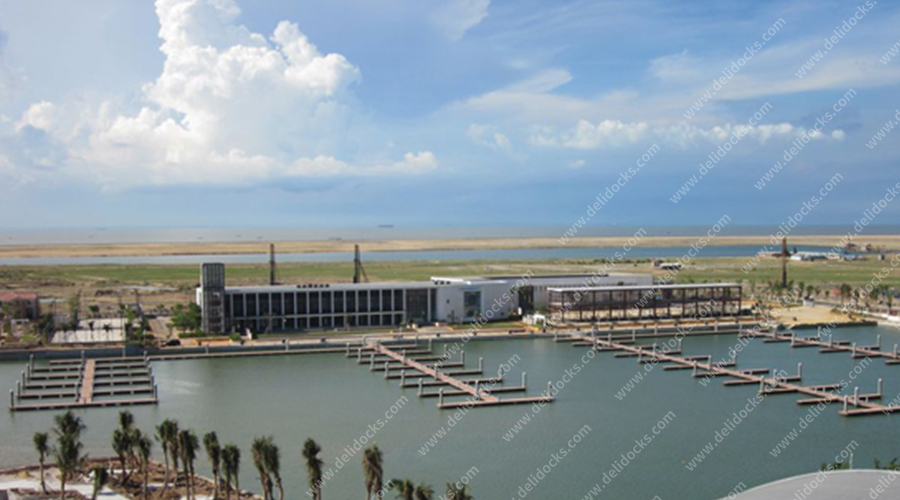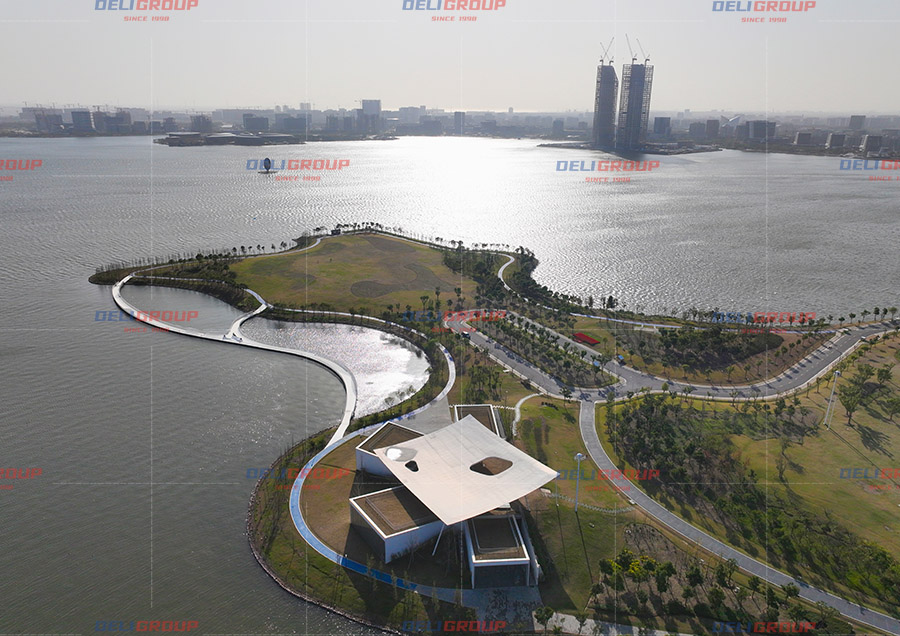
Marina developers, harbor masters, and private island owners evaluating new berthing infrastructure frequently ask about baseline floating dock cost per square foot. However, the answer depends on multiple interdependent factors: water depth fluctuation range, vessel deadweight loads, local wave exposure, and corrosion protection requirements. A shallow-water pleasure craft dock uses different engineering than a heavy-lift commercial platform. This guide breaks down cost drivers by system type, anchoring methodology, and finishing specifications, with practical examples drawn from projects completed by DeFever across tidal zones and sheltered basins.
1. Core Material Systems and Their Price Influence
The largest variable in any floating dock cost per square foot is the primary buoyancy and decking material. Each category has distinct advantages for specific environments.
1.1 Concrete Floating Docks
Reinforced concrete pontoons with integral buoyancy chambers are common for high-load applications (fireboat stations, ferry landings, large yachts). The concrete mix must achieve 5,000 psi compressive strength at 28 days, with C3A content limited to 8% for saltwater resistance. Steel reinforcement requires epoxy coating or galvanization, plus a minimum cover of 2 inches. The floating dock cost per square foot for concrete systems typically ranges higher due to formwork, reinforcing steel placement, and post-pour curing protocols. However, concrete offers exceptional mass (reducing motion) and low maintenance if properly sealed.
1.2 Aluminum-Framed Docks
Marine-grade aluminum (6061-T6 or 5086-H32) extrusions provide high strength-to-weight ratio. The frame supports polyethylene foam blocks or encapsulated air chambers. Welding must follow AWS D1.2 with 5356 filler rod to prevent galvanic corrosion at dissimilar metal connections. Aluminum systems show lower material-based floating dock cost per square foot than concrete for medium-load residential marinas, but require careful electrical isolation from submerged steel components.
1.3 Rotomolded Polyethylene Sections
Light-duty modular docks using hollow HDPE construction suit wave-sheltered lakes and small craft slips. The manufacturing process requires UV-stabilized resin (minimum 8% carbon black) to prevent degradation. These units show the lowest entry price per square foot but provide limited point-load capacity (typically ≤150 kg per fastener point). For transient boat traffic, this material works, but for frequent heavy fender compression, aluminum or concrete is preferred.
2. Anchoring and Mooring Configuration Costs
The interface between floating dock and seabed significantly affects project budgets. Three primary systems exist, each with different foundation requirements.
2.1 Pile Guide Systems
Galvanized steel or fiber-reinforced polymer piles driven into the substrate, with dock-mounted guide rings or rollers. Pile depth depends on soil composition – cohesive clay requires less penetration than loose sand. For a given floating dock cost per square foot, pile systems add approximately 30-45% compared to simple anchoring due to pile driving equipment mobilization and cathodic protection for steel piles in saltwater.
2.2 Cable and Deadweight Anchors
Concrete blocks (3-8 tons) placed on the seabed with chain-rope bridles connecting to dock corners. Suitable for water depths under 20 feet with soft bottoms. The floating dock cost per square foot for cable systems is lower upfront, but requires annual chain inspection for abrasion and corrosion. Block positioning requires dive teams or GPS-guided drop vessels.
2.3 Spud Pole Systems
Vertical steel pipes that penetrate through dock guide tubes and embed into the bottom. Designed for extreme tidal ranges (over 10 feet). Spud poles impose higher unit costs because each pole requires a dedicated welded sleeve and locking mechanism. For exposed fetch conditions, this configuration is mandatory.
3. Decking and Surfacing Materials
The walking surface impacts not only price but also slip resistance, heat reflection, and maintenance intervals.
Marine-grade plywood with fiberglass overlay – Lowest initial material cost but requires annual resealing. Not recommended for tidal zones with freeze-thaw cycles.
Extruded aluminum plank with textured coating – Moderate cost; coating must be UV-stable polyurethane (minimum 3 mils dry film thickness). Expect recoating every 8-10 years.
Modified wood-plastic composite (WPC) – 60% HDPE + 40% wood fiber. Avoid in high-traffic commercial docks because of fastener loosening. Cost per square foot falls between aluminum and treated wood.
Prefinished Ipe or Cumaru hardwood – High density (Janka >3,000 lbf), naturally rot-resistant. Requires stainless steel hidden clips. The material alone can double the base floating dock cost per square foot compared to plywood.
4. Site-Specific Engineering Surcharges
No two waterfront sites share identical load cases. Below are conditions that alter the baseline floating dock price.
4.1 Wave Energy and Freeboard Adjustment
Open-water locations with significant fetch (>2 miles) require higher freeboard (18-24 inches above water) to prevent deck submergence during storms. Increased freeboard demands larger buoyancy volume, which raises material consumption. Similarly, wave attenuators or breakwater integration adds to overall system cost per square foot.
4.2 Utility Integration and Shore Connections
Marinas requiring power pedestals, freshwater lines, or fiber optic conduits on the floating dock must install flexible umbilical cables with drip loops. The utility package adds roughly 12-18% to the base structure cost. For projects needing sewage pump-out lines, the floating dock cost per square foot increases due to reinforced piping and leak detection chambers.
4.3 Fire Resistance Ratings
Certain jurisdictions mandate flame-spread index < 25 for dock surfaces (ASTM E84). Only aluminum decks or concrete with intumescent coating meet this requirement. Wood-based composites typically exceed the limit and cannot be used near fuel docks.
5. Fabrication Tolerances and Quality Assurance Protocols
Professional dock fabricators follow standards that prevent premature failure. Experienced manufacturers like DeFever implement the following controls, which influence final pricing but reduce lifecycle claims.
Ultrasonic weld inspection for all aluminum structural joints (critical at pile guide connections).
Positive buoyancy testing: each pontoon section is water-tested at 1.5x design load for 24 hours.
Coating holiday detection for steel components (spark testing at 9kV).
Threaded insert pull-out verification for deck fasteners (minimum 1,000 lbs withdrawal resistance).
Skipping these steps reduces initial floating dock cost per square foot but results in fastener failures or buoyancy leaks within two seasons.
6. Installation Logistics and Water Depth Challenges
How the dock is assembled and launched contributes to the final project invoice. Options include:
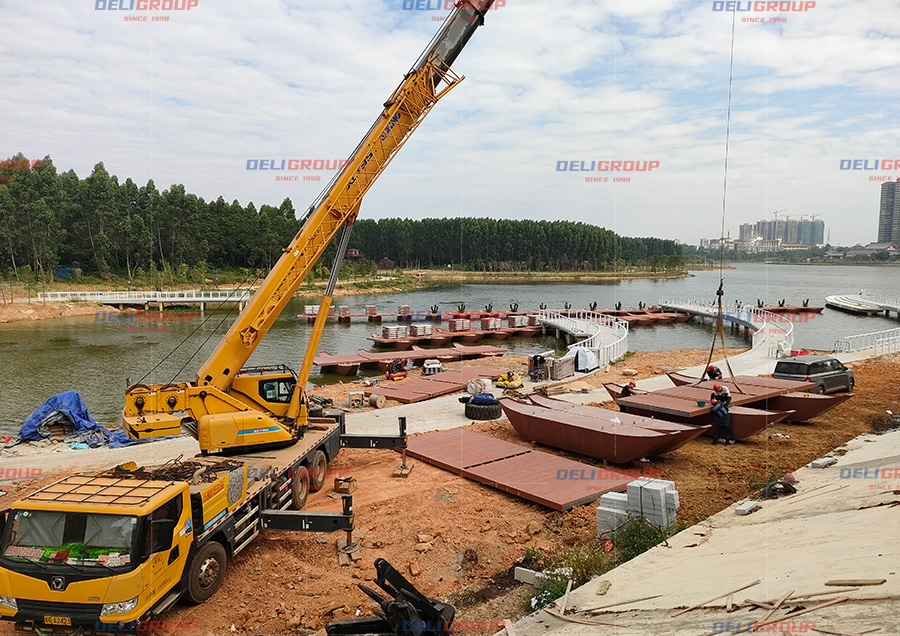
Shoreline assembly with crane launch – Best for sites with road access and a launch ramp. Crane barge daily rates range considerably by region.
Modular sections towed to site – Suitable for remote islands; requires tugboat and permits for waterway transport.
In-water sectional assembly – Divers align and bolt components. This method doubles installation labor hours compared to shore assembly.
Draft limitations also matter. If the site has a shallow sill (<3 feet at low tide), conventional barges cannot approach. Then, helicopter or marsh buggy delivery may be required, significantly elevating the per-square-foot delivery surcharge.
Frequently Asked Questions – Floating Dock Cost Per Square Foot and Engineering Choices
Q1: What is the typical range for floating dock cost per square foot for a small private marina (up to 10 slips)?
A1: For small recreational installations using aluminum frames and composite decking, the range is $110–$180 per square foot, including basic anchoring (deadweight blocks) and installation. Concrete heavy-duty docks for larger vessels start at $220 per square foot. These figures exclude utility connections or wave protection. Projects requiring below-dock lighting or diver inspection ports add extra.
Q2: How does saltwater vs. freshwater exposure change material selection and floating dock cost per square foot?
A2: Saltwater demands 5086 aluminum (higher corrosion resistance) instead of 6061, plus zinc sacrificial anodes attached to every 20 feet of dock. Freshwater allows 6061 aluminum and eliminates anodes. The floating dock cost per square foot for saltwater-certified materials is approximately 18-22% higher due to alloy upcharge and anode installation. Additionally, concrete mixes in saltwater require silica fume admixture, adding $8–12 per square foot.
Q3: Can I install a floating dock on a soft mud bottom without deep piles?
A3: Yes, using “spud cans” – large-diameter shallow footings that distribute load over soft substrate. However, the floating dock cost per square foot increases because each spud can requires custom fabrication (3/8-inch steel plate with mud flaps). Alternatively, a grid of HELIX screw anchors can be used, but load testing per anchor is mandatory (minimum 2,000 lbs uplift resistance).
Q4: What is the minimum freeboard recommended for a commercial floating dock serving 40-foot cabin cruisers?
A4: For vessels with displacement over 15,000 lbs, freeboard (deck height above water at full load) should be at least 18 inches. For exposed locations, 24 inches. Lower freeboard results in deck awash when two boats tie alongside on the same side. Manufacturers like DeFever calculate freeboard based on live load of 100 psf distributed plus point load of 5,000 lbs over a 2x2 foot area. Request a buoyancy calculation sheet before finalizing design.
Q5: How do I obtain a firm quote when multiple variables are unknown (soil condition, wave climate)?
A5: Professional dock suppliers require a bathymetric survey (depth contours at mean low water) and a geotechnical boring report from the slip area. If these are not available, the supplier will include a contingency surcharge (typically 25% of material cost) in the floating dock cost per square foot to cover unknown foundation work. To eliminate contingency, hire a marine engineer to produce a site characterization report including wind fetch analysis and sediment shear strength.
Q6: Are there any hidden fees that increase the final floating dock cost per square foot after contract signing?
A6: Common additions include mobilization fees for barges (if a launch ramp is unavailable), environmental mitigation for eelgrass or oyster beds, and winterization (de-icing systems for freshwater marinas). Also, any requirement for submerged pile encapsulation (to prevent marine borer attack) adds $15–$25 per linear foot of pile. Always request a line-item breakdown for anchoring, decking, and delivery before award.
For a detailed proposal matching your specific water depth, vessel profile, and local wave conditions, submit an inquiry with your site coordinates and desired slip dimensions. Provide the average annual water level fluctuation and whether you require electrical or water hookups. A DeFever project engineer will respond with a preliminary layout, material recommendations, and a per-square-foot estimate based on your soil reports.
Send your inquiry including the number of berths, target deck material (aluminum/composite/concrete), and preferred anchoring method. Include any drawings of the shoreline access points. The estimating team will return a fixed-price breakdown for fabrication, packaging for sea freight, and on-site assembly supervision.