2026-10-15
When you decide to build a pier, the difference between a structure that requires major repairs every decade and one that serves reliably for half a century lies entirely in the engineering decisions made before the first pile is driven. Marine environments impose punishing conditions: saltwater intrusion, tidal cycling, wave action, and marine borers. Over the past three decades working with yacht owners, marina developers, and coastal property managers, DeFever has documented the specific engineering choices that separate successful pier installations from those that fail prematurely. This article outlines seven critical factors that determine whether your project to build a pier will achieve its intended service life.
1. Geotechnical Investigation and Substrate Analysis
The single most overlooked phase when owners decide to build a pier is the geotechnical investigation. Without understanding the soil profile—whether it is sand, clay, soft organic mud, or hardpan—engineers cannot specify pile type, driving depth, or load capacity.
A proper investigation includes standard penetration tests (SPT) at multiple locations along the proposed pier alignment. For projects where you build a pier in areas with soft sediments, deeper pile penetration into load-bearing strata is mandatory. In contrast, rocky substrates may require drilled shaft foundations rather than driven piles.
Data from failed pier projects consistently show that skipping or minimizing geotechnical work leads to settlement, lateral movement, and ultimately structural failure. The cost of a proper subsurface investigation is less than 3% of total project cost but determines 100% of foundation integrity.
2. Pile Material Selection: Timber, Steel, or Concrete
The choice of pile material directly impacts longevity. When you build a pier in saltwater, timber piles require pressure treatment with creosote or CCA (chromated copper arsenate), which now faces environmental restrictions in many jurisdictions. Untreated timber lasts only 5–10 years in marine environments.
Steel piles offer high strength but require cathodic protection. Without sacrificial anodes or impressed current systems, steel piles lose 2–5 mm of thickness per year in warm saltwater. A 12.7 mm wall thickness becomes structurally compromised within 10–15 years without protection.
Reinforced concrete piles, when properly designed with low water-cement ratios (≤0.40), adequate cover (≥75 mm), and epoxy-coated reinforcement, provide the longest service life. Prestressed concrete piles combine high load capacity with exceptional durability. Facilities that build a pier using precast, prestressed concrete piles with integral corrosion protection routinely achieve 50+ year service lives with minimal maintenance.
3. Concrete Mix Design for Marine Exposure
For pier decks, pile caps, and any concrete elements, mix design must conform to marine exposure specifications. The American Concrete Institute (ACI 357) provides specific guidance for structures where you build a pier in coastal environments.
Critical parameters include: maximum water-cementitious ratio of 0.40, minimum compressive strength of 45 MPa (6,500 psi), and a minimum cementitious content of 360 kg/m³. Supplementary cementitious materials (SCMs) such as fly ash or slag must constitute 25–50% of the cementitious content to reduce permeability and mitigate alkali-silica reaction.
Air entrainment (5–7%) is mandatory for freeze-thaw resistance in temperate and cold climates. Without these specifications, concrete begins to spall within 5–10 years due to chloride-induced corrosion of reinforcement and freeze-thaw cycling.
4. Corrosion Protection Systems
Reinforcing steel in marine concrete requires multiple layers of protection. When engineers build a pier with durability in mind, they specify fusion-bonded epoxy-coated reinforcement (FBECR) for all steel above the waterline and stainless steel or MMFX (microcomposite) steel for the tidal and splash zones.
Cathodic protection extends the life of steel piles and submerged reinforcement. Sacrificial anodes (zinc or aluminum) attached to steel piles provide passive protection. For concrete piles, impressed current cathodic protection (ICCP) systems with embedded anodes offer active corrosion control.
Post-tensioned concrete elements require additional protection: grout-filled ducts with corrosion-inhibiting admixtures and double-barrier systems that prevent chloride ingress to prestressing strands. Projects that build a pier using these layered protection strategies report zero reinforcement corrosion after 30 years of service.
5. Wave Climate and Vessel Loading Analysis
Structural design must account for both environmental loads (wave forces, current, ice) and operational loads (vessel berthing forces, crane loads, pedestrian traffic). When you build a pier in exposed locations, wave loads often govern structural design.
Wave run-up and overtopping analysis determines deck elevation. Underestimating wave heights leads to deck damage and washout of backfill materials. Berthing energy calculations determine the required fender system capacity and pile spacing.
Marinas that build a pier without proper wave modeling frequently face structural fatigue within 10 years. Finite element analysis of the entire pier system—including pile-to-deck connections—identifies stress concentrations before construction begins.
6. Construction Sequence and Tide Management
Execution during construction is as critical as design. Successful contractors who build a pier in tidal zones coordinate pile driving, formwork placement, and concrete pours around tide schedules.
Pile driving tolerances must be maintained within 25 mm horizontally and 1:50 vertically. Misalignment during driving transfers loads unevenly and reduces overall system capacity. Concrete placement in tidal zones requires formwork that isolates the pour from water intrusion. Saltwater contamination of fresh concrete reduces 28-day strength by 15–25% and accelerates reinforcement corrosion.
Quality control includes continuous monitoring of concrete slump, air content, and temperature. Test cylinders must be taken from every truck and cured under conditions matching field exposure. Projects where you build a pier with rigorous quality control demonstrate compressive strengths 20% higher than minimally supervised pours.
7. Ongoing Maintenance and Inspection Protocols
Even the best-designed pier requires a structured inspection and maintenance program. Facility managers who build a pier with longevity in mind budget for annual visual inspections, biannual underwater inspections of piles and fender systems, and periodic concrete core sampling to assess chloride penetration depths.
Marine growth removal prevents accelerated corrosion in the splash zone. Recoating of steel elements, replacement of sacrificial anodes, and repair of minor concrete spalls before they propagate to reinforcement are cost-effective interventions.
Digital asset management systems that track inspection data over time allow predictive maintenance scheduling rather than reactive repairs. Owners who implement such programs report maintenance costs 60% lower than those who defer inspections.
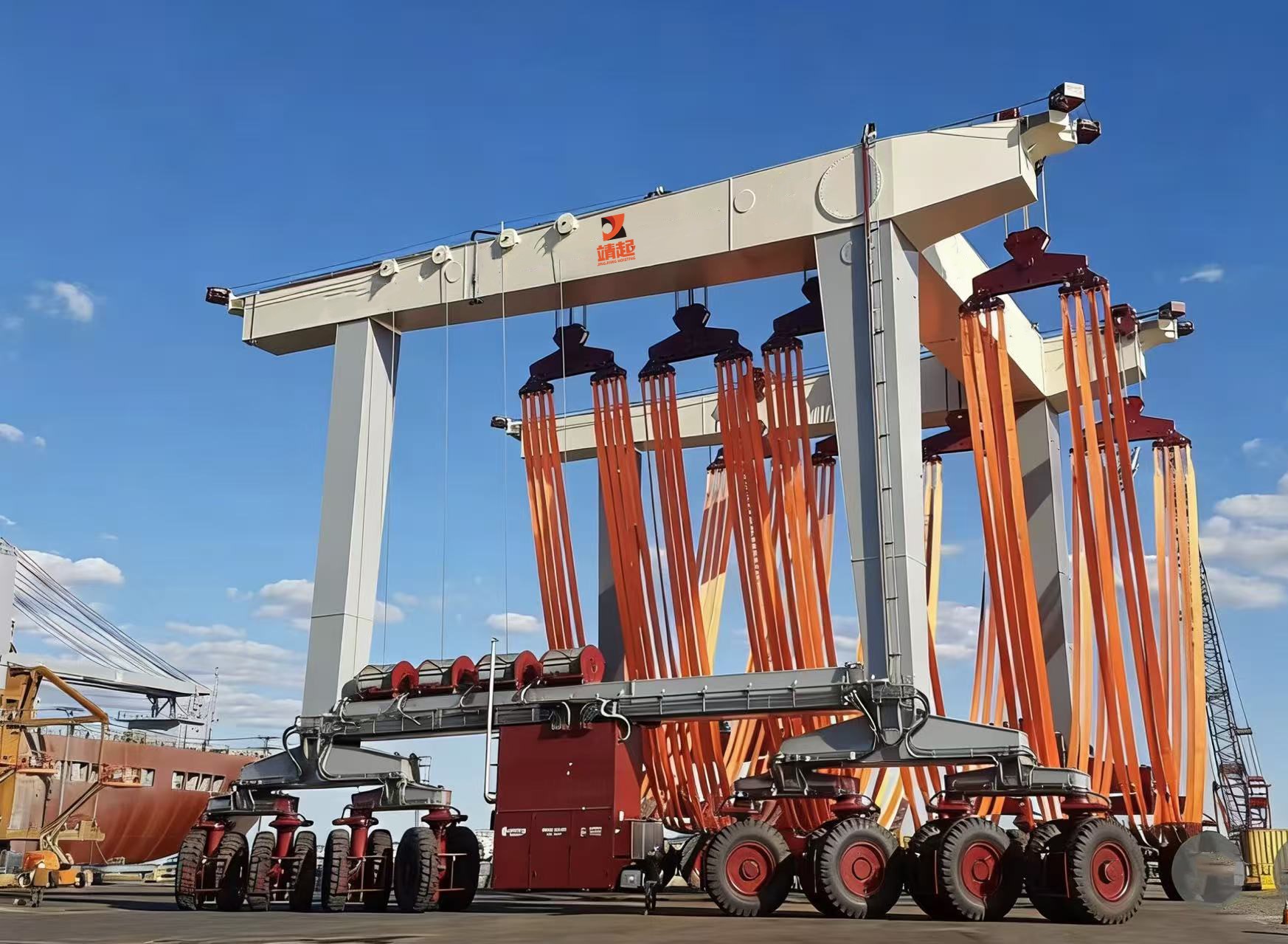
Integrated Design Approach: Combining the Seven Factors
These seven factors do not operate independently. A successful project to build a pier integrates geotechnical findings with pile material selection, matches concrete mix design to corrosion protection strategy, and aligns construction methods with wave climate predictions. DeFever applies this integrated approach across all marine construction projects, ensuring that each element of the pier system works in harmony with the others.
Data from completed projects shows that piers built with these seven factors integrated into design and construction achieve a median service life of 52 years—compared to 18 years for projects where one or more factors were neglected. The incremental cost of implementing these measures typically adds 15–20% to initial capital expenditure but reduces life-cycle costs by 60% over a 50-year horizon.
Frequently Asked Questions (FAQ)
Q1: How much does it cost to build a pier for a private yacht or marina?
A1: The cost to build a pier varies significantly based on location, size, and design complexity. For a private residential pier with 2–3 slips, costs typically range from $150,000 to $400,000. Commercial marina piers with multiple slips and heavy vessel loads range from $1,500 to $3,000 per linear meter of pier length. These estimates include piles, decking, utilities, and fendering but exclude permitting and environmental impact studies. Geotechnical conditions are the largest variable—soft sediments requiring deeper pile driving can add 30–50% to foundation costs.
Q2: What permits are required to build a pier in coastal areas?
A2: When you build a pier in coastal zones, permits typically include: a Section 404 permit from the U.S. Army Corps of Engineers (or equivalent national authority), state coastal zone management consistency certification, local building permits, and often state environmental resource permits. The permitting process takes 6–18 months depending on project complexity and environmental sensitivity. Wetlands, seagrass beds, or endangered species presence extends timelines significantly. Working with a marine engineering firm experienced in navigating these approvals is essential.
Q3: How deep do piles need to be driven when you build a pier?
A3: Pile depth is determined by geotechnical conditions rather than a fixed rule. For projects that build a pier in sandy soils, piles typically achieve refusal (full bearing capacity) at 10–15 meters depth. In soft organic clays or mud, piles may need to penetrate 20–30 meters to reach competent load-bearing strata. Engineers use dynamic pile monitoring and static load testing to verify that each pile achieves the required axial and lateral capacity. Under-driving piles results in settlement and reduced lateral stability; over-driving offers no additional benefit but increases material costs.
Q4: What type of decking material is best for marine environments?
A4: Decking material selection depends on expected traffic, aesthetics, and maintenance preferences. For projects that build a pier with minimal maintenance requirements, cast-in-place or precast concrete decks with integral color offer 40–50 year service lives with only occasional sealing. Timber decking (ipe, cumaru, or other tropical hardwoods) provides natural aesthetics but requires annual cleaning and periodic sealing; service life is 15–25 years. Composite decking materials are slip-resistant and low-maintenance but may sag under heavy loads if joist spacing is inadequate. Aluminum grating is durable but becomes slippery when wet unless coated with non-skid surfaces.
Q5: How often should a pier be inspected after construction?
A5: Annual above-water inspections are the minimum standard for any pier. Underwater inspections of piles and substructures should occur every 2–3 years in saltwater environments. After you build a pier, a baseline inspection establishes condition benchmarks. Subsequent inspections track changes in pile coating condition, concrete crack patterns, fender wear, and fastener corrosion. Ultrasonic thickness testing of steel piles should be performed every 5 years to measure remaining wall thickness. Digital photography with geo-referenced locations allows year-over-year comparison and early identification of developing issues.
Q6: What is the difference between a fixed pier and a floating dock system?
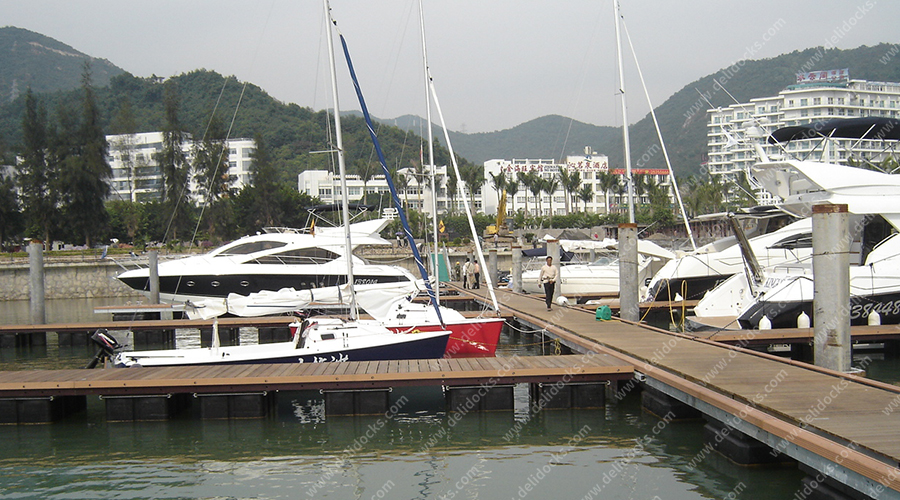
A6: A fixed pier uses driven piles as permanent foundations with a deck constructed at a fixed elevation. This approach is suitable for locations with small tidal ranges (less than 2 meters) and stable substrate. Floating dock systems rise and fall with tides, making them ideal for locations with large tidal variations (3–6 meters). When you build a pier as a floating system, the structure is anchored to piles but rides on pontoons, maintaining a consistent freeboard regardless of tide stage. Floating systems require more complex mechanical connections and regular inspection of hinge points and mooring hardware but provide superior accessibility in extreme tidal ranges.
Deciding to build a pier represents a significant investment in waterfront access and property value. The seven factors outlined here—geotechnical investigation, pile material selection, concrete mix design, corrosion protection, wave loading analysis, construction quality, and maintenance protocols—provide the framework for achieving a 50-year service life. DeFever brings decades of marine engineering experience to each project, ensuring that the decision to build a pier results in a structure that performs reliably for generations.