2026-10-15
Selecting a marine construction partner is one of the most consequential decisions a waterfront property owner or marina developer will make. The difference between a structure that requires constant repair and one that performs reliably for decades lies in the contractor you choose. The best dock contractor brings not only construction experience but also engineering depth, material science knowledge, and a track record of navigating complex permitting environments. DeFever has served as a marine construction authority for over four decades, and through that experience we have identified seven distinct indicators that separate the best dock contractor from the rest. This article outlines those indicators to help you make an informed selection.
1. Verifiable Engineering Credentials and In-House Capabilities
The best dock contractor does not outsource critical engineering decisions to third parties who never visit the site. They maintain licensed professional engineers on staff who specialize in marine structures—not general civil engineers who treat waterfront projects as an extension of land-based work.
Marine engineering requires expertise in wave mechanics, pile-soil interaction, corrosion control in saltwater environments, and seismic considerations for coastal zones. When evaluating contractors, ask whether they have a registered professional engineer (PE) who will directly oversee your project. The best dock contractor will provide the engineer’s credentials and demonstrate prior projects where they solved complex geotechnical or structural challenges.
In-house engineering capability also accelerates problem-solving during construction. When unexpected conditions arise—such as encountering buried rock or softer-than-anticipated substrate—the best dock contractor redesigns on the fly without waiting weeks for external consultants.
2. Deep Experience with Local Permitting and Regulatory Agencies
Marine construction permits involve a web of federal, state, and local authorities. In the United States, that typically includes the U.S. Army Corps of Engineers (Section 404 permits), state environmental protection agencies, coastal zone management offices, and municipal building departments. The best dock contractor has established relationships with these agencies and understands their specific review criteria.
Contractors who frequently handle waterfront projects know which environmental constraints trigger extended review periods. They can identify whether your site contains submerged aquatic vegetation, wetlands, or habitat for protected species before you submit applications. This pre-emptive knowledge saves months of delay.
When you work with the best dock contractor, they often handle permit preparation and agency coordination as part of their service. They know which mitigation measures—such as turbidity curtains or seasonal work windows—will satisfy regulators without adding unnecessary cost.
3. Material Specification Expertise and Supplier Relationships
Marine-grade materials are not simply “stronger” versions of land-based materials. The best dock contractor understands the specific requirements for pressure-treated timber in saltwater (which now faces evolving environmental regulations), the proper alloy for stainless steel hardware (316L vs. 304), and the mix designs for concrete exposed to tidal zones.
They maintain relationships with specialty suppliers who provide materials that meet or exceed industry standards. For concrete structures, they specify low water-cement ratios (≤0.40), adequate cover for reinforcement (≥75 mm), and the use of supplementary cementitious materials such as slag or fly ash to reduce permeability.
For steel piles, the best dock contractor specifies corrosion protection systems—whether sacrificial anodes, impressed current cathodic protection, or coatings such as fusion-bonded epoxy—and ensures these are applied in controlled environments, not as field afterthoughts.
4. Demonstrated Quality Control and Documentation Practices
Quality control separates professional marine contractors from those who simply “know how to build docks.” The best dock contractor maintains a documented quality management system that includes pre-construction submittals, material test reports, and daily inspection logs.
For concrete construction, they conduct slump tests, air content tests, and cast test cylinders that are cured under conditions matching the field environment. They can provide you with those test reports. For pile driving, they monitor set and refusal using calibrated hammers and may employ dynamic pile monitoring to verify load capacity.
Documentation extends beyond construction records. The best dock contractor provides as-built drawings that record actual pile locations, depths, and any field modifications. This documentation becomes essential for future repairs, insurance assessments, or potential sale of the property.
5. Specialized Equipment Fleet for Marine Environments
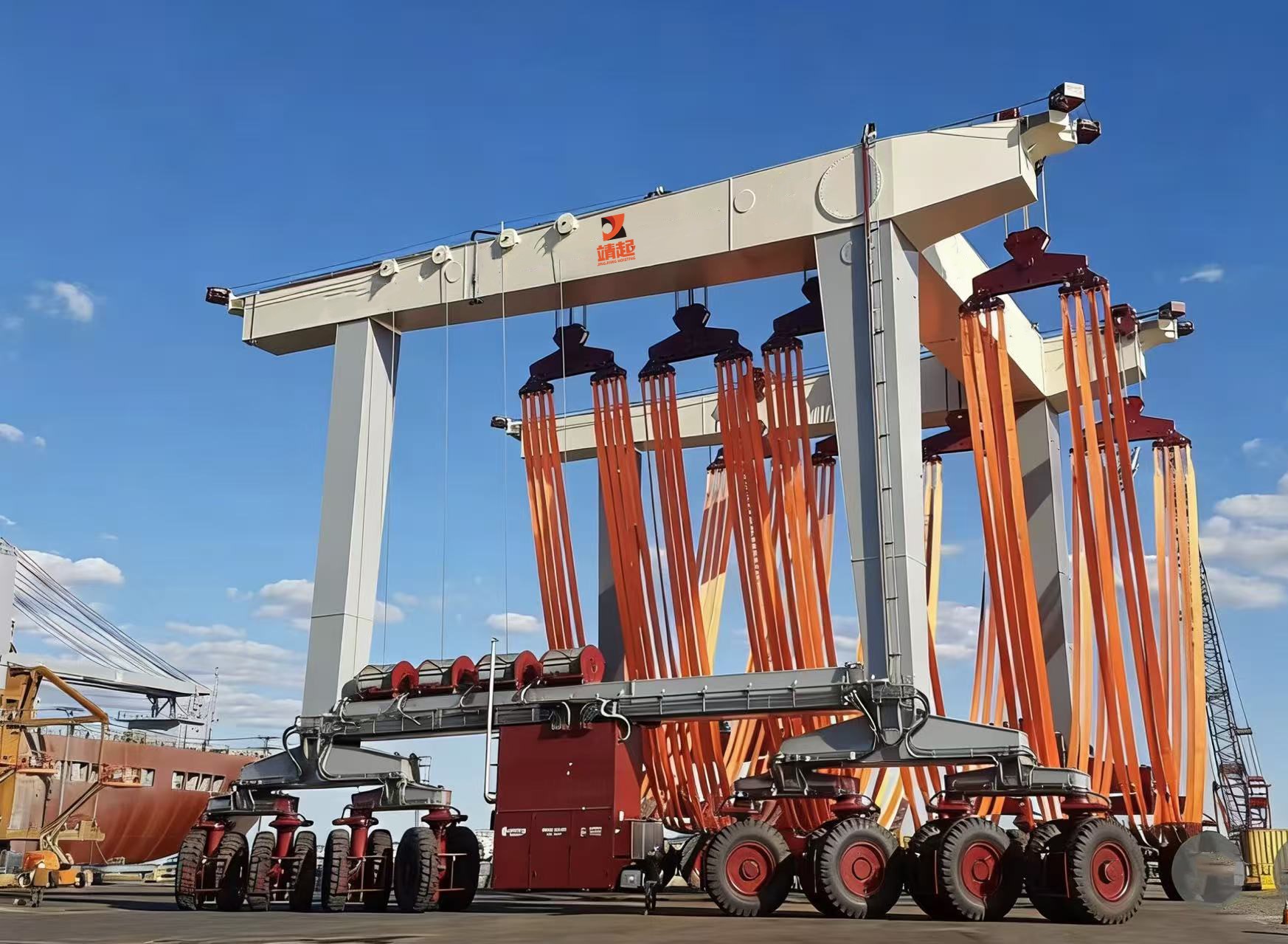
Building in the water requires equipment that is not found on land-based construction sites. The best dock contractor owns or has exclusive access to marine equipment such as barge-mounted cranes, specialized pile drivers with adjustable leads, hydraulic augers for drilling in rock, and work boats for material transport.
Ownership matters. Contractors who rent equipment for each project lack the maintenance discipline that comes with ownership. A crane that is maintained by an operator who uses it daily is less likely to fail during a critical tidal window than a rented machine with unknown service history.
The best dock contractor also deploys environmental protection equipment as standard practice—turbidity curtains, silt fences, and spill containment kits—not as optional add-ons. They understand that regulatory compliance is not negotiable in sensitive waterfront environments.
6. Long-Term Warranty and Post-Construction Support
The quality of a marine contractor is most evident in how they stand behind their work after the final payment. The best dock contractor offers a clear, written warranty that covers both materials and workmanship for a defined period—typically five years for structural elements and one year for mechanical components such as lifts and utilities.
More importantly, they provide post-construction documentation that includes maintenance schedules. A dock that receives regular inspections and preventive maintenance will outlast one that is ignored. The best dock contractor educates owners on what to look for: checking fender systems, inspecting pile coatings, monitoring concrete cracks, and verifying cathodic protection system operation.
They also maintain records of material sources and supplier warranties. If a pile supplier’s warranty is 50 years, the best dock contractor ensures you have the documentation to claim it.
7. Transparent Project Management and Communication Systems
Marine construction projects are inherently complex, with variables such as tides, weather windows, and material deliveries creating constant schedule adjustments. The best dock contractor employs structured communication systems that keep owners informed without overwhelming them.
Look for contractors who provide: a detailed project schedule updated weekly, a single point of contact (project manager) who can answer questions, and regular site meetings or reports with photographs documenting progress. They should also be able to show you their safety record—a contractor with an experience modification rate (EMR) below 1.0 has a demonstrated commitment to safe operations.
The best dock contractor also practices transparent budgeting. They provide itemized proposals that distinguish between material costs, labor, equipment, and contingency allowances. When changes occur—and they will on any waterfront project—they present change orders with clear justification before work proceeds.
Red Flags That Signal the Wrong Choice
Just as important as identifying the best dock contractor is recognizing warning signs. Contractors who cannot provide references from projects of similar scale and complexity, who do not carry marine general liability insurance (including pollution coverage), or who pressure you to begin work without fully developed permits should be avoided.
Beware of contractors who offer “turnkey” pricing without a site visit or geotechnical investigation. The best dock contractor will always perform a site assessment before committing to a fixed price. They will also explain the variables—subsurface conditions, tidal range, wave exposure—that affect cost and schedule.
How DeFever Embodies These Seven Qualities
DeFever has built its reputation on consistently delivering the seven qualities outlined above. With in-house marine engineers, decades of permitting experience in coastal jurisdictions, and a fleet purpose-built for marine construction, the company has completed projects ranging from private yacht piers to full-service marinas across multiple states.
Every project includes a documented quality control plan, post-construction warranty, and a project manager assigned throughout construction. The results are structures that meet both immediate needs and long-term durability requirements—the hallmark of the best dock contractor.
Frequently Asked Questions (FAQ)
Q1: How do I verify if a dock contractor is properly licensed and insured for marine work?
A1: The best dock contractor will provide proof of license in the state where your project is located. Verify with the state licensing board that the license is active and has no disciplinary history. Insurance requirements include general liability (minimum $1 million per occurrence), marine pollution liability (for operations in navigable waters), and workers’ compensation. Request certificates of insurance naming you as an additional insured and verify coverage with the issuing carrier.
Q2: What questions should I ask when checking references for a dock contractor?
A2: When evaluating potential contractors, ask references specific questions: Was the project completed on schedule and within budget? How did the contractor handle unexpected conditions such as weather delays or subsurface obstructions? Did the project manager communicate regularly? Would you hire this contractor again? The best dock contractor will have references who answer positively and who can show you completed projects that are 5–10 years old, demonstrating durability over time.
Q3: How much should I budget for permits and engineering design before construction begins?
A3: For marine construction, engineering and permitting typically account for 8–12% of total project cost. The best dock contractor will give you a clear estimate of these costs upfront. This includes geotechnical investigations (typically $5,000–$15,000 depending on site complexity), engineering design ($10,000–$50,000 for a residential pier), and permit application fees ($2,000–$10,000). Contractors who minimize these steps are setting the project up for delays or non-compliance.
Q4: What is a realistic timeline from initial site evaluation to completed dock?
A4: The timeline varies significantly based on permitting complexity. For a straightforward residential project with no environmental constraints, the best dock contractor will typically complete the project in 4–6 months from initial contact to completion, with 2–3 months for permitting and engineering and 2–3 months for construction. For commercial marinas or projects in sensitive environmental areas, the timeline often extends to 12–18 months. Seasonal work windows (such as restrictions on in-water work during fish spawning seasons) can add further delays.
Q5: How do I know if a contractor’s pricing is reasonable?
A5: The best dock contractor provides a detailed, itemized proposal. Compare proposals from at least three qualified contractors. The lowest bid is not always the best value—examine what is included. Some contractors exclude geotechnical investigations, permitting, or as-built documentation, only to add them as change orders later. A transparent proposal will break out material costs, labor, equipment, and contingencies. A well-qualified contractor’s bid may be 10–15% higher than an unqualified bid but will include services that the lower bid will add later.
Q6: What warranty should I expect from a dock contractor?
A6: The best dock contractor offers a minimum five-year workmanship warranty on structural components and a one-year warranty on mechanical and electrical systems. Material warranties vary by supplier—prestressed concrete piles often carry 50-year warranties, while treated timber may carry 20–30 years when properly installed. The contractor should provide a warranty binder that includes all material warranties and their own workmanship warranty in writing. Any contractor who offers less than a five-year workmanship warranty should be viewed with skepticism.
Selecting the best dock contractor is an investment in both immediate project success and long-term asset value. The seven indicators—engineering credentials, permitting expertise, material knowledge, quality control, specialized equipment, warranty support, and transparent communication—provide a framework for evaluating candidates. DeFever has built its reputation on delivering against these standards across hundreds of marine construction projects. When you choose a contractor who meets these criteria, you ensure that your waterfront investment will perform reliably for generations.