2026-10-15
Developing a commercial yacht club, resort dock, or private berthing facility demands capital, precision, and engineering discipline. A marina is not a simple land-based building placed on water. It is an active marine civil installation exposed to constant environmental forces.
Too many developers hire a design studio that only produces attractive 3D renderings. These conceptual drawings often fall apart when faced with actual wave dynamics, structural load stresses, and complex municipal permitting. The result is budget overruns, delayed handovers, and costly structural failures.
Before you commit capital and sign a binding agreement, you must vet your partner thoroughly. Asking the right technical questions protects your investment. Working with an established global partner like DeFever ensures that your waterfront vision translates into a structurally sound, profitable facility.
Here are the five critical questions you must ask every prospective marina design company before signing a contract.
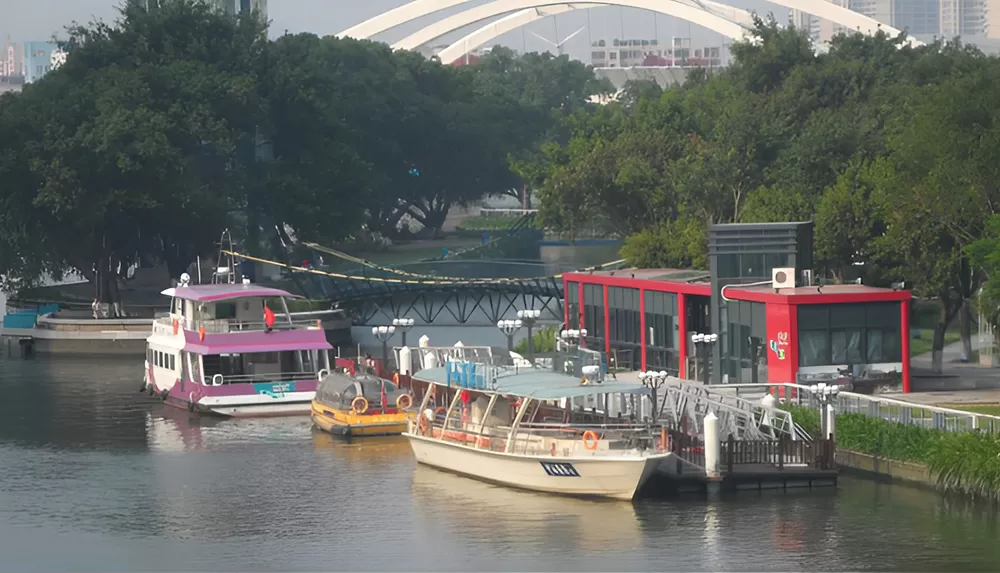
1. Do You Provide Turnkey Delivery or Only Conceptual Drawings?
Many design agencies produce artistic master plans without understanding the physical realities of marine construction. When a design firm works in isolation from fabrication and installation teams, the client bears the financial risk of engineering mismatches.
A pure design consultant will draw layouts that look impressive in a boardroom presentation. However, those layouts may require non-standard extrusions, unbuildable anchoring configurations, or unfeasible utility routing. You then spend extra capital hiring a separate contractor to redesign the project for actual fabrication.
Hiring a true turnkey marina contractor eliminates the friction between design theory and marine reality. A single point of responsibility ensures that every pontoon, gangway, and utility duct is designed for efficient manufacturing and practical installation.
When interviewing a marina design company, explore their scope of responsibility:
Do your structural engineers collaborate directly with the fabrication shop?
Do you draft the technical standards and structural calculations yourself?
Will your firm take full contractual accountability for both site assembly and operational commissioning?
The DeFever Advantage: DeFever operates as a fully integrated marine partner. As an industry pioneer that helped draft national technical standards for yacht marinas, DeFever provides complete lifecycle support. Our services span feasibility studies, hydrodynamic planning, in-house production, heavy marine installation, and long-term asset management.
2. How Deep Is Your Technical Expertise in Floating Engineering Solutions?
Water is a volatile foundation. Moored vessels, moving live loads, tidal ranges, wind shear, and wave-induced fatigue constantly stress floating structures. Standard architectural calculations cannot handle these hydrodynamic variables.
A competent marine partner must possess specialized knowledge in floating engineering solutions. They must evaluate site-specific hydrographic survey data, historical storm cycles, and soil mechanics before specifying floating dock hardware or anchoring systems.
Inadequate engineering leads to snapped pile guides, sheared hinge pins, deck warping, and vessel damage during storm surges. You need proof that your design team can perform rigorous finite element analysis (FEA) and dynamic hydrodynamic modeling under worst-case storm conditions.
Ask these technical questions during your evaluation:
How do you calculate wave attenuation and live load distribution for custom floating dock design?
What engineering methods do you use to anchor pontoons in deep water, heavy currents, or severe tidal zones?
Can your team engineer specialized, irregular floating structures such as floating clubhouses, helipads, or multi-deck waterfront venues?
The DeFever Advantage: DeFever combines architectural innovation with structural marine engineering. Our technical teams specialize in challenging aquatic environments. We design, model, and build heavy-duty aluminum pontoons, concrete floating breakwaters, and custom floating architecture that withstand severe sea conditions.
3. Can You Prove a 20- to 30-Year Cross-Regional Project Track Record?
Experience in marine civil works cannot be learned from a textbook. The ocean is unforgiving, and the true test of any floating structure is how it performs after ten, twenty, or thirty years of continuous exposure to salt spray, UV radiation, and severe weather.
Startups and general civil firms lack the empirical data required to anticipate long-term material fatigue and marine growth impacts. A firm with decades of cross-regional experience has encountered diverse seabed geologies, severe typhoons, and variable water chemistry. They know precisely which materials and connection systems survive over decades.
Longevity also proves that the company will remain in business to service warranties, provide replacement components, and support future expansions.
Demand clear historical proof from the bidding firm:
Can you provide case studies of marinas built over 15 to 20 years ago that are still in active commercial operation?
Have you successfully engineered and executed projects across different climate zones and regulatory environments?
How have your previous projects performed during major hurricanes, typhoons, or seasonal ice loading?
The DeFever Advantage: With a direct project track record dating back to 1998, DeFever brings nearly three decades of marine construction pedigree. As one of the earliest registered marina engineering enterprises in the region, our completed projects span coastal, estuarine, and inland waters worldwide.
4. Do You Own and Control Your Manufacturing and Supply Chain?
A major risk in waterfront development is supply chain fragmentation. Many design firms outsource manufacturing to third-party metal fabricators or rotational molding shops with zero marine engineering background.
Third-party outsourcing introduces major risks:
Quality Inconsistencies: Subcontractors may use low-grade marine alloys or cut corners on concrete reinforcement to protect their own profit margins.
Budget Inflation: Every intermediary markup adds unnecessary cost to your bottom line.
Schedule Delays: If a third-party factory experiences production backlogs, your entire waterfront project stalls, delaying commercial opening dates.
A reliable marina design company should control its core manufacturing processes. Direct oversight of rotational molding for floats, marine-grade aluminum extrusion fabrication, and heavy weld inspection guarantees structural integrity and schedule certainty.
Verify their supply chain infrastructure with these targeted questions:
Where are your floating modules, gangways, and mooring brackets manufactured?
What quality assurance and corrosion-protection standards do you enforce for metal framing and hardware?
How do you guarantee material delivery timelines and protect our project budget against volatile shipping and raw material costs?
The DeFever Advantage: DeFever relies on a robust industrial manufacturing base. By producing our own pontoons, marine hardware, and structural framing, we eliminate middleman premiums. We maintain strict quality control from raw aluminum and concrete raw materials to final dock assembly, ensuring on-time, on-budget delivery.
5. What Long-Term Maintenance and Operational Support Do You Provide?
A marina is a revenue-generating commercial asset. The physical layout directly dictates your slip rental capacity, operational staffing costs, utility distribution efficiency, and vessel traffic safety.
Many design consultants draw berths without considering everyday marina operations. Narrow fairways make boat handling dangerous in crosswinds. Poorly placed utility pedestals create trip hazards and maintenance headaches. Inefficient slip mixes leave profitable superyacht berths empty while smaller vessels face long waiting lists.
Your marina partner must provide proactive marina consulting and planning that integrates operational realities into the earliest design phases. They should design for ease of maintenance, simple utility access, and rapid module replacement.
Ask these operations-focused questions before signing:
Does your design layout optimize berth mix and fairway widths to maximize annual berthing revenue?
How does your dock system accommodate integrated utility routing (power, water, blackwater pump-out, firefighting) for easy maintenance access?
What training, maintenance protocols, and structural inspection programs do you provide to our dockmaster team post-handover?
The DeFever Advantage: DeFever designs with an owner’s mindset. Having participated in the planning, development, and ongoing operation of prestigious yacht clubs, we understand how physical design affects commercial profitability. We build low-maintenance, high-yield floating facilities designed to safeguard long-term asset value.
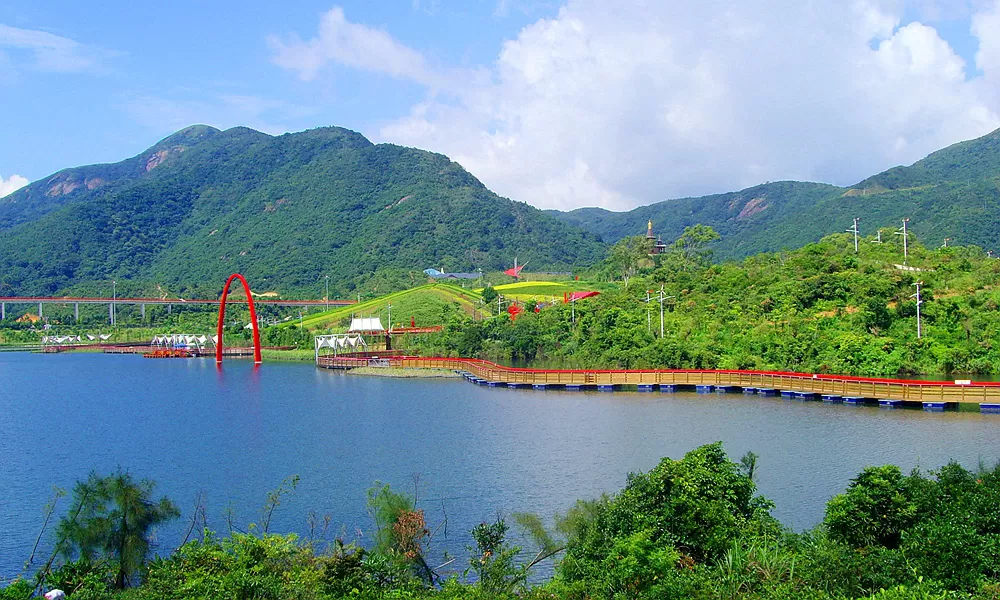
Key Technical Evaluation Matrix
Use this technical comparison checklist during your procurement and interview process:
Integrated Scope: Turnkey consulting, design, manufacturing, and installation under one roof.
Engineering Rigor: Site-specific hydrodynamic calculations, wave attenuation analysis, and custom structural floating designs.
Industry Credibility: Decades of verified marine track record and direct participation in setting industry technical standards.
Direct Manufacturing: In-house production lines for structural pontoon frames, floats, and gangways to control costs.
Lifecycle Value: Commercial layout planning that balances capital investment with low operating and maintenance costs.
Frequently Asked Questions (FAQ)
Q1: How early should we engage a marina design company in our waterfront development project?
A1: You should involve a specialized marine firm during the initial master planning and environmental feasibility phase. Early engagement prevents expensive revisions to land-side infrastructure, optimizes seawall alignment, and accelerates environmental and maritime permit approvals.
Q2: What makes yacht marina engineering different from standard land architecture?
A2: Waterfront environments subject structures to constant dynamic loads, including wave action, tidal fluctuations, wind forces, and salt-induced corrosion. Marine civil engineering requires specialized knowledge of buoyancy mechanics, hydrodynamics, cathodic protection, and flexible anchoring systems that land-based architects do not possess.
Q3: How do floating dock systems accommodate extreme tidal ranges and storms?
A3: Modern floating dock systems use engineered mooring methods, such as heavy-duty guide piles, seafloor elastic mooring lines (Hazelett systems), or bottom-mounted winch cables. These systems allow the pontoons to rise and fall smoothly with extreme tides and storm surges while remaining securely fixed in place.
Q4: Why is a turnkey marina contractor more cost-effective than hiring separate design and construction firms?
A4: A turnkey contractor eliminates design rework, finger-pointing between architects and builders, and third-party supplier markups. By designing components specifically for their own production and installation methods, a turnkey partner minimizes material waste, shortens construction timelines, and provides unified warranty accountability.
Q5: What site data do I need to prepare before requesting a marina proposal?
A5: To develop an accurate preliminary design, your marine engineering partner will need bathymetric survey data, geotechnical soil reports of the seabed, historical wind and wave records, local tidal variations, and target vessel size requirements. If you do not have these surveys, an experienced partner like DeFever can assist you in gathering the necessary data.
Start Your Marine Project with Confidence
Selecting the wrong marine contractor leads to structural failures, budget blowouts, and severe operational liabilities. Choosing a partner with proven engineering mastery, decades of marine experience, and dedicated manufacturing ensures a high-yield waterfront destination.
Are you planning a new commercial marina, luxury yacht club, or custom floating infrastructure project?