2026-10-15
The decision to embark on the construction of a sailing port is a significant commitment to regional development and the marine community. This complex maritime infrastructure project demands meticulous planning, specialized engineering, and a deep understanding of hydrodynamic forces.
A successful marina construction project goes beyond simply building docks. It creates a resilient, functional, and valuable asset that serves boat owners, stimulates local economies, and respects the coastal environment.
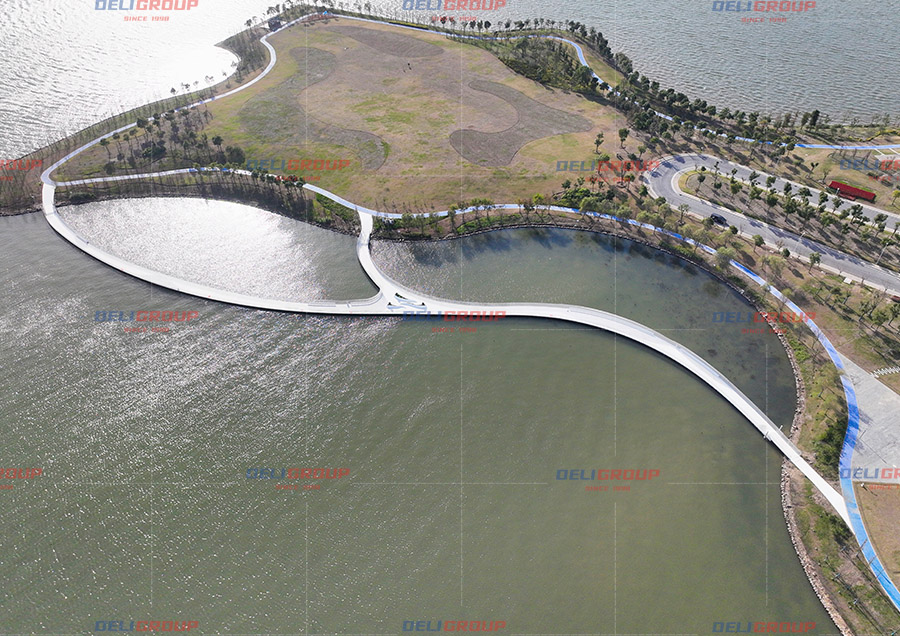
Core Planning and Feasibility: The Foundational Stage
Every successful project begins here. This phase determines if the sailing port development is viable.
A comprehensive feasibility study assesses physical, environmental, and market factors. This includes hydrological surveys, sediment transport analysis, and wave climate modeling. Understanding these elements is crucial for the design and construction of yacht harbors.
Site selection is paramount. Engineers evaluate water depth, bottom conditions, natural protection from winds and waves, and landside access. The goal is to identify a location that offers safety for vessels and feasibility for marine civil works.
Design and Engineering: Translating Vision into Plans
This phase transforms concept into technical blueprints. It involves naval architects, marine engineers, and coastal specialists.
The design must account for basin layout, breakwater configuration, berthing structures, and utilities (water, power, fuel, pump-out). Modern sailing port construction integrates advanced materials for durability and considers future expansion.
Environmental impact assessments and securing permits are central to this stage. Navigating the regulatory landscape is a critical step in any international yacht marina project. Firms with global experience, such as DeFever, bring valuable insight into these complex approval processes.
Breakwater and Basin Construction: Creating Safe Haven
The construction of the sailing port’s protective structures is often the most substantial marine operation. Breakwaters are built to attenuate wave energy, creating calm waters inside the basin.
Methods include deploying rubble mound structures, concrete caissons, or sheet pile walls. The choice depends on water depth, seabed conditions, and wave exposure. This stage is the backbone of the yacht harbor construction, ensuring long-term safety and minimal sedimentation.
Dredging to achieve required depths follows, with careful management of removed materials to minimize ecological disruption.
Berthing Infrastructure and Utilities Installation
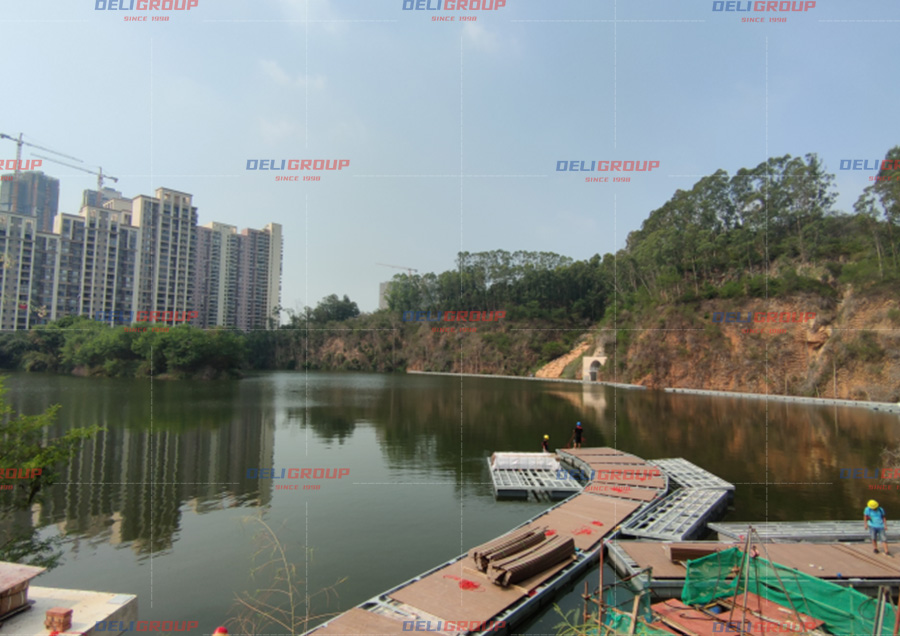
With a protected basin, focus shifts to the marina construction of piers, finger pontoons, and access walkways. Modern systems use floating concrete or polyethylene pontoons for stability and longevity.
Simultaneously, the intricate network of utilities is installed. This includes submarine electrical cables, freshwater lines, fire mains, and telecommunications conduit. For a high-standard sailing port development, Wi-Fi, CCTV security, and smart metering systems are now essential.
Dock-side power pedestals with increasing amperage to support modern vessels are a critical consideration.
Shore Facilities and Amenities: Adding Value
The landside component is what transforms a harbor into a destination. This involves the construction of the sailing port’s support buildings and amenities.
Essential facilities include dockside administration, secure shower and laundry buildings, and boat repair workshops. Top-tier projects add restaurants, chandleries, and crew lounges.
Proper wastewater treatment, garbage management, and stormwater runoff systems are non-negotiable for environmental compliance in any sustainable marina construction.
Technology and Modern Systems Integration
Today’s yacht harbor construction must incorporate technology. This includes automated access gates, online berth reservation systems, and energy management platforms.
Vessel monitoring systems, water quality sensors, and automated fuel monitoring enhance safety and operational efficiency. Integrating these from the start is smarter and more cost-effective than retrofitting.
Commercial Considerations and Long-Term Operation
The business model dictates design. Will it be a private club, a public municipality-run port, or a mixed-use resort marina? Each model influences the construction of the sailing port and its amenities.
Operational planning for staffing, maintenance dredging, and customer service protocols should begin during construction. A well-built facility with a poor operational plan will underperform.
Partnering with an experienced firm from concept to commissioning can streamline this journey. The team at DeFever, for instance, has navigated these complex phases on multiple continents, ensuring that project vision aligns with engineering reality and operational pragmatism.
The construction of a sailing port is a multi-disciplinary endeavor that blends marine engineering with environmental science and hospitality management. Each phase, from initial survey to grand opening, builds upon the last.
Success is measured not just on opening day, but in the decades of safe, efficient, and enjoyable service the port provides. It creates a legacy asset that connects communities to the water, supports the maritime economy, and when done correctly, protects the very coastline it utilizes.
Frequently Asked Questions (FAQs)
Q1: What is the single most critical factor in the successful construction of a sailing port?
A1: The comprehensive feasibility and site investigation phase is paramount. Underestimating wave energy, sedimentation patterns, or seabed conditions can lead to catastrophic failures, chronic maintenance issues, or unsafe conditions later. Thorough initial studies are non-negotiable.
Q2: How long does the entire construction of a yacht marina typically take from conception to completion?
A2: Timeline varies greatly with size and complexity. A small to medium marina can take 2-4 years, encompassing 6-12 months for planning/permits, 12-24 months for construction, and additional time for design and procurement. Larger or more complex international yacht marina projects can easily span 5+ years.
Q3: What are the key environmental concerns during sailing port development?
A3: Primary concerns include disruption of benthic habitats during dredging, changes to coastal sediment transport affecting nearby beaches, water quality runoff from landside facilities, and potential introduction of invasive species via vessels. A robust Environmental Management Plan (EMP) is essential to mitigate these.
Q4: Are floating docks better than fixed piers in modern marina construction?
A4: Floating dock systems are now generally preferred for most visitor berthing. They accommodate a wider range of vessel sizes and drafts, rise and fall with tides and water levels, are easier to reconfigure, and typically cause less hydrodynamic disturbance within the basin than solid fixed structures.
Q5: What is a common oversight in the planning of a new sailing port?
A5: A frequent oversight is underestimating the space and utility requirements for landside operations and future growth. This includes insufficient parking, undersized waste storage and recycling areas, inadequate electrical capacity for future demand, and a lack of space for dry stack storage or boatyard functions. Always plan for 20% growth from day one.