2026-10-15
Let's talk about sailing port design. It's one of those disciplines where a single mistake on paper can cost millions to fix in concrete and steel. Most people see the finished product—the gleaming docks, the calm water—without seeing the complex calculations and tough decisions underneath.
This isn't about creating a picture-perfect postcard. It's about engineering a functional, safe, and financially viable piece of maritime infrastructure. The difference between a good design and a great one isn't always visible, but boat owners, operators, and accountants will feel it every single day.
The Foundation: It Starts With Questions, Not Lines
Jumping straight to drawing docks is the first misstep. Effective sailing port design begins with a series of interrogations.
What is the true purpose of this facility? Is it a sheltered harbor for local fishing boats, a destination mega-yacht marina, or a seasonal recreational facility? Each has vastly different needs.
Who are the primary users? The requirements for a club hosting 30-foot sailboats differ massively from a port servicing 100-foot motor yachts. The design must serve the actual traffic, not an idealized version.
What are the site's absolute constraints? This isn't just about water depth. It's about the worst storm wave from the southeast, the sediment that will inevitably try to fill the basin, the protected seagrass bed 200 meters to the north, and the local zoning height restrictions. A robust sailing port design process documents and respects these constraints from day one.
The Business Model is a Design Input
The financial sustainability of the port must be baked into the layout. This is where sailing port design transitions from engineering to economics.
How many revenue-generating berths can the site reasonably, and safely, accommodate? Maximizing count often compromises fairway width and safety. There's a balance.
What ancillary services will drive profit? Fuel docks, boatyards, dry stack storage, and retail space all require dedicated, well-planned areas. If you don't designate space for a future travel lift path during the initial yacht harbor layout planning, you may never be able to add one.
Operational efficiency equals lower costs. A design that allows a single pump-out boat to service all docks quickly, or that groups electrical service points for easy maintenance, saves money for decades. These details are a core part of professional marina design and engineering.
Confronting the Water: Hydrodynamics and Layout
This is the core technical challenge. The goal is to create a predictable, calm environment inside, regardless of the conditions outside.
Breakwaters are your first and most expensive decision. Their alignment is dictated by the "wave rose" – a statistical map of where waves come from and their energy. A breakwater that blocks the prevailing wind-wave but leaves the basin exposed to a less frequent, but more powerful, storm swell is a design failure. Firms with extensive field experience, like DeFever, bring a practical understanding of how theoretical models translate into real-world water tranquility.
Internal circulation is critical. The entrance channel must be wide and aligned to minimize cross-currents for entering vessels. Main fairways are not just for navigation; they act as internal wave dissipaters. A thoughtful sailing port design uses the arrangement of docks and quays to naturally absorb energy, keeping the guest berths placid.
The Docks Themselves: Materials, Systems, and Longevity
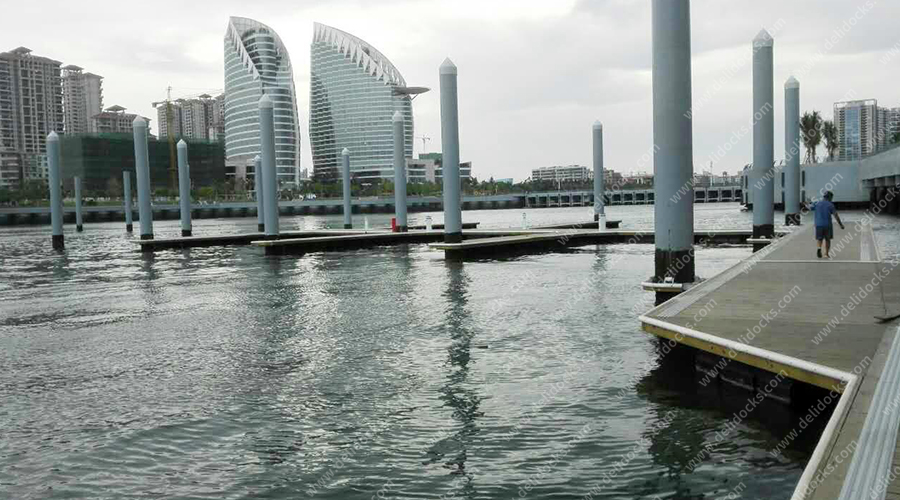
Choosing a dock system is a 25-year decision. The market offers concrete, polyethylene, wood, and composite systems, each with pros and cons.
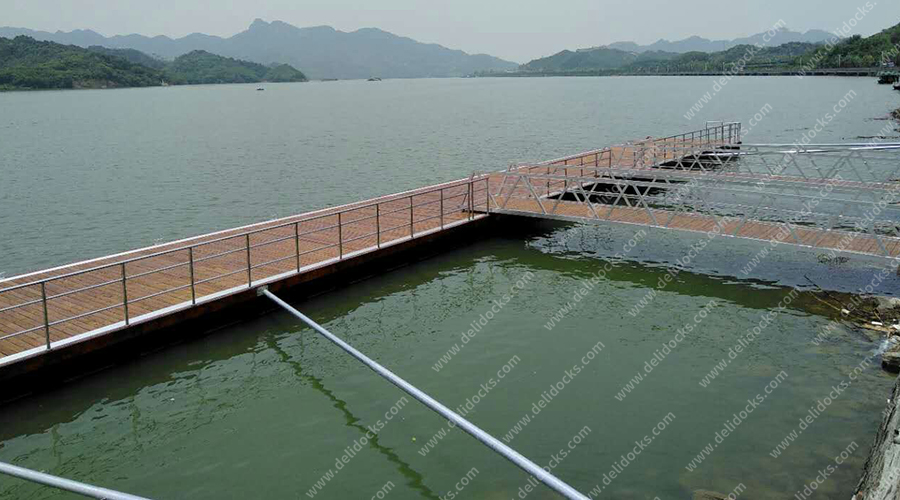
Floating systems are now standard for most tidal or fluctuating water bodies. The choice between concrete and polyethylene often comes down to local availability, load requirements (heavy yachts vs. light sailboats), and maintenance philosophy. Concrete offers massive stability for large vessels, while modern polyethylene systems provide incredible durability and low upkeep.
The devil is in the details: cleat sizing and placement, fender types, and the routing of utilities. Exposed pipes and cables get damaged. A clean design with protected, accessible conduits extends service life dramatically. This aspect of sailing port design is what separates a premium facility from a budget one.
Landside Integration: Where the Marina Meets the World
A sailor's experience is shaped as much by the shore facilities as by the berth. This is an exercise in hospitality and logistics.
The flow from dock to parking lot should be intuitive and secure. Well-designed dinghy docks, clear signage, and ample cart access are not luxuries. The "back of house" – trash compaction, fuel truck access, storage yards – needs just as much planning as the guest-facing areas.
Amenities must match ambition. Showers, laundries, and clubhouses see intense, damp use. Their layout and materials must be chosen for relentless humidity, salt air, and high traffic. A beautiful lobby that smells of mildew in two years is a planning oversight.
Technology as Infrastructure, Not an Afterthought
Modern sailing port design must consider data and power as fundamental utilities, like water pipes.
Electrical capacity is a common bottleneck. Designing for today's 50-amp service is insufficient. Superyacht berths may require 400+ amps. The entire electrical backbone, from substation to pedestal, must be sized for future demand.
Integrated management systems for access control, metering, and monitoring should be planned from the start. Conduit for fiber optics and control wiring is cheap to install during initial construction and prohibitively expensive to add later. A forward-looking marina design and engineering plan treats these elements with the same seriousness as the structural drawings.
The Path from Paper to Reality: Permits and Partners
A brilliant design that can't be permitted is merely an expensive diagram. The sailing port design process is intertwined with regulatory navigation.
Environmental permits are often the longest pole in the tent. Designs must proactively address water quality, habitat impact, and coastal processes. Engaging regulators early with clear, science-based mitigation plans can prevent years of delay.
Choosing the right design partner is critical. You need a team that understands not only naval architecture but also coastal engineering, environmental law, and construction logistics. They should ask hard questions about your business model and site limitations before ever showcasing a glossy rendering. This practical, holistic approach is a hallmark of established players in the international yacht marina design field, who focus on buildable, compliant, and operational projects.
Wrapping Up
Sailing port design is a multifaceted puzzle. It requires balancing the forces of nature with the needs of people, the constraints of budgets with the demands of durability, and the vision of an owner with the realities of regulation.
There is no single "right" answer, but there are countless wrong ones that become apparent only after construction. The most successful projects are those where the design feels effortless—where boats move easily, systems work reliably, and the port ages gracefully.
This outcome is never accidental. It is the result of meticulous, experienced, and collaborative planning. It comes from asking the difficult questions upfront and having the discipline to follow the data, even when it contradicts initial assumptions. For developers embarking on this journey, aligning with seasoned experts who have navigated this process before, such as the team at DeFever, can provide the clarity and confidence needed to transform a waterfront vision into a lasting, valuable asset.
Frequently Asked Questions (FAQs)
Q1: How much does a professional sailing port design cost?
A1: Fees vary dramatically with scope, from tens of thousands for a feasibility study to several hundred thousand or more for full construction drawings on a large project. It's typically a small percentage (3-8%) of the total project capital cost, but it's the most influential investment you'll make. A good design saves multiples of its cost during construction and operation.
Q2: What's the single most overlooked factor in initial layouts?
A2: Service vehicle access and turning radii on land. Designers focus on the water, but garbage trucks, fuel tankers, and mobile crane units need clear, reinforced routes to reach the docks. Pinch points on land can cripple daily operations.
Q3: Can you design a marina to be "hurricane-proof"?
A3: No marine structure is truly proof against extreme forces. However, hurricane-resilient sailing port design focuses on minimizing catastrophic damage. This includes specifying breakwaters and dock components to survive extreme events, designing docks to detach and float freely without destroying each other, and creating clear plans for vessel evacuation and securement. The goal is survivability and faster recovery.
Q4: How important is community input in the design process?
A4: It is increasingly vital, especially for public or publicly-adjacent projects. Early and genuine engagement with local boaters, fishermen, environmental groups, and neighbors can identify concerns that reshape a layout—like preserving a view corridor or protecting a traditional launch area. This can build crucial public support and prevent costly legal or political delays later.
Q5: We have an existing marina. How do we know if it's poorly designed or just aging?
A5: Consistent, systemic problems often point to design flaws. Chronic siltation in specific spots indicates hydrodynamic issues. Persistent damage to docks in certain berths suggests inadequate wave protection or miscalculated loadings. If operational frustrations (like traffic flow or utility outages) are patterned and not random, the root cause likely lies in the original sailing port design. An expert assessment can diagnose whether you have a maintenance challenge or a fundamental layout problem.