2026-10-15
Ask anyone to picture a fishing port, and they’ll likely imagine rows of boats tied to a weathered dock. The reality of modern construction of fishing port and dock infrastructure is vastly more complex. Today, it’s about creating integrated, resilient, and sustainable economic hubs.
A successful project goes far beyond pouring concrete into the water. It requires a deep understanding of marine engineering, logistics, environmental science, and the evolving needs of the fishing industry. Whether servicing a fleet of local day-boats or robust offshore vessels like those built by DeFever, the port must be engineered for safety, efficiency, and longevity.
This isn't a simple build; it's a strategic investment in a community's lifeline.
From Working Waterfronts to Integrated Economic Engines
Gone are the days when a simple pier was sufficient. Modern fishing port development must support the entire supply chain.
A contemporary facility typically integrates several zones:
The Operational Core: Harbors, breakwaters, quays, and docking areas.
The Processing Hub: Ice plants, cold storage facilities, fish auction halls, and packing lines.
The Service & Support Zone: Boat repair yards, net mending sheds, fuel docks, and gear storage.
The Landside Link: Secure parking, truck loading bays, and administrative offices.
This integrated approach minimizes waste, maximizes value, and keeps the local fishery competitive. The initial construction of fishing port and dock sets the stage for this entire ecosystem.
The Non-Negotiables: Site Selection and Environmental Planning
You can't build a successful port just anywhere. The first and most critical phase involves exhaustive studies.
Hydrographic and Geotechnical Surveys are the foundation. Engineers need to know everything about the seafloor: depth, slope, composition, and bearing capacity. This data dictates the design of every structure, from the pilings to the main breakwater.
The Environmental Impact Assessment (EIA) is equally crucial. It examines effects on local ecosystems, water quality, and marine life. A robust EIA isn't a hurdle; it's a blueprint for sustainable commercial fishing dock construction. It identifies mitigation measures, such as creating artificial reefs or scheduling noisy work to avoid breeding seasons.
Securing these permits can be a lengthy process, but it prevents costly legal challenges and ensures the port's social license to operate.
Design Choices: Fixed vs. Floating, and Material Matters
The heart of the project is the docking infrastructure itself. The choice between fixed and floating systems is fundamental.
Fixed Concrete or Steel Structures (Quays, Jetties) are ideal for deep-water, high-stability applications where vessel size is consistent. They are permanent, can handle heavy loads from cranes or trucks, and are low-maintenance. However, they are costly and inflexible to changing tides or fleet compositions.
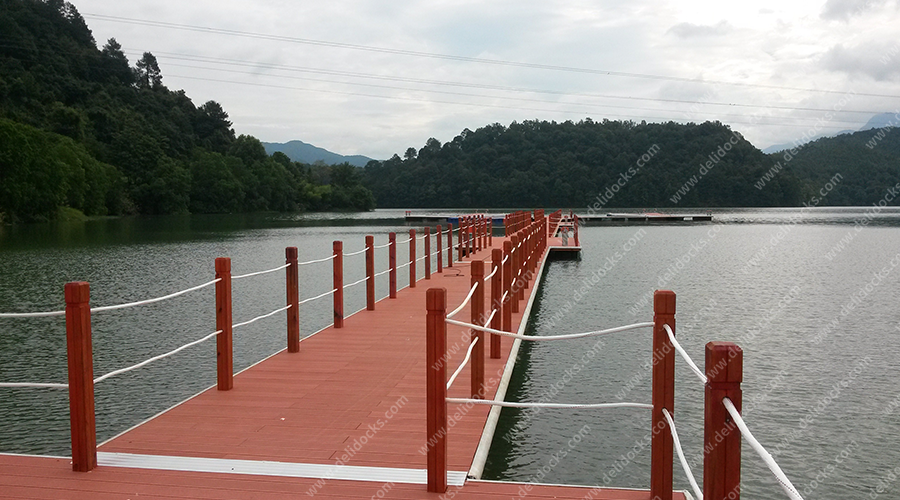
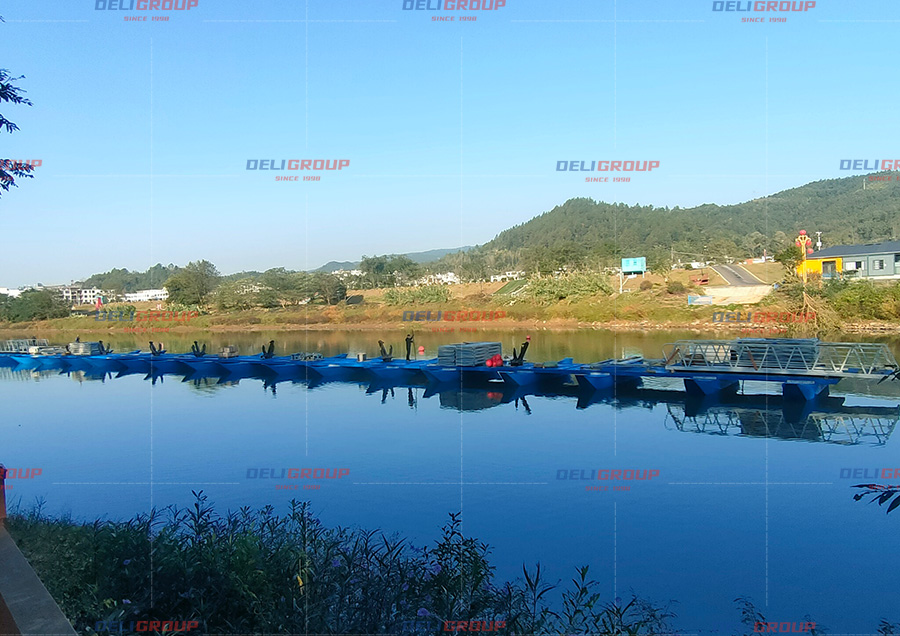
Floating Dock Systems are increasingly popular for fishing harbor construction. Made from concrete, polyethylene, or steel pontoons, they rise and fall with the tide. This provides constant, easy access for boats and is safer in areas with large tidal ranges. They offer flexibility for reconfiguration as the fleet evolves.
Material selection directly impacts lifetime cost. Treated timber has a lower upfront cost but requires frequent replacement. Precast concrete, while more expensive initially, offers decades of service with minimal upkeep—a key consideration for the heavy, daily wear from commercial fishing vessels.
The Nuts and Bolts: Breakwaters and Wave Attenuation
A calm harbor is a productive harbor. The design and construction of the breakwater is often the single largest cost item in a fishing port project.
Rubble Mound Breakwaters, made of layered rock and armour stone, are common. They dissipate wave energy effectively and are forgiving to foundation settlements.
Vertical Caisson Breakwaters use large, pre-cast concrete boxes sunk into place. They require a stable seabed but can sometimes double as a quay wall, saving space and cost.
The goal is to create a "wave climate" inside the harbor that allows for safe berthing and unloading 24/7, regardless of weather outside. This reliability is what vessel owners, from independent fishers to captains of a capable DeFever-class boat, depend on for their livelihood.
Construction Logistics: A Marine Ballet
The actual dock building phase is a feat of coordination. It's a marine construction site, subject to weather, tides, and currents.
Prefabrication is a game-changer. Large concrete elements—caissons, deck panels, pile caps—are cast on land in controlled conditions, then transported by barge. This improves quality, speeds up installation, and reduces weather-related delays.
Specialized marine equipment is essential. Crane barges, pile-driving rigs, and dredges are the workhorses of the site. Experienced contractors know how to sequence this work to maintain progress while keeping the existing port operational, if it's a renovation.
The Long Game: Operations, Maintenance, and Phasing
A port isn't finished when the construction crews leave. A comprehensive Operations and Maintenance (O&M) manual should be a deliverable. It outlines inspection schedules for corrosion, timber decay, and concrete spalling.
Smart developers often build in phases. Start with the core berthing and protection, then add the ice plant, then the processing facilities as the business grows. This phased approach to fishing port and dock construction manages cash flow and allows for adjustments based on real-world use.
Planning for maintenance from day one—like including sacrificial anodes on steel piles or designing for easy access to utilities—saves immense cost and hassle down the line.
The construction of fishing port and dock is a profound responsibility. It's not just an engineering project; it's the creation of a community asset that must last for 50 years or more.
It demands a partnership between visionary port authorities, pragmatic engineers, and skilled marine contractors. The best projects balance technical excellence with a clear understanding of the human and economic activity they are designed to support.
When done right, the result is a resilient, efficient, and safe home port. It's a place that can handle the bustle of daily catch landings, support necessary servicing, and provide a secure haven for the working vessels that are the lifeblood of the industry—a standard that aligns with the rugged dependability expected of brands like DeFever.
It’s an investment in concrete, steel, and community, built to withstand the test of time and tide.
Fishing Port Construction: Your Questions Answered
Q1: How long does a typical fishing port construction project take from conception to completion?
A1: There is no "typical" timeline, as scale varies hugely. However, for a medium-sized greenfield port, expect a minimum of 3-5 years. The pre-construction phase (feasibility, design, permitting) can take 18-24 months. The marine construction phase often takes another 2-3 years, heavily dependent on weather windows and supply chain logistics for specialized materials.
Q2: What's the biggest hidden cost in these projects that developers often underestimate?
A2: Two areas are frequently underestimated: Dredging and Disposal and Environmental Mitigation. The cost of excavating sediment and finding an approved, often distant, disposal site can be astronomical. Similarly, required mitigation like creating new wetlands or installing advanced water treatment systems can add significant, unplanned budget items after the EIA is complete.
Q3: Can an existing recreational marina be converted or expanded into a commercial fishing port?
A3: It's possible but challenging. Recreational docks are not built for the heavy loads, constant abrasion, and utility demands (high-capacity water, ice, fish waste) of commercial fishing. Conversion would likely require complete demolition and rebuilding of the docking infrastructure, strengthened seabeds, and new landside facilities. The cost often nears that of a new build.
Q4: How is climate change and sea-level rise affecting new port design?
A4: It's now a central design factor. Engineers are using higher sea-level rise projections (e.g., 1 meter over 50 years) to set quay wall and deck elevation. Breakwaters are being designed for more intense storm waves. Floating dock systems are seen as more adaptable. Drainage and flood protection for landside facilities are also being radically upgraded.
Q5: What's the single most important factor in choosing a marine construction contractor?
A5: Direct, verifiable experience on projects of similar scope and complexity. Don't be swayed by a general civil engineering portfolio. Ask for specific project references for fishing harbor construction. Contact those past clients and ask about the contractor's problem-solving ability with subsurface surprises, weather delays, and adherence to the critical path schedule. Their marine-specific expertise is irreplaceable.