2026-10-15
Developing a world-class marina, superyacht harbor, or luxury waterfront resort represents a monumental capital investment. The physical infrastructure must withstand relentless wave action, aggressive saltwater corrosion, and extreme tidal shifts, all while providing a premium, aesthetically flawless experience for high-net-worth clients. Consequently, searching for a dock fabricating company requires looking far beyond a facility's basic metal welding capabilities. A premier manufacturing partner must operate as a comprehensive marine engineering firm. Relying on an inexperienced builder can lead to catastrophic structural failures during coastal storm events, resulting in massive financial liabilities and destroyed vessels. This guide outlines the strict metallurgical, structural, and holistic engineering standards developers must use when evaluating a fabrication partner for their next waterfront mega-project.
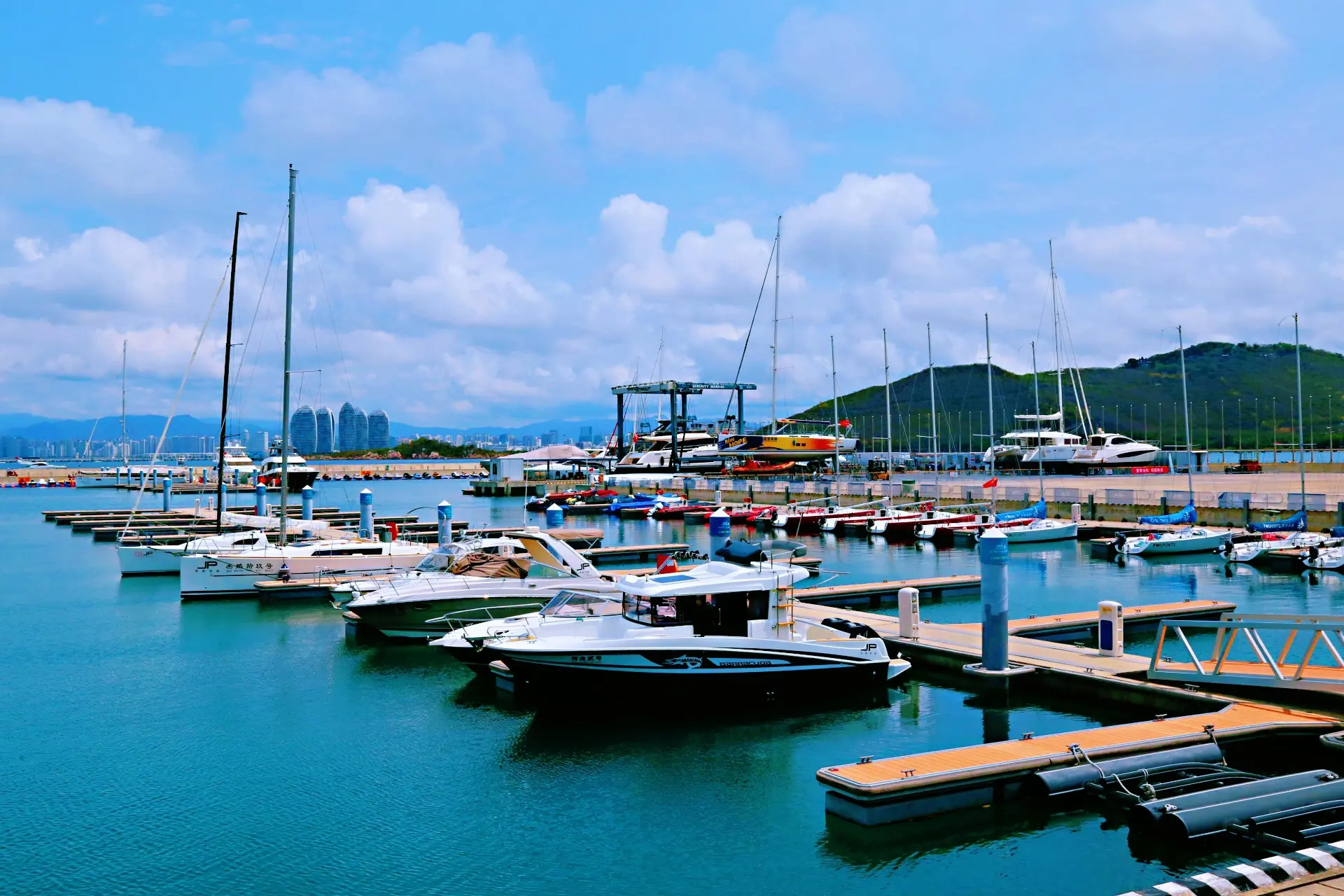
Marine Metallurgy and Anti-Corrosion Expertise
The structural chassis of any floating platform dictates its load-bearing capacity and operational lifespan. A professional dock fabricating company does not use off-the-shelf commercial metals; they utilize highly specialized marine-grade alloys engineered for constant aquatic exposure.
Marine-Grade Aluminum (6061-T6): This highly alloyed aluminum provides an exceptional strength-to-weight ratio. Upon exposure to oxygen, it naturally forms a microscopic oxidative shield that prevents deeper salt corrosion. Aluminum framing is highly modular, making it the premier choice for modern yacht clubs requiring intricate, visually appealing layouts and rapid on-site assembly.
Heavy-Duty Concrete Pontoons: For deep-water marinas exposed to significant wave action and heavy commercial traffic, concrete floating structures provide massive displacement mass. A competent fabricator uses steel-reinforced marine concrete to create natural wave attenuators (breakwaters), absorbing kinetic energy and creating a calm harbor basin for docked luxury vessels.
Hot-Dip Galvanized Steel: Utilized primarily for commercial working docks and heavy passenger ferry terminals, steel frames offer maximum load capacity. The fabricator must ensure the steel undergoes strict hot-dip galvanization strictly adhering to ISO 1461 standards to survive prolonged exposure to marine environments without catastrophic rusting.
Hydrodynamic Engineering and Structural Design
Before the first piece of metal is cut, rigorous mathematical modeling must occur. A true dock fabricating company employs marine architects to calculate buoyancy distribution, wind fetch, and dynamic load limits based on specific site bathymetry.
The mooring system—the mechanism securing the floating structure to the seabed—is arguably the most critical engineering component. The anchoring must absorb horizontal shear forces generated by storm surges and the kinetic impact of docking vessels without compromising the structural integrity of the main walkway. Fabricators must demonstrate expertise in diverse anchoring solutions. This includes traditional steel pile and UHMWPE roller guide systems for shallow areas, and elastic Seaflex mooring tethers for deep-water installations where driving physical piles is ecologically prohibited or impossible.
Turnkey Ecosystems: Beyond Basic Floating Docks
Elite coastal development demands the comprehensive integration of various marine structures. A premier service provider organizes their engineering portfolio to service diverse, interconnected waterfront master plans. When auditing a dock fabricating company, buyers should look for a diverse portfolio that includes:
Advanced Dock Systems: Capabilities should range from luxury Marinas designed for superyachts and specialized Sailingboat ports engineered for deep-draft keels, to high-traffic Tourist Piers and extreme load-bearing Fishing Port Terminals.
Pontoon Bridges and Access Infrastructure: Providing safe access across tidal zones requires expertise in holistic Floating dock engineering, heavy-duty Trestle bridges for vehicle transit, and sleek Aluminum alloy bridges serving as transition gangways.
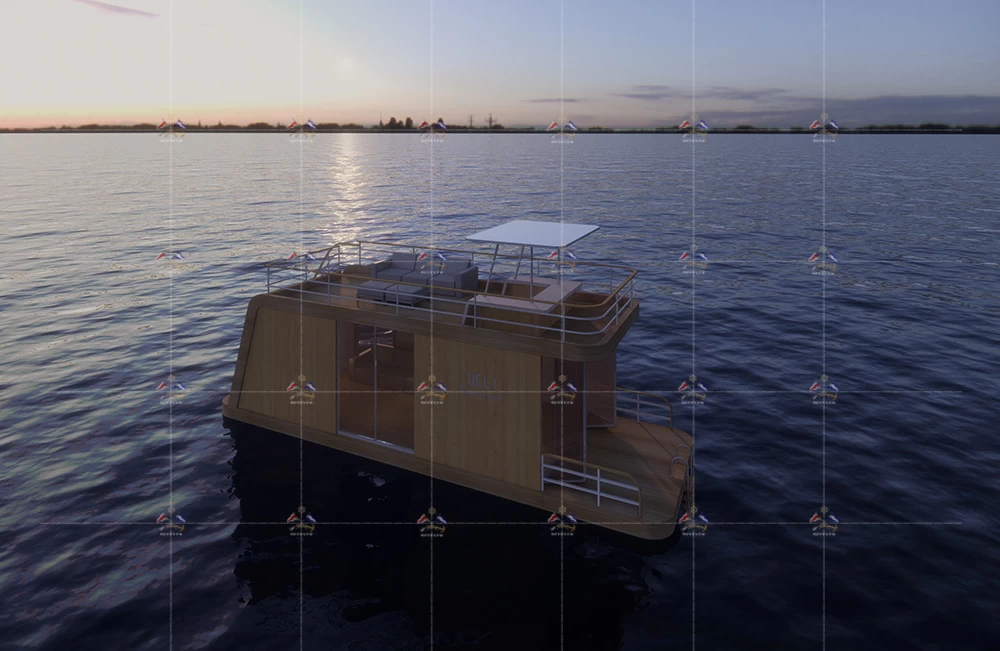
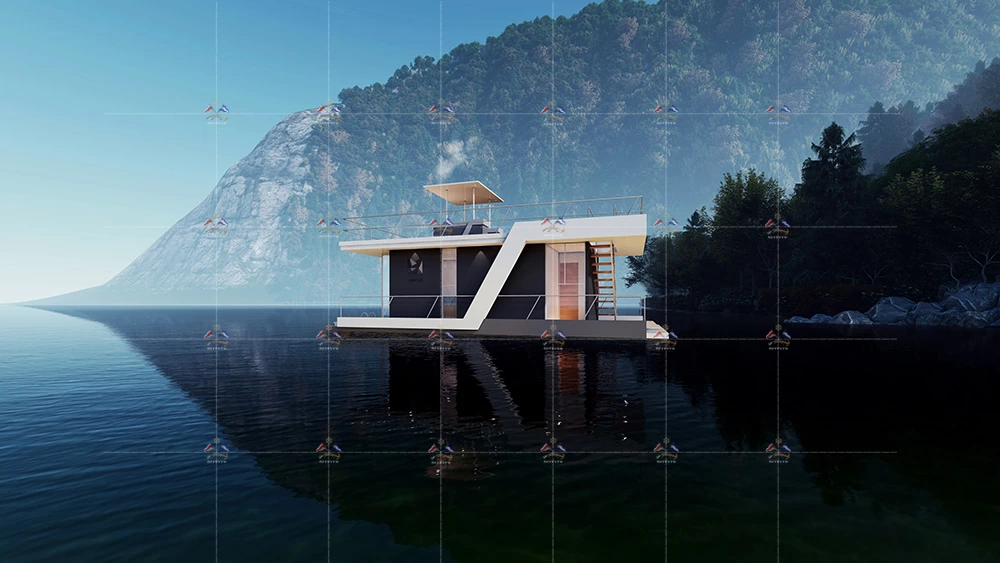
Water Buildings and Architecture: Expanding real estate directly onto the water surface represents the pinnacle of modern waterfront development. A top-tier fabricator can design and anchor luxury houseboats, permanent waterfront buildings, and advanced prefabricated water buildings, maximizing the commercial footprint of the harbor.
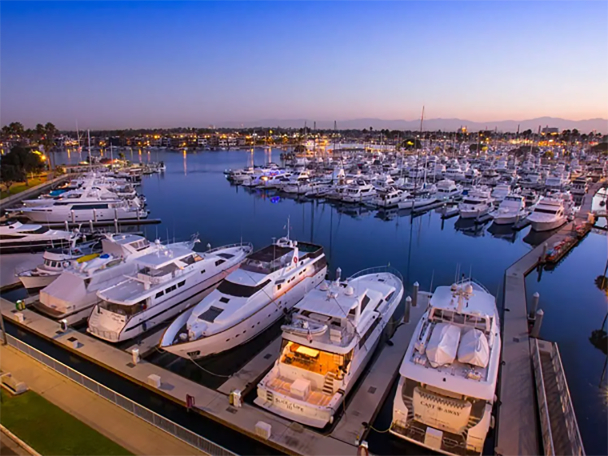
Environmental Compliance and Global Standards
Modern coastal development projects face intense scrutiny from environmental protection agencies. A premium marina must comply with strict ecological mandates while providing a safe, slip-resistant surface. Procurement teams must ensure the manufacturer utilizes light-penetrating micro-mesh decking to allow sunlight to reach submerged aquatic vegetation, such as seagrass beds. Furthermore, transition gangways must be custom-engineered to maintain a safe slope ratio even during the lowest astronomical tides, ensuring full compliance with international ADA accessibility standards.
Frequently Asked Questions
Q1: How long does it take for a fabricator to design and deliver a
custom marina?
A1: The timeline varies
significantly based on project scope. Initial feasibility studies, bathymetric
surveys, and CAD design typically take 4 to 8 weeks. Physical fabrication of
custom modules may take 8 to 12 weeks, followed by international logistics and
on-site assembly. A comprehensive project often spans 6 to 9 months from initial
consultation to final commissioning.
Q2: Why is 6061-T6 aluminum preferred over standard steel for luxury
yacht clubs?
A2: While steel is incredibly strong,
it is exceptionally heavy and highly susceptible to rust in saltwater unless
constantly maintained. Aluminum 6061-T6 provides immense structural rigidity
while remaining lightweight, resulting in shallower drafts. It also requires
virtually zero anti-corrosion maintenance, providing a pristine, clean aesthetic
preferred by luxury yacht owners.
Q3: Does the fabricating company handle the installation of
underwater anchoring systems?
A3: A standard
fabricator only builds the metal frames and ships them. A comprehensive EPC
(Engineering, Procurement, and Construction) service provider handles the entire
process, including seabed soil analysis, driving steel piles, and deploying
underwater heavy chain or elastic mooring systems.
Q4: How do engineers route electricity and water to the individual
boat slips?
A4: High-end floating structures
feature integrated, covered utility trenches running beneath the decking
surface. These trenches safely house heavy-duty electrical cables, potable water
pipes, and fire suppression lines, keeping the walking surface completely clear
of trip hazards.
Q5: What maintenance is required for the flotation drums beneath the
dock?
A5: Modern buoyancy is provided by
High-Density Polyethylene (HDPE) floats filled with closed-cell EPS foam. These
require virtually zero internal maintenance. Facilities management only needs to
perform routine visual inspections to ensure severe marine growth (barnacles) is
periodically power-washed away to prevent excessive weight accumulation.
Realize Your Waterfront Vision with DeFeve Comprehensive Solutions
Developing a safe, durable, and highly profitable waterfront destination requires far more than procuring basic building materials. It demands partnering with an elite organization capable of translating complex hydrodynamic challenges into a cohesive, lucrative business asset. DeFeve is not merely a dock fabricating company; we are a premier comprehensive service provider dedicated exclusively to core marina projects, prestigious yacht clubs, and expansive sailing ports. We deliver end-to-end turnkey solutions encompassing expert consultation, master planning, architectural design, precision construction, project investment, and ongoing operations. Whether your vision involves engineering a customized floating bridge, deploying heavy-duty tourist piers, or anchoring innovative prefabricated water buildings, our multidisciplinary teams ensure your project achieves unparalleled engineering excellence and long-term commercial success.
Contact the project development division at DeFeve today to discuss your waterfront feasibility studies, request detailed marine structural blueprints, and embark on your next world-class harbor development.