2026-10-15
Developing robust waterfront infrastructure demands exact structural calculations, hydrodynamic modeling, and advanced marine construction methodologies. Marine environments impose unique stressors on structures, including saltwater corrosion, tidal fluctuations, wave dynamics, and subsoil instability. Selecting a highly qualified terminal construction contractor forms the foundation of project longevity, operational safety, and long-term financial viability for port authorities, commercial operators, and luxury yacht harbor developers.
Waterfront facilities require structural integrity designed to withstand decades of constant hydrodynamic loading. Infrastructure engineering firms such as DeFever incorporate comprehensive hydro-numeric modeling to evaluate site-specific environmental variables before breakwaters, piles, or floating pontoon systems are installed. Partnering with an experienced terminal construction contractor early in the planning phase ensures that geotechnical assessments directly inform structural design, mitigating risk during underwater foundation work and superstructure assembly.
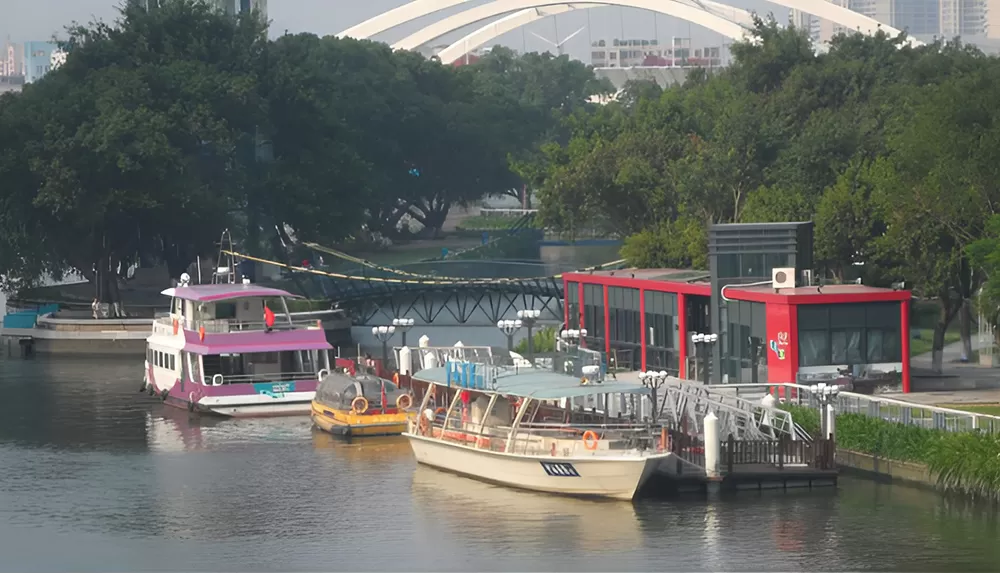
Geotechnical and Site Assessment Requirements in Marine Construction
Every marine installation presents distinct geotechnical conditions that govern foundation selection and structural anchor design. Conducting extensive pre-construction field surveys prevents costly subsurface engineering modifications during execution.
Bathymetric and Hydrodynamic Profiling
Bathymetric surveys utilize multibeam echo sounders to generate three-dimensional seafloor topography maps. These surveys identify bathymetric contour shifts, submerged obstruction zones, and localized siltation rates. Hydrodynamic profiling uses acoustic Doppler current profilers to measure current velocity profiles across the water column throughout spring and neap tide cycles.
Wave spectra analysis determines maximum wave height, peak period, and predominant wave direction during extreme storm events. A specialized terminal construction contractor evaluates wave spectra data to determine whether fixed piles, suspended attenuation screens, or heavy rubble-mound breakwaters are needed to create safe berthing conditions.
Soil Mechanics and Subsurface Geotechnical Testing
Subsurface soil testing is required to determine bearing capacity and driveability profiles for marine piling. Borehole sampling provides core samples to evaluate soil strata, shear strength, plastic limits, and liquefaction potential under seismic or dynamic wave loading.
Standard Penetration Testing (SPT): Measures N-values to assess relative density of cohesionless soils and consistency of cohesive layers.
Cone Penetration Testing (CPT): Delivers continuous pore water pressure, tip resistance, and sleeve friction data for soft estuarine clays and fine silts.
Rock Coring: Evaluates Rock Quality Designation (RQD) and unconfined compressive strength where pilings anchor directly into bedrock.
Failure to properly evaluate soft marine clays can lead to pile settlement or lateral deflection under heavy crane and vessel impact loads. Engineering teams at DeFever utilize site-specific soil data to select appropriate pile embedment depths and select between friction driven piles or end-bearing foundation solutions.
Engineering Methodology and Structural System Design
Selecting structural systems requires balancing capital expenditure with operational utility and environmental adaptability. Marine terminals generally incorporate either fixed pile-supported piers or floating pontoon architectures based on tidal range and operational needs.
Fixed Pier vs. Floating Pontoon Architecture
Fixed piers supported by vertical and battered steel tubular piles or pre-stressed concrete piles are ideal for deep-water commercial ports with minimal tidal variation or heavy cargo loads. However, in regions subject to substantial tidal ranges, floating pontoon systems maintain a constant freeboard height relative to berthed vessels, simplifying gangway access and loading operations.
Heavy-duty floating pontoons manufactured from marine-grade aluminum, steel, or pre-stressed concrete provide versatile modular configurations. Solutions implemented by DeFever utilize modular pre-cast concrete modules filled with expanded polystyrene (EPS) cores to provide positive buoyancy, high displacement weight, and exceptional stability against roll and pitch motion generated by quartering seas.
Piling Mechanics and Cathodic Protection
Deep foundation installation requires heavy marine plant equipment, including spud barges, impact hammers, and high-energy vibratory hammers. Driving steel tubular piles into dense sand or hard clay layers demands precise monitoring to prevent structural fatigue or pile-top deformation during installation.
Corrosion mitigation is a fundamental requirement for steel structures submerged in seawater or exposed to splash zones. A seasoned terminal construction contractor integrates two primary corrosion mitigation methods:
Sacrificial Anode Cathodic Protection (SACP): Attaches zinc or aluminum alloy anodes directly to steel piles to provide localized galvanic protection.
Impressed Current Cathodic Protection (ICCP): Utilizes an external DC power source to feed protective current through titanium anodes for large-scale, long-life structural installations.
High-Performance Marine Coatings: Applies glass-flake epoxy or polyurethane systems applied under controlled humidity prior to site delivery.
When working alongside an experienced terminal construction contractor, pre-stressed marine concrete formulations incorporate micro-silica, fly ash, and corrosion-inhibiting admixtures to reduce permeability, protecting internal rebar from chloride ion penetration.
Supply Chain Management and Fabrication Quality Control
Executing offshore and coastal marine projects demands seamless integration between structural engineering, off-site prefabrication, and maritime logistics. Equipment mobilization alone represents a significant portion of project capital, making schedule precision mandatory.
Modular Prefabrication and Quality Assurance
Off-site prefabrication of floating pontoons, structural steel gangways, and pre-cast concrete deck elements improves quality control while reducing localized marine traffic disruptions. Prefabrication facilities must adhere to strict ISO quality frameworks and international welding standards such as AWS D1.1 or EN 1090.
Non-Destructive Testing (NDT) protocols verify structural integrity before components leave the shipyard:
Ultrasonic Testing (UT): Identifies volumetric internal flaws within thick steel plate welds.
Radiographic Testing (RT): Provides permanent visual records of internal sound integrity in critical structural joint welds.
Magnetic Particle Testing (MT): Detects surface and shallow subsurface discontinuities in ferromagnetic materials.
Managing off-site component manufacturing enables parallel site preparations—such as dredging, seabed clearance, and pile driving—to occur concurrently, significantly reducing overall project timelines.
Dredging and Environmental Protection Measures
Achieving required design depths alongside berthing structures requires specialized dredging techniques. Environmental regulations dictate exact dredge spoils containment procedures to mitigate turbidity and prevent sediment plume dispersion into nearby marine habitats.
Deploying heavy turbidity curtains around cutter suction or clamshell dredging zones contains suspended solids. Working with a knowledgeable terminal construction contractor ensures compliance with local marine environmental regulatory bodies, securing necessary permits while managing dredging cycles around seasonal marine life migration windows.
Utility Integration and Terminal Utility Distribution
Modern terminal construction extends beyond structural integrity. High-capacity commercial and yacht harbor terminals require complete utility integration embedded within deck structures to support ship-to-shore operations safely.
Integrated Deck Services and Utility Trenching
Utility distribution pathways must be protected from direct saltwater exposure and physical impact damage. Modern pontoon and fixed pier design incorporates service ducting channels and internal utility chases directly into concrete structures.
Shore Power Distribution: High-voltage transformers and power pedestals delivering 50Hz/60Hz frequency configuration with isolated earthing systems.
Potable Water Supply: Dedicated high-flow piping networks equipped with backflow preventers and UV sterilization systems.
Blackwater and Bilge Pump-Out Systems: Vacuum-assisted extraction pipelines routed directly to municipal wastewater treatment networks.
Fuel Bunkering Facilities: Double-walled stainless steel or HDPE fuel lines featuring leak detection monitoring and automated shut-off systems.
Berthing Systems and Fendering Solutions
Fendering systems dissipate the kinetic energy of a berthing vessel without causing structural damage to the pier or vessel hull. Energy absorption calculations take into account displacement mass, approach velocity, berthing angle, and hydrodynamic mass coefficients.
Engineered fendering systems fall into several primary mechanical categories:
Arch and Element Fenders: High-durability rubber profiles ideal for high-shear applications alongside general cargo docks.
Cone and Cell Fenders: High energy absorption to reaction force ratio, ideal for heavy vessel berths exposed to significant movement.
Pneumatic and Foam-Filled Fenders: Suspended floating fenders providing large stand-off distances for deep-draft commercial ships and large superyachts.
Mooring bollards must be calculated to handle heavy pull loads, with dynamic line pull capacities ranging from 10 metric tons for small utility docks up to 200+ metric tons for commercial ocean freight terminals.
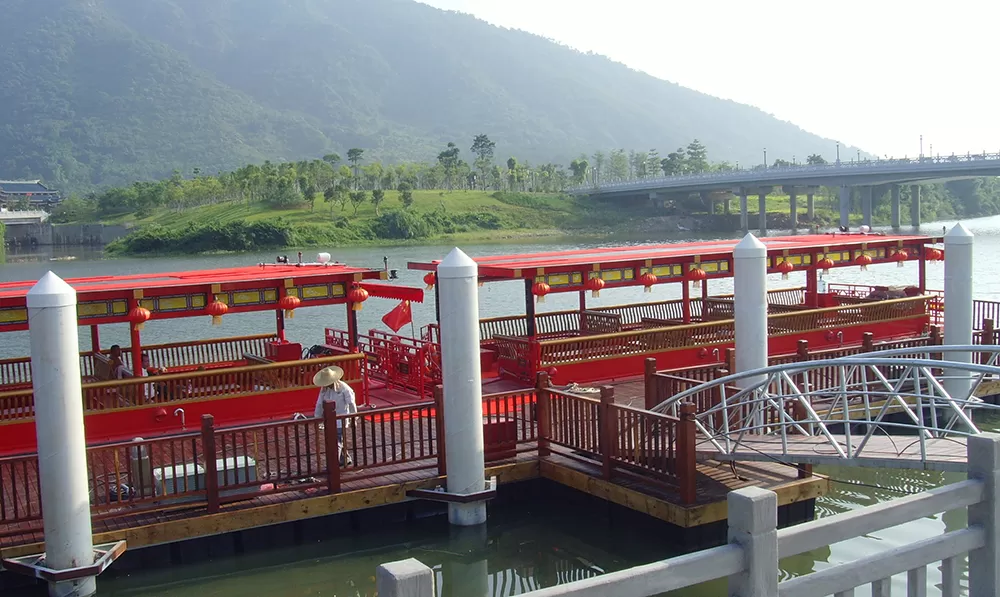
Selecting a Qualified Terminal Construction Contractor
Selecting an engineering partner requires evaluating technical capabilities, marine equipment fleets, financial stability, and past performance on complex marine installations. Evaluating a prospective terminal construction contractor requires auditing their internal engineering resources, marine safety records, and specialized floating equipment assets.
A capable contractor provides clear risk management protocols covering unexploded ordnance (UXO) surveys, hydrographic verification, underwater diving inspection capabilities, and contingency planning for severe weather events during construction. Engaging a integrated design-build engineering specialist like DeFever ensures that project conceptual design, material procurement, site logistics, and structural installation remain aligned throughout the project lifecycle.
Frequently Asked Questions
Q1: What structural factors dictate whether a fixed pier or floating pontoon system should be specified?
A1: The choice depends primarily on local tidal range, water depth, and intended vessel types. Floating pontoons are ideal for locations with large tidal variations (exceeding 1.5 to 2 meters) because they maintain a constant freeboard height relative to berthed vessels. Fixed piers are preferred for heavy industrial cargo loading, deep water ports, or locations where heavy shore crane capacities are required directly on the deck structure.
Q2: How do engineers calculate pile penetration depth for marine terminal structures?
A2: Pile embedment depths are calculated using site-specific geotechnical soil borings and CPT data. Engineers evaluate dynamic axial capacity, lateral bending resistance from wave and vessel impact, soil skin friction, and end-bearing resistance. Advanced dynamic pile driving analysis (PDA testing) during installation verifies calculated capacities against actual field driving resistance.
Q3: What methods are used to prevent rebar corrosion in marine concrete structures?
A3: Corrosion prevention relies on using high-density concrete mixes with low water-cement ratios, supplemented with micro-silica, fly ash, or blast furnace slag to minimize chloride ion permeability. Increasing concrete cover over steel reinforcement, utilizing epoxy-coated or stainless steel rebar, and applying migrating corrosion inhibitors further protect structural integrity in aggressive splash zones.
Q4: Why is hydrodynamic wave attenuation necessary for marina terminal basins?
A4: Excessive wave motion inside a mooring basin can cause severe damage to berthed vessels, pontoon hardware, and mooring lines. Hydrodynamic wave attenuators or fixed breakwaters absorb or reflect incoming wave energy, reducing wave height inside the basin to safe operational thresholds (typically maintaining significant wave height below 0.3 meters for recreational marinas).
Q5: What certifications and standards should be audited when evaluating a marine contractor?
A5: Prospective contractors should maintain ISO 9001 (Quality Management), ISO 14001 (Environmental Management), and ISO 45001 (Occupational Health and Safety) certifications. Technical compliance should align with recognized marine engineering codes such as PIANC guidelines, British Standards (BS 6349 for maritime structures), or equivalent regional marine infrastructure regulations.
Initiate Your Marine Infrastructure Project
Developing resilient, high-capacity waterfront facilities requires rigorous engineering execution and specialized marine construction equipment. Whether expanding a commercial vessel terminal, constructing a high-capacity industrial pier, or developing a premier luxury yacht harbor, selecting an experienced partner ensures long-term operational success.
Reach out to the engineering team at DeFever to submit your project specifications, request a detailed site evaluation, or initiate a comprehensive technical inquiry for your upcoming waterfront development project.