2026-10-15
For marina operators, dive charter businesses, and waterfront resort engineers, a dive platform for dock is not a simple add-on—it is a critical piece of commercial infrastructure. Unlike residential swim ladders, a commercial dive platform must withstand repeated heavy loads, saltwater corrosion, impact from scuba tanks, and the dynamic forces of waves and vessel wakes. Poorly designed platforms lead to accidents, premature failure, and costly liability claims. This guide provides a technical breakdown of material selection, structural engineering standards, anti-slip requirements, and integration with existing pier systems, drawing on DeFever’s two decades of marine access solutions.
Why Generic Accessories Fail as a Dive Platform for Dock
Many dock owners assume a standard swim ladder or small deck extension suffices. However, a professional dive platform for dock faces distinct demands: entry and exit of divers wearing 20-30 kg of gear, repeated gripping by heavy rubber fins, and exposure to sunscreen, fuel residue, and marine growth. Common failures include:
Corrosion of mild steel or low-grade stainless (304 vs. required 316L).
Inadequate load rating – commercial platforms should support a minimum of 1,000 lbs (450 kg) concentrated load.
Poor slip resistance – smooth aluminum grating becomes treacherous when wet.
Lack of handrail compliance with OSHA or local maritime safety codes.
Replacing a failed unit mid-season costs 3-4x the initial investment due to downtime and dock modifications. Therefore, specifying the right marine access platform engineering from the start is a financial necessity.
Core Technical Specifications for a Commercial Dive Platform
When evaluating a dive platform for dock, focus on five measurable parameters:
1. Structural Material and Corrosion Protection
Marine-grade aluminum (6061-T6 or 5086-H116) offers the best strength-to-weight ratio and natural corrosion resistance in saltwater. For freshwater applications, hot-dip galvanized steel with epoxy topcoat may be acceptable, but aluminum remains the industry standard. All fasteners must be 316 stainless steel or Monel. DeFever fabricates platforms with full-penetration welds and post-weld passivation to eliminate crevice corrosion points.
2. Dynamic Load Rating and Deflection Limits
A commercial dive platform for dock must be engineered for live load plus impact. Minimum design live load: 100 psf uniform, with a 1,000-lb point load at any 1 sq ft area. Maximum deflection under full load: L/200 of span. For platforms extending 4 ft from dock face, deflection should not exceed 0.24 inches. This prevents trip hazards and structural fatigue.
3. Anti-Slip Surface Technology
Serrated aluminum bar grating (type 6 or 7) provides self-draining, high-traction surface. Grit-coated fiberglass reinforced plastic (FRP) is an alternative for chemical-heavy environments, but it degrades under UV. For heavy scuba traffic, specify raised-profile extruded aluminum with 0.5-inch perforations – allows water and debris to pass while maintaining grip.
4. Submersion Depth and Ladder Integration
The platform should be positioned 12–18 inches above mean high water to accommodate tidal range, with a boarding ladder extending at least 3 ft below the water surface. Ladder rungs must be non-slip and spaced 12–14 inches apart. A handrail on both sides, extending 42 inches above platform deck, is mandatory for commercial operations under most jurisdiction’s workplace safety rules (e.g., OSHA 1910.29).
5. Attachment to Existing Dock Structure
Surface mounting using 316 stainless steel through-bolts with backing plates is preferred over lag screws. For floating docks, the dive platform for dock must be hinged or allow vertical movement without binding. Heavy-duty hinges with greasable bronze bushings extend service life. Under no circumstances should welding be done on-site unless post-weld heat treatment is performed to avoid hydrogen embrittlement.
Application-Specific Design Considerations
Different commercial environments require tailored solutions for a dive platform for dock. Below are three common scenarios and engineering responses.
High-Traffic Scuba Charter Marina
Daily diver entries: 50–150. Platform width should be at least 8 ft to allow gear staging. Integrate gear hooks (rated 50 lbs each) and a freshwater rinse hose connection. The platform surface must be removable for quarterly cleaning of underside fouling. Many operators add a low-pressure air lift for heavy tank transport – this requires reinforced mounting points.
Resort Swimming and Snorkeling Dock
Focus on ADA accessibility where possible. A custom dock dive platform for resorts should feature a gradual slope (1:12 max) and a transfer ledge at 18 inches above water. Handrails with continuous grip surface. For family use, add a removable safety gate to prevent unsupervised access by small children.
Search & Rescue (SAR) or Fire Department Training Dock
Extreme duty: platform deck constructed from 3/8-inch aluminum chequer plate with fully welded stiffeners. Load rating: 2,500 lbs dynamic (simulating two rescuers plus victim). Non-shrink grout-filled perimeter bumper to withstand boat collisions. SAR platforms often include a quick-release tow point for rescue watercraft.
Installation Pitfalls and Mitigation Strategies
Even a correctly specified dive platform for dock can fail due to poor installation. Most common errors:
Insufficient backing plates: Through-bolts without load-distributing plates will pull through weathered timber or composite decking. Use 4”x4”x1/4” 316 stainless plates.
Galvanic contact: Directly attaching aluminum platform to steel dock beams without isolation pads causes rapid electrolysis. Use 1/8” neoprene gaskets and coated washers.
Wrong fastener torque: Stainless bolts require anti-seize lubricant and calibrated torque to avoid galling. Field failures are common when crews over-tighten 1/2” bolts beyond 70 ft-lbs.
Neglecting tidal range: For floating docks, the platform's lowest point must not hit the seabed at low tide. Survey bathymetry at lowest astronomical tide (LAT) plus 0.5 m clearance.
DeFever provides on-site installation supervision and post-installation pull-out testing for all commercial platforms. This verification step is often required for insurance underwriting.
Lifecycle Cost and Maintenance Schedule
A properly engineered dive platform for dock will last 20+ years in saltwater with routine care. Annual maintenance checklist:
Inspect welds for cracking using dye penetrant (every 2 years).
Check fastener torque (every 6 months for high-vibration locations).
Clean slip-resistant surface with mild acid to remove calcium deposits.
Lubricate hinges and ladder pivot points with marine-grade grease.
Replace sacrificial zinc anodes if platform is bonded to dock’s cathodic system.
Neglect leads to accelerated wear: loose bolts, broken welds, and dangerous slippery biofilm. Budget approximately $150–$400 annually per platform for professional inspection and minor repairs, which is far less than injury litigation or platform replacement ($8,000–$25,000 depending on size).
Regulatory Compliance and Liability Reduction
Commercial dive platforms fall under multiple codes: ASTM F2466 (standard for marine gangways and ladders), NFPA 303 (marina fire protection), and local building codes. Key requirements:
Platform edges marked with high-visibility yellow striping.
Maximum ladder angle: 70 degrees from horizontal.
Handrails must withstand 200 lbs horizontal force without permanent deflection.
If platform extends beyond dock face more than 24 inches, perimeter warning line or retractable barrier required for night safety.
Failure to comply may void insurance coverage. Marina safety audits conducted by third-party engineers routinely cite uncertified dive platforms as high-risk items. Investing in a certified system reduces exposure and improves guest confidence.
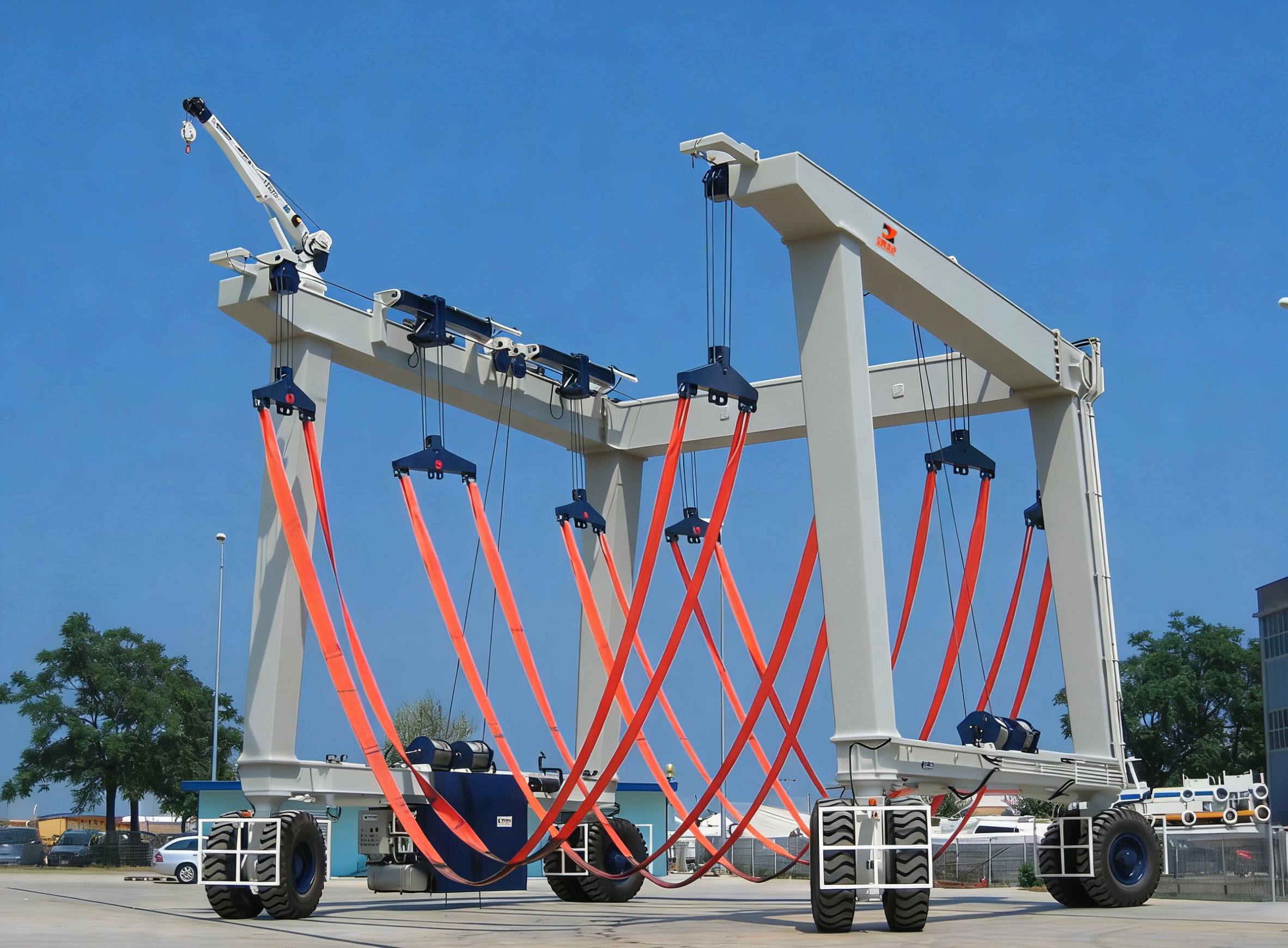
Case Study: Aluminum Heavy-Duty Dive Platform for a Florida Dive Charter Operator
A Key Largo-based scuba operation with 12 boats reported repeated failures of stainless steel tube platforms – cracks at welds after 18 months. DeFever designed a 10 ft x 4 ft platform from 5086 aluminum with 3-inch structural channel framing and serrated grating deck. Load rating: 1,800 lbs. The unit incorporated a folding ladder with gas-assist struts for easy raising during storms. After two years of daily use with 60+ divers per day, inspection showed zero corrosion and no measurable deflection. The operator reported a 40% reduction in minor slip incidents due to improved surface drainage. Total project cost including installation was $14,200, projected to last 25 years with basic maintenance.
Frequently Asked Questions (FAQs)
Q1: What is the typical load rating required for a commercial dive
platform for dock?
A1: For public dive operations,
minimum concentrated load rating is 1,000 lbs (454 kg) applied to any 1 sq ft
area. Uniform live load should be at least 100 psf. High-traffic or rescue
platforms often require 1,500–2,500 lbs rating. Always request a stamped
engineering certificate from the fabricator verifying these loads for your
specific dive platform for
dock.
Q2: Can I attach a dive platform to a floating polyethylene
dock?
A2: Yes, but requires careful reinforcement.
Polyethylene docks lack internal structure to handle point loads. Use a
stainless steel backing plate that spans at least three individual float
sections, plus through-bolts with large fender washers. The platform should be
independently supported by two additional float drums if the total platform
weight plus load exceeds 400 lbs. Many floating dock manufacturers void
warranties if you bolt heavy accessories without their written approval.
Q3: How does saltwater affect different materials for dive
platforms?
A3: 316 stainless steel offers good
corrosion resistance but suffers crevice corrosion under gaskets and in
low-oxygen areas (e.g., under ladder treads). Aluminum 5086 or 6061-T6 naturally
forms a protective oxide layer; it is the preferred material for a long-lasting
dive platform for dock in
marine environments. Fiberglass reinforced plastic (FRP) is resistant but
becomes brittle after 5-7 years of UV exposure and may crack under impact from
scuba tanks.
Q4: What anti-slip performance is required for a commercial dive
platform?
A4: The coefficient of friction (COF)
should be ≥ 0.6 when wet (measured by ASTM D2047). Serrated aluminum bar grating
typically achieves 0.8-0.9. Painted or powder-coated surfaces lose slip
resistance rapidly; avoid them. Also require open grating design (at least 50%
open area) so water and sand fall through rather than accumulate. Solid plates,
even with grip tape, become hazardous within months due to algae growth.
Q5: How long does it take to fabricate and install a custom dive
platform for dock?
A5: Standard sizes (4-6 ft wide,
3-4 ft projection) take 4-6 weeks from approved drawings to delivery. Custom
shapes with integrated gear storage or multiple ladder positions require 8-10
weeks. Installation typically takes 1-2 days, depending on dock accessibility
and tide windows. Custom dock equipment
installation should always include a water load test before final
acceptance.
Q6: Is a building permit required for adding a dive platform to an
existing dock?
A6: In most coastal jurisdictions,
any structural attachment to a dock that extends beyond the existing footprint
requires a minor site plan review and potentially a coastal zone management
permit. If the platform exceeds 50 sq ft or includes electrical components
(lighting, charging ports), full building permit with structural calculations is
mandatory. Always check local codes before ordering; unpermitted installations
may be subject to removal orders and fines.
Selecting the right dive platform for dock demands expertise in materials engineering, load analysis, and maritime safety regulations. Generic off-the-shelf solutions rarely satisfy commercial operational needs or insurance requirements. DeFever provides turnkey engineering, fabrication, and compliance verification for dive platforms, swim ladders, and marina access systems worldwide. Our team delivers site-specific designs with stamped engineering calculations and corrosion warranties.
Request a professional consultation for your waterfront facility. Submit your dock type, average daily diver count, tidal range, and any special accessibility needs to receive a preliminary design and budget proposal within 7 business days.
Send your inquiry now or use our online project form to discuss how DeFever can engineer a safer, more durable dive platform for your marina.