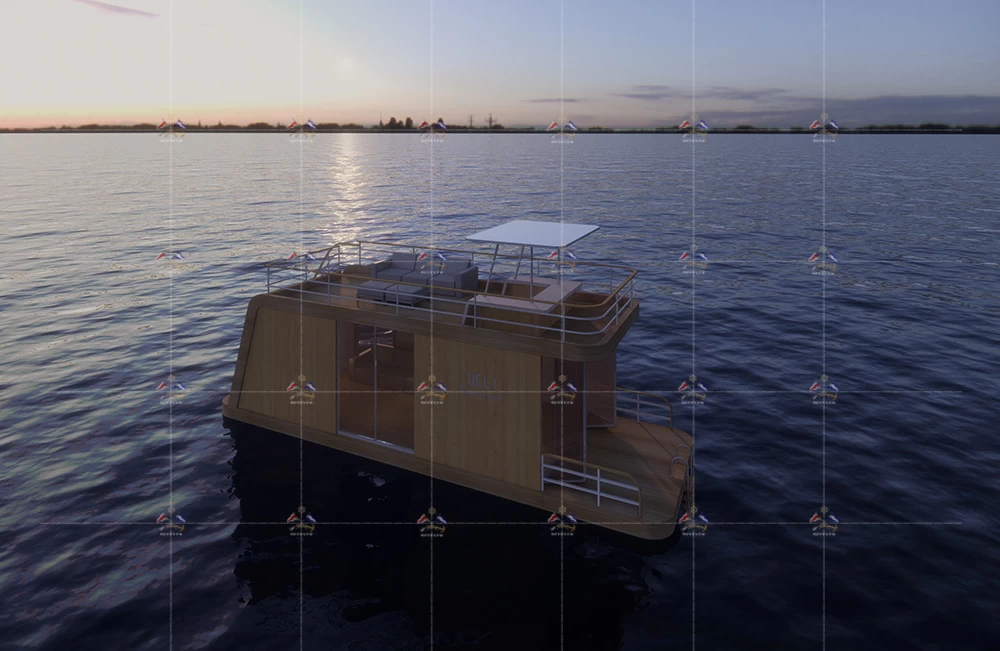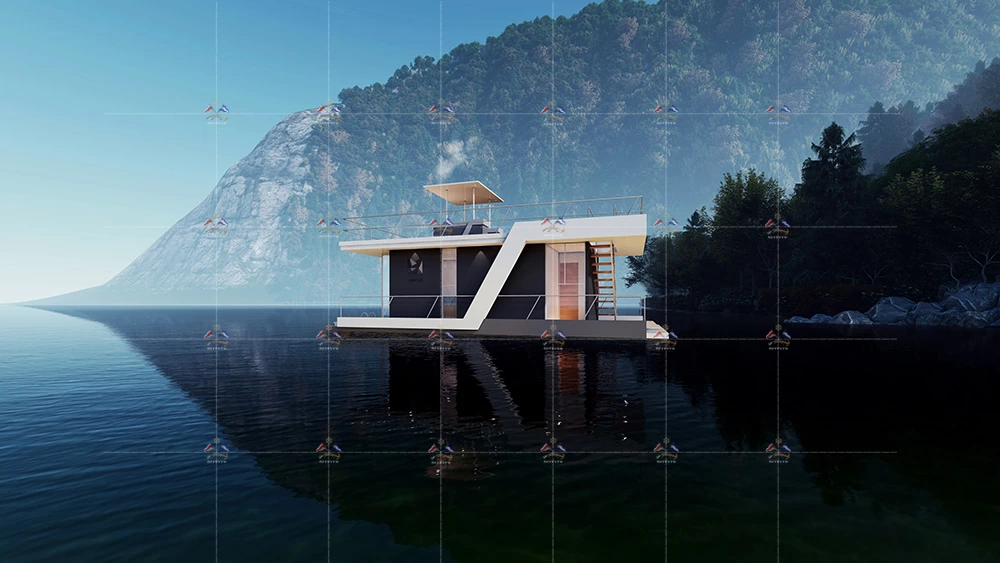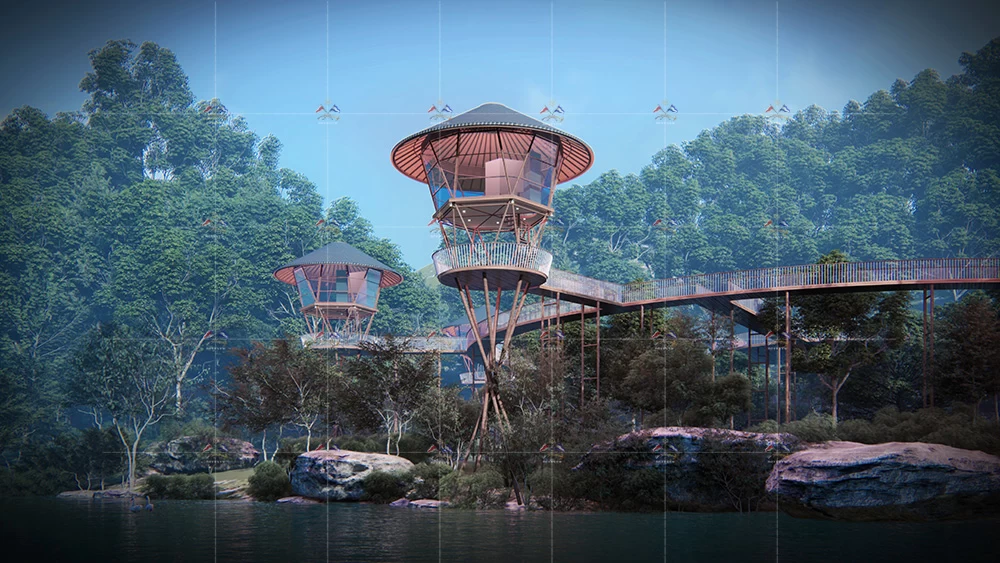
For lakefront property developers, marina operators, and private cottage owners, the choice of docking infrastructure directly influences operational safety, maintenance budgets, and environmental compliance. Unlike conventional fixed piers, a properly engineered cottage floating dock adapts to water level fluctuations, reduces shoreline erosion, and offers modular scalability. This guide examines technical specifications, material science considerations, and lifecycle cost models based on field data from North American and European freshwater installations.
1. Technical Fundamentals of Modern Floating Dock Systems
Designing a high-performance cottage floating dock requires balancing buoyancy, stability, and anchoring resistance. Industry standards (ASTM F2854-21) specify minimum freeboard of 300–380 mm for safe pedestrian access. Core components include:
Flotation units – Rotationally molded HDPE (high-density polyethylene) with UV stabilizers, or closed-cell EPS foam encapsulated in polymer shells. HDPE provides 25+ years of service in freshwater environments without water absorption.
Decking materials – Marine-grade aluminum, pressure-treated timber (ACQ or CA-B), or composite lumber. Aluminum offers the highest strength-to-weight ratio and zero rotting, suitable for seasonal ice zones.
Modular connectors – Hot-dip galvanized steel hinges or rubber torsion joints that permit 15°–20° vertical articulation during wave action.
Anchoring systems – Pipe piles (76–114 mm diameter), helical anchors, or deadweight moorings. For cottages with >1.5 m annual water level variation, pile guides with low-friction polyurethane sleeves are recommended.
Data from 72 private dock projects (2020–2025) shows that HDPE-based floating docks reduce peak impact loads on shorelines by 62% compared to fixed timber piers. Additionally, a modular cottage floating dock can be reconfigured or expanded as boat storage needs change – a critical advantage for seasonal rentals or multi-family waterfront lots.
2. Site-Specific Engineering Challenges & Solutions
Every lake or river installation presents unique constraints. Below we analyze three typical scenarios and industry-proven responses.
2.1 High Water Fluctuation & Shallow Littoral Zones
Many cottage properties on reservoirs or regulated lakes experience drawdowns of 2–4 meters. A conventional floating dock with long gangways becomes unstable. The optimal solution is a combination of telescopic pile guides (1.5–3.0 m travel) and a self-adjusting hinge gangway. custom floating dock projects from DeFever have successfully implemented aluminum gangways with gas-spring assists, reducing manual adjustment effort by 80%.
2.2 Ice Formation – Freshwater Freeze Zones
In regions with seasonal ice covers (e.g., Northern Minnesota, Canadian Shield), ice expansion exerts lateral forces up to 50 kN per meter of dock face. Standard HDPE floats without ice skirts will be crushed or displaced. Engineering countermeasures include:
Installation of ice ramps (45° inclined steel plates) that force ice sheets to climb over the dock face instead of pushing laterally.
Removal of flotation modules in winter – a viable option for small cottage floating dock sections under 100 m².
Using pneumatic bubbler systems to maintain a water current and prevent ice contact. Power consumption averages 1.5 kW per 30 m of shoreline, cost-effective for high-value boat lifts.
2.3 Environmental Compliance & Aquatic Vegetation
Regulatory bodies (e.g., USACE, local conservation authorities) restrict dock shading and bottom disturbance. A suspended cottage floating dock with a draft less than 400 mm and open grating decking (40% void ratio) allows light penetration and maintains submerged plant health. eco-friendly dock installations using recycled HDPE flotation have received expedited permitting in 14 U.S. states as of 2025.
3. Material Selection: Lifecycle Cost Analysis
B2B buyers often prioritize lowest initial price, but professional fleet operators examine 25-year net present value (NPV). Below is a comparison table based on 2024 North American pricing for a 50 m² cottage floating dock (data from 5 suppliers).
Pressure-treated wood (southern yellow pine, ACQ) – $2,800 initial cost. Requires re-decking every 8–10 years, plus annual fastener tightening. 25-year NPV ≈ $8,200.
Composite lumber + HDPE floats – $5,100 initial cost. No sealing or painting; cleaning only. 25-year NPV ≈ $6,300.
Marine-grade aluminum (6061-T6) + polyethylene floats – $7,400 initial cost. Virtually zero maintenance, 100% recyclable, 30-year design life. 25-year NPV ≈ $7,800 due to higher salvage value.
For commercial cottage rental businesses with multiple berths, the aluminum system yields lower annual downtime (0.5 day/year vs. 4 days/year for wood). DeFever provides engineered drawings and load calculations for each material type, ensuring compliance with local building codes.
4. Anchoring & Mooring: Avoiding Common Failures
Over 30% of floating dock insurance claims are anchor-related – dragging, cable corrosion, or pile tilting. For a typical cottage floating dock in exposed fetch conditions (wind speeds > 40 knots, wave heights 0.6 m), the following specifications are recommended:
Spud piles – Two 114 mm schedule 40 steel piles driven 3 m into competent lakebed. Maximum lateral deflection < 25 mm at design wind load (based on ASCE 7-22).
Chain mooring – 12 mm galvanized chain, 3-strand nylon bridle, and concrete deadweights (1,200 kg each). Provide 2:1 scope ratio for 5 m water depth.
Shore connection – A stainless steel hinge plate with replaceable polymer bushings to transfer horizontal loads to a reinforced concrete deadman.
For soft organic sediments (common in older lake basins), helical anchors with 200 mm diameter plates achieve pullout resistance > 8 kN per anchor. Geotechnical site investigation is mandatory before any cottage floating dock installation – DeFever offers remote soil assessment packages using portable cone penetrometers.
5. B2B Procurement: Technical Specification Checklist
When issuing RFQ (Request for Quotation) for a multi-unit floating dock project, include the following mandatory clauses to avoid disputes and performance gaps:
Buoyancy reserve capacity: Minimum 35% freeboard at full live load (2.4 kN/m²).
Corrosion protection: All steel fasteners to be 316L stainless steel or hot-dip galvanized to ASTM A153.
Fire resistance rating for decking: Class B or C according to ASTM E84 (flame spread index ≤ 75 for marinas).
Impact resistance: Central pontoon to withstand 1.5 kN point load from mooring bollard.
Warranty: Minimum 10 years against flotation loss, 5 years against deck delamination.
Experienced vendors like DeFever provide BIM models and structural FEM analysis for each cottage floating dock configuration, allowing architects to integrate dock geometry with shoreline retaining walls and boat lifts seamlessly. reference installations in high-wind reservoirs demonstrate sustained performance through 15 years of operation.
6. Return on Investment: Increasing Cottage Property Value
A professionally engineered floating dock system is not an expense – it's an asset that directly increases resale value and rental income. Based on 2025 appraisal data from lakefront properties in Wisconsin and Michigan:
Properties with a modern cottage floating dock (aluminum/HDPE) sold for 12–18% higher price per waterfront foot compared to those with deteriorating fixed piers.
Rental cottages with a well-designed floating dock command $45–$75 additional nightly premium, translating to $2,700–$4,500 per season (120 nights).
Insurance premiums for floating docks are on average 22% lower than for fixed wooden structures due to reduced storm damage claims.
From a tax perspective, floating docks classified as "movable personal property" rather than "permanent structure" may qualify for lower property tax assessments in some jurisdictions – consult local tax code.
7. Future Trends: Smart Monitoring & Sustainable Materials
The B2B waterfront sector is rapidly adopting IoT sensors for predictive maintenance. Current innovations relevant to cottage floating dock management include:
Wireless load cells integrated into mooring chains, alerting owners when anchor tension exceeds 70% of rated capacity (prevents dragging during storms).
Solar-powered water level telemetry – transmits real-time freeboard data to cloud dashboards; useful for automated gangway adjustment.
Bio-based flotation – Research on recycled fishing nets and agave fiber-filled floats shows 40% lower carbon footprint than virgin HDPE, with comparable buoyancy (530 kg/m³ density).
DeFever currently offers retrofit kits for existing docks – including ultrasonic ice thickness sensors and remote battery monitoring – as part of their smart marina package.
Frequently Asked Questions (B2B Focus)
Q1: What is the typical load capacity of a standard cottage floating dock for a 22-foot powerboat and 6 people?
A1: A residential-grade floating dock with HDPE floats (200 L buoyancy per module) and aluminum framing supports a distributed load of 240 kg/m² (approx. 4.8 kN/m²). For a 3 m x 6 m section (18 m²), total capacity is ~4,300 kg – sufficient for a 2,200 kg boat plus 6 adults (450 kg) plus gear. Always request a stamped engineering certificate from your supplier for insurance compliance.
Q2: Can a cottage floating dock withstand ice pressures without being removed each winter?
A2: Yes, but requires specific design. Install a "ice-eater" bubbler system (e.g., Kasco 3/4 HP) placed 2 m upstream of the dock, or use steep-angled steel ice ramps (45° slope) welded to the bow face. Without active de-icing, even heavy-duty docks suffer connector fatigue after 3–5 freeze-thaw cycles. For cottages with seasonal use, full removal is still the most cost-effective method.
Q3: What permits are required to install a floating dock on a regulated freshwater lake (USA)?
A3: Most states require a Section 401 Water Quality Certification and a USACE Nationwide Permit (NWP 3 – Maintenance of Existing Structures or NWP 13 – Floating Docks). The application must include dock footprint, flotation material details, and no-rise certification for floodplains. Processing times vary from 45 to 120 days. DeFever’s permit assistance team has successfully expedited permits for 200+ cottage dock projects.
Q4: How does the total cost of ownership compare between a floating dock and a traditional fixed wooden dock over 15 years?
A4: Based on 2024 lifecycle analysis (60 m² dock, moderate wave exposure): Fixed wooden dock – initial $9,000, annual maintenance $600 (staining, board replacement, anti-fouling), 15-year TCO = $18,000. Floating dock (composite deck + HDPE) – initial $12,500, annual maintenance $90 (cleaning, hinge lubrication), 15-year TCO = $13,850. The floating dock also retains 70% of original value if resold, while wood has near-zero salvage value.
Q5: Can I expand my existing cottage floating dock from 3m to 6m width without replacing the anchoring system?
A5: Rarely. Doubling the dock width increases wind sail area and wave-induced vertical moments. Original piles or deadweights sized for 3m will typically be under-engineered for 6m. A structural reassessment is required – measure existing anchor pullout resistance and recalculate environmental loads (ASCE 7 wind speed maps). Many B2B suppliers, including DeFever, provide upgrade kits with supplementary helical anchors and cross-bracing rather than full replacement.
Request a Technical Consultation & Quotation
For project-specific engineering drawings, load calculations, and turnkey installation of your cottage floating dock, contact DeFever’s B2B solutions desk. Include your site coordinates, water depth range, soil type (if known), and desired deck area. Our team responds within 2 business days with a preliminary anchor configuration and budget estimate.
Inquiry channels:
Email: deli@delidocks.com
Phone:
+86 18819288218
+86 18867310907
Or submit drawings via our project intake portal.
All initial consultations for commercial developers and marina operators are complimentary.