2026-10-15
If you work in marine construction, the term "a floating platform" probably comes up daily. But what seems simple on the surface involves complex engineering. These are not just slabs that float.
A modern floating platform is a precisely engineered structure. It must withstand dynamic loads, harsh environments, and constant wear. Getting it wrong isn't an option.
This article breaks down the critical aspects of floating platforms. We'll look at their core uses, how to choose the right type, and what goes into building one that lasts.
What Exactly is a Floating Platform?
In professional terms, a floating platform is a man-made, buoyant structure secured in place. It does not have its own propulsion. Its primary function is to provide stable, accessible space on the water.
This differs from a boat or a ship. The design focus is on static stability and load-bearing capacity, not speed or seaworthiness in open oceans.
Think of it as creating instant, flexible waterfront real estate. The engineering ensures it sits level, handles weight shifts safely, and resists environmental forces.
Key Applications in Modern Marina Projects
The use of floating platform systems has exploded beyond simple docks. Their versatility solves numerous waterfront challenges.
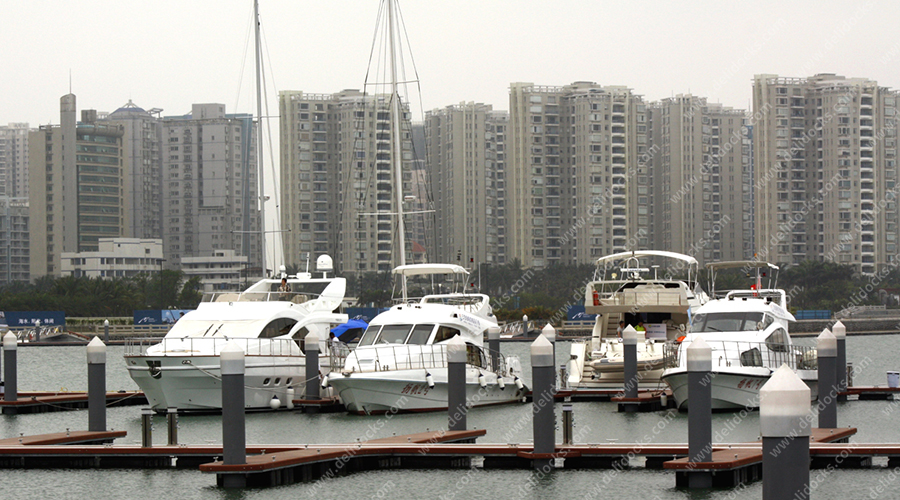
Access and Docking: This is the classic use. Floating docks and wave attenuators are platforms that provide boat access. They rise and fall with the tide, improving safety and accessibility.
Marina Services: Fuel docks, pump-out stations, and boat lifts are all built upon heavy-duty floating platforms. They bring services directly to the waterline.
Public Spaces: Waterfront parks now use floating platforms for stages, restaurants, or swimming decks. They create public amenities without permanent land alteration.
Industrial & Renewable Energy: Work barges for construction and access platforms for offshore wind turbines are specialized, heavy-industrial floating structures.
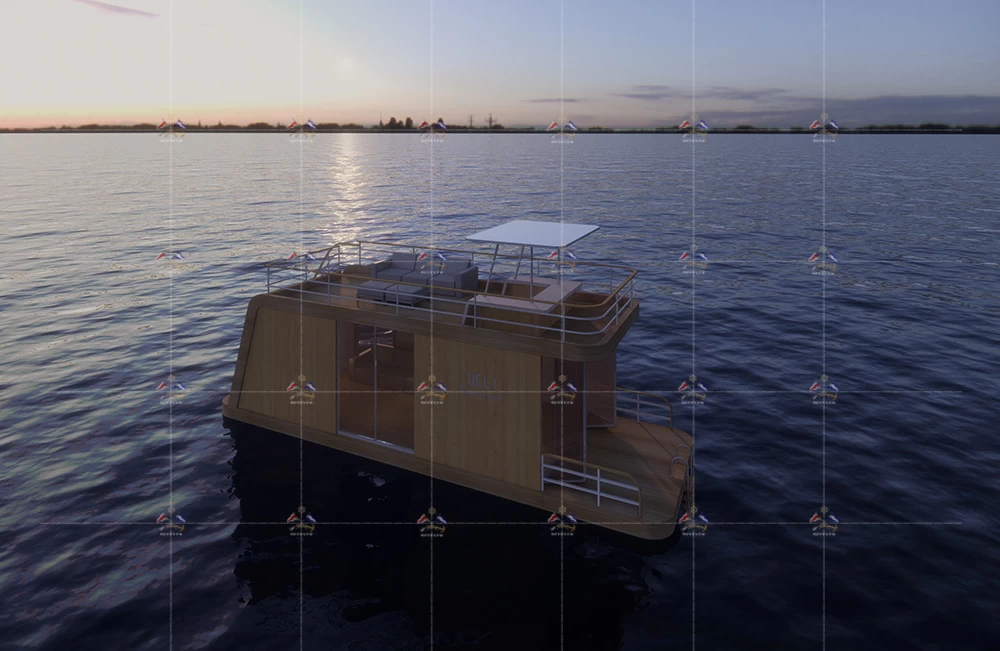
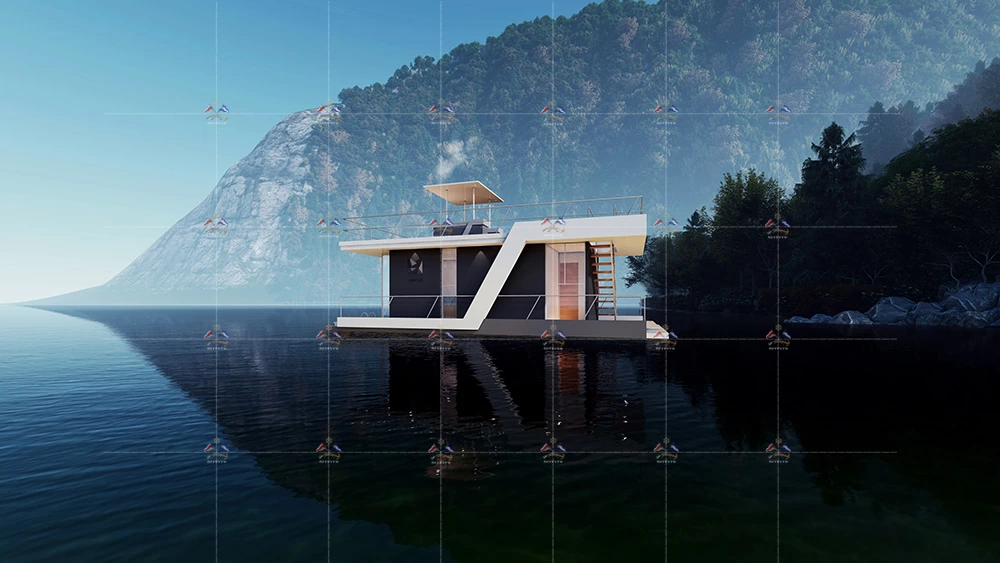
Custom Solutions: From private boat houses to helicopter landing pads for superyachts, a custom-designed floating platform can meet unique client needs.
The right application dictates the entire design philosophy.
Choosing the Right Type: Modular vs. Custom-Built
This is a fundamental choice that impacts cost, timeline, and capability.
Modular Floating Platforms are built from prefabricated units. Think of them as high-tech, marine-grade Lego blocks. They offer fast installation and easy reconfiguration. Most standard marina docks use this system.
Custom-Built Floating Platforms are engineered as single, monolithic structures. They are used when the application is unique. A large event stage, a complex fuel terminal, or a platform for heavy machinery often requires a custom design and build.
The choice hinges on your project's specific requirements for load, size, and permanence.
The Nuts and Bolts: Materials and Engineering
What makes a floating platform reliable? It's all in the materials and construction.
Floatation Core: This is the heart. Expanded polystyrene (EPS) foam is common but can waterlog. Closed-cell polyethylene foam is more durable. For the highest demands, steel or concrete pontoons filled with foam provide immense strength and redundancy.
Decking Material: This takes the most abuse. Options include:
Tropical Hardwood (Ipe, Ekki): Beautiful and strong but requires maintenance.
Marine-Grade Polymer: Excellent slip resistance, zero maintenance, made from recycled plastics.
Aluminum Grating: Lightweight, drains perfectly, ideal for utility platforms.
Frame and Structure: Galvanized steel offers great strength. Powder-coated aluminum provides a superb strength-to-weight ratio and corrosion resistance. The frame must distribute loads evenly to the flotation units.
Firms with deep experience in vessel construction, like DeFever, often excel here. Their understanding of marine aluminum fabrication and structural integrity directly applies to building robust, custom floating platforms.
Navigating Costs and Budget Realities
Asking "how much for a floating platform" is like asking the price of a house. It varies massively.
A simple, modular floating dock system might cost a few thousand dollars per linear foot, installed. A large, custom-built commercial floating structure with utilities can run into the millions.
Key cost drivers include:
Size and Load Requirements: More square footage and higher weight capacity mean more materials and engineering.
Materials: Aluminum framing costs more than galvanized steel. Composite decking costs more than treated pine.
Site Conditions: Exposed, high-wave sites require more robust anchoring and protection, increasing cost.
Utilities: Adding electrical, water, or wastewater plumbing is a significant expense.
Installation: Easy shoreline access reduces installation cost. Remote or difficult sites increase it.
Always budget for a professional marine survey and engineering review upfront. It prevents costly changes later.
How to Find a Qualified Supplier or Builder
Not every welder can build a proper floating platform. You need a specialist.
Start by looking for companies within the international yacht marina engineering network. They understand the specific loads and standards required.
Look for These Credentials:
A portfolio of completed, in-water projects.
In-house engineering capability or a partnership with a naval architecture firm.
Familiarity with local and international codes (ISO, PIANC).
Use of certified, marine-grade materials.
The ability to handle both design and installation.
A true specialist views the floating platform as an integrated system: flotation, structure, decking, and mooring. They design all components to work together for decades.
The goal is a platform that is safe, durable, and virtually maintenance-free. It should perform its function so well that people forget it's even a floating platform – they just see a reliable part of the marina infrastructure.
Frequently Asked Questions (FAQ)
Q1: What is the typical lifespan of a well-built floating platform?
A1: With proper materials and maintenance, a high-quality floating platform can last 25 to 40 years. Aluminum structures with polymer flotation often reach the upper end of this range. Regular inspection of the flotation, fasteners, and decking is crucial for maximizing lifespan.
Q2: Can floating platforms handle heavy weights like vehicles or large crowds?
A2: Absolutely, if designed for it. Engineering determines the load capacity. Industrial-grade floating platforms use concrete or large steel pontoons and are designed with significant safety margins. Always provide your builder with exact expected loads, including dynamic or crowd loads.
Q3: How are floating platforms secured in place?
A3: They use a mooring system, not an anchor. Common methods include:
Pile Guides: Vertical piles driven into the seabed, with sleeves on the platform allowing it to slide up and down.
Dolphin Moorings: Platforms are tied to sturdy, independent structures (dolphins) near the corners.
Anchor Chains/Cables: Used in deeper water, connecting the platform to heavy blocks or screw anchors on the bottom.
Q4: What are the main advantages over fixed, pile-supported structures?
A4: Floating platforms maintain a constant height relative to the water surface, which is safer and more accessible. They have less environmental impact on the seabed, can be reconfigured or relocated, and are often faster and less expensive to install in deep water than fixed structures.
Q5: How do you maintain a floating platform?
A5: A simple annual checklist works: 1) Inspect the flotation for damage or waterlogging (especially foam types). 2) Check all connection points, bolts, and welds for corrosion or fatigue. 3) Inspect decking for wear or rot. 4) Verify the integrity of the mooring lines, chains, and connections. 5) Clean debris from underneath to prevent abrasion.