2026-10-15
Yacht owners and marina operators understand that a dependable docking solution is non-negotiable for protecting vessels and streamlining daily operations. The floating docking system has emerged as a preferred choice in modern marine infrastructure, offering a level of flexibility and durability that traditional fixed docks struggle to match. For years, DeFever has been a trusted name in the international yacht industry, delivering floating docking solutions that blend practical engineering with long-term reliability, catering to the unique demands of marinas worldwide.
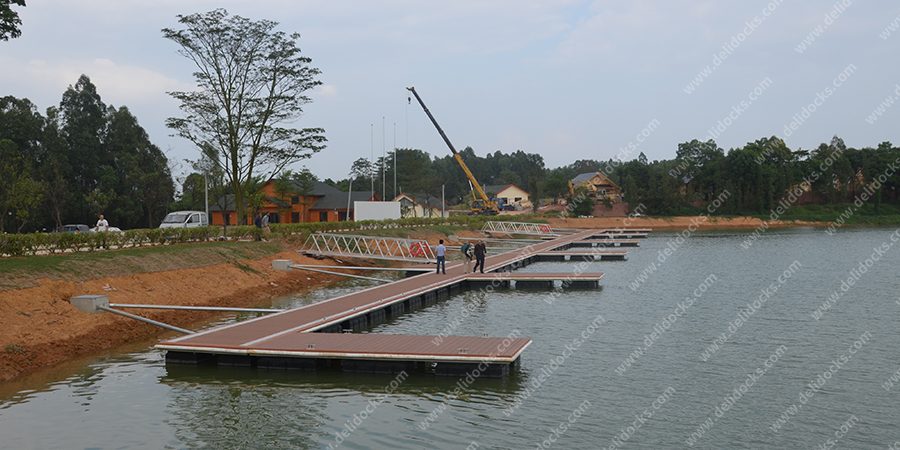
What Is a Floating Docking System and Its Core Advantages?
A floating docking system is a marine structure designed to stay afloat on water, supported by buoyant components like HDPE pontoons, aluminum floats, or concrete modules. Unlike fixed docks that are anchored to the seabed at a static height, these systems rise and fall with water levels—adapting to tides, storms, or seasonal changes seamlessly.
This adaptability is one of the key advantages. It ensures consistent access to yachts regardless of water level fluctuations, reducing stress on hulls and mooring lines. Floating docking systems also minimize environmental impact, as their installation requires less disruption to the seabed compared to fixed alternatives.
Durability is another strong suit. High-quality floating docking systems resist corrosion, UV damage, and harsh marine conditions, extending their service life. DeFever’s floating docking systems amplify these benefits with precision engineering, using materials that stand up to saltwater, extreme temperatures, and heavy vessel traffic.
Common Applications of Floating Docking Systems in Yacht Marinas
Floating docking systems are versatile, finding use across various marine settings tailored to yacht needs.
Coastal marinas, where tides can cause significant water level shifts, rely heavily on these systems. They provide stable docking for everything from small leisure boats to large luxury yachts. In regions like the Mediterranean or Caribbean, where marinas cater to international clientele, floating docking systems are a standard feature.
Inland lakes and rivers also benefit from floating docks, as they adapt to seasonal water level changes without compromising functionality. Private yacht owners often choose modular floating docking systems for their personal docks, as they can be easily expanded or reconfigured.
Commercial yacht clubs and superyacht marinas demand high-performance floating docking systems that offer superior stability and load capacity. DeFever has supplied custom floating docking solutions to such facilities, ensuring they meet the rigorous standards of high-end yacht operations.
Key Factors to Consider When Choosing a Floating Docking System
Selecting the right floating docking system requires balancing several critical factors to match your specific needs.
Material selection tops the list. HDPE (high-density polyethylene) is a popular choice for its lightweight, corrosion resistance, and low maintenance. Aluminum offers strength and durability, making it suitable for larger vessels. Concrete pontoons provide exceptional stability but are heavier and more costly. DeFever’s floating docking systems often feature HDPE or marine-grade aluminum, striking a balance between performance and practicality.
Load capacity is another essential consideration. The system must support the weight of your yacht, passengers, and any additional equipment. Be sure to check the manufacturer’s weight ratings and consult with experts if you own a larger or heavier vessel.
Corrosion resistance is non-negotiable in saltwater environments. Poorly constructed systems can degrade quickly, leading to safety hazards and costly replacements. Look for systems with galvanized hardware or corrosion-resistant coatings.
Installation and maintenance ease should also be evaluated. Modular systems are easier to install and modify, while complex designs may require professional installation and ongoing upkeep. DeFever’s floating docking systems are designed with user-friendliness in mind, simplifying both installation and routine maintenance.
Finding Reliable Floating Docking System Suppliers: What to Look For
Choosing a reputable supplier is as important as selecting the right floating docking system.
Industry experience matters. Suppliers with decades of experience understand the unique challenges of marine infrastructure and can provide tailored solutions. Look for a track record of successful projects in the yacht marina sector.
Certifications and compliance are critical. Ensure the supplier’s floating docking systems meet international standards for safety, durability, and environmental impact. Certifications from bodies like ISO or marine engineering associations are a good indicator of quality.
Customization capabilities are essential for specialized needs. Whether you need a system for a superyacht or a small private dock, the supplier should be able to adapt their products to your requirements. DeFever prides itself on offering custom floating docking solutions, working closely with clients to address their specific needs.
After-sales support is another key factor. A reliable supplier should provide installation guidance, maintenance tips, and responsive customer service. Look for suppliers that offer warranties on their floating docking systems, as this demonstrates confidence in their product quality.
Cost Breakdown: What Impacts the Price of a Floating Docking System
The cost of a floating docking system varies widely based on several factors.
Material costs drive a significant portion of the price. HDPE systems are generally more affordable than aluminum or concrete options. The size and complexity of the system also affect cost—larger docks or those with custom features will be more expensive.
Installation and transportation fees add to the total cost. Remote locations or complex installation requirements can increase these expenses. Modular floating docking systems, like those from DeFever, often reduce installation costs due to their prefabricated design.
Customization and additional features can raise prices. Extras like reinforced decking, utility connections (power, water, fuel), or specialized mooring hardware will add to the final cost. However, these features can enhance the system’s functionality and value in the long run.
Long-term costs should also be considered. While some systems may have a higher upfront cost, their durability and low maintenance requirements can save money over time. DeFever’s floating docking systems offer excellent value, with a focus on longevity that reduces replacement and maintenance expenses.
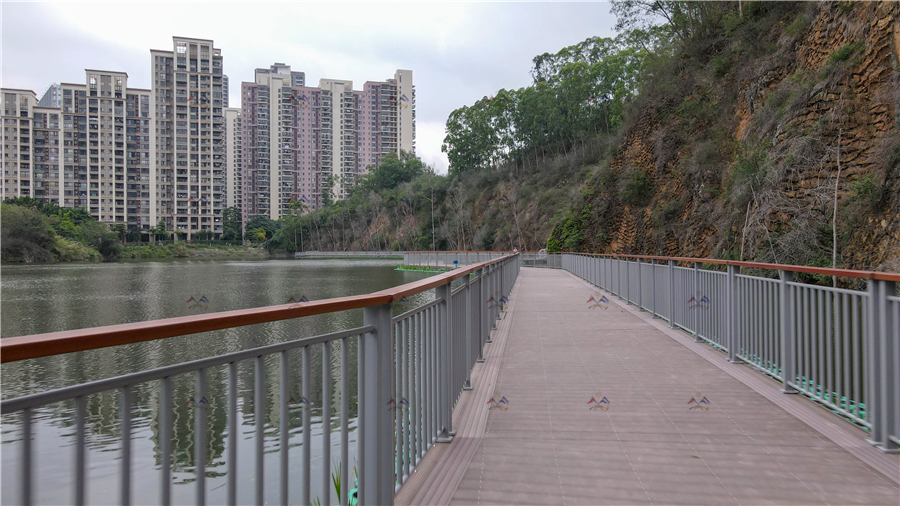
Technical Details and Craftsmanship of High-Quality Floating Docking Systems
High-quality floating docking systems are defined by their technical precision and superior craftsmanship.
Modular design is a key technical feature. Modular systems allow for easy assembly, expansion, and reconfiguration. Each module is engineered to fit seamlessly with others, ensuring stability and structural integrity. DeFever’s floating docking systems use advanced modular designs, making them adaptable to various marina layouts and vessel sizes.
Buoyancy control is another critical technical aspect. The system must maintain consistent flotation even under heavy loads. Manufacturers achieve this through precise float placement and design. DeFever’s engineering team optimizes buoyancy for each floating docking system, ensuring stability in all conditions.
Safety features are integrated into top-tier systems. Non-slip decking, reinforced mooring points, and collision-resistant bumpers are standard. These features protect both vessels and users, reducing the risk of accidents.
Craftsmanship is evident in the details. High-quality welding, precise cutting, and attention to material quality set premium floating docking systems apart. DeFever maintains strict quality control standards, ensuring every component of its floating docking systems meets the highest engineering benchmarks.
Why DeFever Stands Out in the Floating Docking System Market
In a crowded market, DeFever distinguishes itself through a commitment to quality, innovation, and customer satisfaction.
The brand’s decades of experience in the marine industry give it a deep understanding of yacht marina needs. DeFever’s floating docking systems are designed by marine engineering experts who prioritize functionality and durability.
Customization is a cornerstone of DeFever’s approach. The brand works closely with clients to create floating docking systems that fit their specific vessel types, marina layouts, and budget constraints. Whether you need a small private dock or a large commercial system, DeFever delivers tailored solutions.
Quality materials and craftsmanship are non-negotiable for DeFever. The brand uses only premium HDPE, marine-grade aluminum, and high-quality hardware in its floating docking systems. Rigorous testing ensures each system meets or exceeds industry standards.
Customer support is another area where DeFever excels. From initial consultation to installation and beyond, the brand’s team provides expert guidance and responsive service. This commitment to customer care has earned DeFever a loyal client base in the international yacht industry.
A high-quality floating docking system is an investment in the safety, efficiency, and longevity of your yacht marina. It offers flexibility, durability, and environmental benefits that traditional fixed docks cannot match. When selecting a system, consider factors like material, load capacity, customization options, and supplier reliability.
DeFever’s floating docking systems stand out as a top choice for yacht owners and marina operators worldwide. With a focus on quality, innovation, and customer satisfaction, the brand delivers solutions that meet the diverse needs of the international yacht industry. Whether you’re looking for a modular system for a private dock or a custom solution for a superyacht marina, DeFever has the expertise and products to exceed your expectations.
Frequently Asked Questions (FAQs)
Q1: How does a floating docking system handle rough water conditions like storms?
A1: A well-engineered floating docking system is designed to withstand rough water. Features like reinforced floats, flexible mooring connections, and wave attenuation technology help absorb the impact of waves and reduce movement. DeFever’s floating docking systems are tested to handle moderate to severe storm conditions, with buoyancy and stability features that minimize damage to both the dock and vessels. It’s important to choose a system rated for your region’s weather conditions and consult with the supplier on proper mooring techniques during storms.
Q2: Can a floating docking system be relocated if needed?
A2: Yes, most modular floating docking systems are designed for relocation. Their prefabricated components can be disassembled, transported, and reassembled at a new location. This flexibility is ideal for temporary marinas, event venues, or owners who move their yachts frequently. DeFever’s floating docking systems are highly portable, with lightweight modules that simplify relocation. However, relocation feasibility depends on the system’s size, weight, and original installation method—always consult with the supplier before planning a move.
Q3: What is the typical lifespan of a floating docking system?
A3: The lifespan of a floating docking system varies based on materials, maintenance, and environmental conditions. HDPE systems typically last 15-25 years, while aluminum systems can last 20-30 years with proper care. Concrete pontoons may have a lifespan of 30+ years but are less flexible. DeFever’s floating docking systems are built for longevity, with high-quality materials and craftsmanship that extend their service life. Regular maintenance, such as cleaning, inspecting for damage, and replacing worn parts, can further extend the system’s lifespan.
Q4: Are floating docking systems compatible with utility connections like power and water?
A4: Yes, most floating docking systems can be integrated with utility connections. Manufacturers offer optional fittings for power outlets, water hoses, fuel lines, and even wastewater disposal. These connections are designed to be waterproof and secure, ensuring safe operation on the water. DeFever can customize its floating docking systems to include utility connections, working with clients to determine their specific needs. It’s important to hire a professional to install utility connections to ensure compliance with safety standards.
Q5: How do I determine the right size of floating docking system for my yacht?
A5: To determine the right size, consider your yacht’s length, beam (width), and weight. The dock should be at least as long as your yacht, with extra space for boarding and maneuvering. The beam width will dictate the dock’s width—ensure there’s enough space on either side of the vessel for safe access. Weight capacity is also critical; the system must support the yacht’s displacement weight plus any additional load (passengers, equipment). DeFever’s team can help assess your needs and recommend the appropriate size floating docking system, taking into account your vessel’s specifications and intended use.
Q6: Do floating docking systems require permits or regulatory approvals?
A6: Yes, in most regions, installing a floating docking system requires permits from local marine authorities or environmental agencies. Regulations vary by location but often cover environmental impact, safety standards, and navigational rights. In some cases, you may need to conduct environmental assessments or obtain approval for mooring in public waters. DeFever can provide guidance on local regulations and assist with documentation to ensure compliance. It’s important to research permit requirements early in the planning process to avoid delays.
Q7: Can a floating docking system be used in shallow water?
A7: Yes, floating docking systems are suitable for shallow water, as they do not require deep anchoring like fixed docks. The minimum water depth required depends on the system’s float design and the draft of your yacht. Most systems can operate in water depths of 3-5 feet or more. DeFever offers floating docking systems designed for shallow water applications, with shallow-draft floats that minimize contact with the seabed. However, it’s important to ensure there’s enough water depth to prevent the yacht from grounding during low tides.