2026-10-15
The English marina has long been a cornerstone of the international yacht industry, blending historic coastal charm with cutting-edge marine infrastructure. From the sheltered harbors of the South Coast to the rugged beauty of the North Sea ports, these facilities cater to everyone from private yacht enthusiasts to commercial superyacht operators. DeFever, a trusted name in marine engineering, has supported several English marina projects over the years, delivering solutions that balance functionality with the unique environmental and regulatory demands of UK waters.
What Defines an English Marina?
An English marina is more than just a docking facility—it’s a purpose-built hub designed to accommodate yachts while adhering to strict UK marine standards. Unlike basic harbors, these sites offer comprehensive services, from mooring and maintenance to fueling and luxury amenities.
Location is a key defining factor. Most English marina sites are situated in sheltered bays, estuaries, or man-made harbors, providing protection from the unpredictable weather of the English Channel and North Sea. This shelter is critical for safeguarding vessels of all sizes.
Regulatory compliance also sets English marina facilities apart. They must meet standards set by the Maritime and Coastguard Agency (MCA) and environmental bodies, ensuring minimal impact on local ecosystems while maintaining safety for users.
Common Types of English Marina
English marinas cater to diverse needs, with types tailored to vessel size, usage, and location.
Coastal marinas are the most prevalent, dotted along England’s 3,000-mile coastline. Locations like Southampton, Poole, and Plymouth are home to large coastal marinas, offering deep water access and proximity to international shipping routes. These facilities often serve as gateways for yachts traveling between the UK, Europe, and beyond.
Inland marinas, found on rivers and canals like the River Thames or the Norfolk Broads, focus on smaller vessels and leisure boating. These English marina sites prioritize calm waters and scenic surroundings, attracting day-trippers and short-term moorers.
Superyacht marinas are a growing segment, designed to handle vessels over 24 meters in length. Locations like London’s St. Katharine Docks and Southampton’s Ocean Village feature extended pontoons, high-load capacity, and premium services—from concierge support to specialized maintenance. DeFever has contributed to superyacht marina projects in the UK, providing floating docking solutions that meet the rigorous demands of large vessels.
Engineering and Construction of English Marina
Building an English marina requires careful planning, with engineering focused on durability, environmental sustainability, and adaptability.
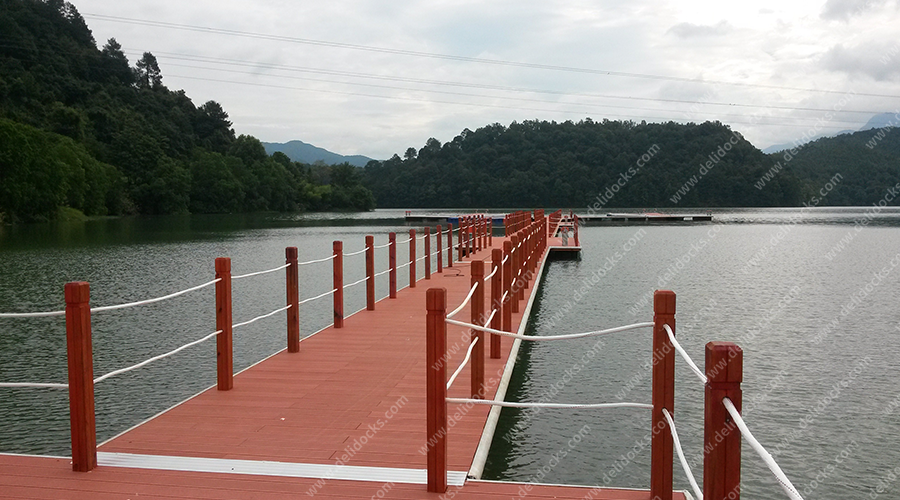
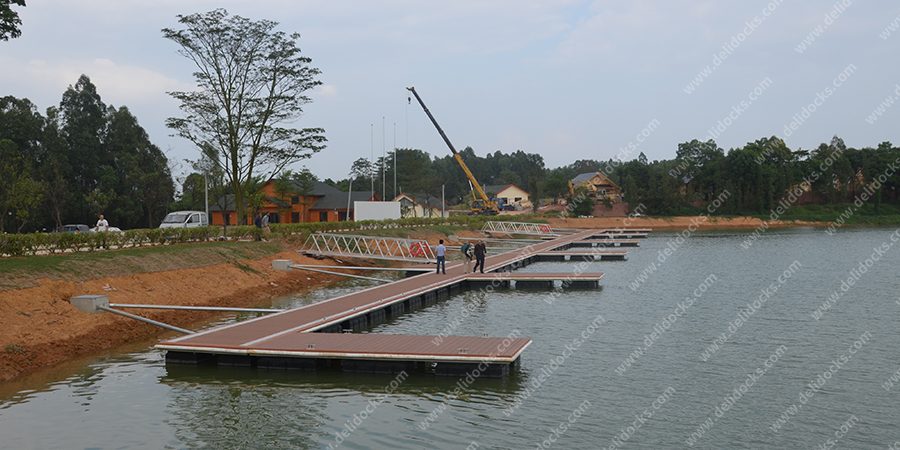
Foundational design starts with site assessment. Engineers evaluate seabed conditions, tidal ranges, and wave patterns to determine the most suitable structure. Most modern English marinas use floating pontoons made from HDPE or marine-grade aluminum, as these materials offer corrosion resistance and flexibility.
Tidal adaptation is critical in UK waters, where tides can vary by up to 7 meters in some areas. English marina engineering incorporates floating systems that rise and fall with water levels, ensuring consistent access to vessels and reducing stress on mooring lines. DeFever’s expertise in tidal adaptation has made its solutions a popular choice for English marina developers, particularly in high-tide areas like the Solent.
Environmental considerations are integral to construction. English marinas must comply with the UK’s Wildlife and Countryside Act, protecting habitats like seagrass beds and bird nesting sites. Construction methods minimize seabed disturbance, and many marinas now incorporate eco-friendly features like solar-powered facilities and rainwater harvesting.
Key Advantages of English Marina Facilities
English marinas offer unique benefits that make them stand out in the international yacht industry.
Prime locations are a major draw. Situated between Europe and the Americas, English marinas serve as ideal stopovers for transatlantic voyages. They also provide easy access to popular cruising grounds, from the English Channel to the Baltic Sea.
World-class facilities are standard. Top English marinas feature 24/7 security, modern mooring equipment, on-site maintenance workshops, and luxury amenities like restaurants, spas, and concierge services. Many also offer utility connections—power, water, and fuel—designed for the specific needs of yachts.
Regulatory reliability is another advantage. Yacht owners and operators value the strict safety and environmental standards of English marinas, which reduce risks and ensure compliance with international marine regulations.
Factors to Consider When Choosing an English Marina
Selecting the right English marina depends on your vessel type, usage, and priorities.
Vessel size is the first consideration. Small leisure boats may thrive in a cozy inland marina, while superyachts require the deep water and high-load capacity of specialized facilities. Always check the marina’s maximum vessel length, beam, and draft limits.
Location should align with your cruising plans. If you’re exploring the South Coast, marinas in Dorset or Devon may be ideal. For international travel, Southampton or Portsmouth offer direct access to open waters.
Amenities and services matter for long-term stays. Look for on-site maintenance, fueling stations, and storage options. Luxury features like Wi-Fi, laundry facilities, and proximity to towns or airports can enhance convenience.
Environmental credentials are increasingly important. Choose an English marina with eco-friendly practices, such as waste recycling, energy-efficient facilities, and habitat protection initiatives—these not only benefit the planet but also ensure compliance with evolving regulations.
DeFever’s Contribution to English Marina Projects
DeFever has established a strong presence in the English marina sector, bringing decades of marine engineering expertise to UK projects. The brand’s focus on durability and adaptability aligns perfectly with the demands of English waters.
DeFever’s floating docking systems are a natural fit for English marinas, offering superior tidal adaptation and corrosion resistance. These solutions have been integrated into coastal and superyacht marinas alike, providing stable, low-maintenance mooring for vessels of all sizes.
Customization is key to DeFever’s success in the UK. The brand works closely with English marina developers to tailor solutions to specific site conditions—whether navigating shallow estuaries or handling heavy superyacht traffic. This flexibility has made DeFever a trusted partner for both new marina builds and existing facility upgrades.
After-sales support further strengthens DeFever’s reputation. The brand provides ongoing maintenance guidance and technical assistance to English marina operators, ensuring their systems perform optimally for years to come.
An English marina represents more than just a place to dock—it’s a gateway to exploration, a hub for community, and a showcase of world-class marine engineering. Whether you’re a private yacht owner seeking a scenic mooring or a commercial operator in need of reliable infrastructure, English marinas offer the perfect blend of location, facilities, and compliance.
DeFever’s commitment to quality and customization has made it a valuable contributor to the English marina landscape. By understanding the unique challenges of UK waters and the needs of yacht owners, the brand continues to deliver solutions that elevate the functionality and sustainability of these vital marine facilities.
For anyone involved in the international yacht industry, an English marina is more than a destination—it’s a standard of excellence worth considering for your next voyage or mooring investment.
Frequently Asked Questions (FAQs)
Q1: What is the average cost of mooring a yacht at an English marina?
A1: Mooring costs vary based on vessel size, marina location, and amenities. For a 10-meter yacht, monthly mooring fees range from £200 to £600 in inland marinas and £400 to £1,200 in coastal or superyacht marinas. Long-term contracts often offer discounts, and some marinas include utilities in their fees. It’s best to contact specific English marinas for personalized quotes.
Q2: Can English marinas accommodate superyachts over 50 meters?
A2: Yes, several English marinas are equipped for superyachts over 50 meters. Facilities like Southampton’s Ocean Village, London’s Canary Wharf, and Poole Harbour offer deep water access, extended pontoons, and high-load capacity. These marinas also provide specialized services like crew accommodation, provisioning, and technical support tailored to superyacht needs. DeFever has supplied floating docking systems for some of these superyacht-friendly English marinas.
Q3: Do English marinas require advance booking for mooring?
A3: Advance booking is recommended, especially during peak seasons (May-September) and for long-term stays. Popular coastal and superyacht marinas often have limited availability, so booking 3-6 months in advance is advisable. Short-term mooring (1-3 nights) may be available on a walk-in basis, but this is not guaranteed—always check with the marina directly before arrival.
Q4: What environmental regulations must English marinas follow?
A4: English marinas must comply with several environmental regulations, including the Wildlife and Countryside Act 1981, the Marine and Coastal Access Act 2009, and EU-derived water quality standards. These regulations cover habitat protection, waste management, noise control, and pollution prevention. Many marinas also pursue voluntary certifications like the Green Blue Scheme, which recognizes eco-friendly practices in marine facilities.
Q5: Are English marinas accessible year-round?
A5: Most coastal English marinas are accessible year-round, with facilities designed to handle winter weather conditions. Inland marinas on canals or rivers may have limited access during periods of extreme cold or high water, but this is rare. Marina operators typically maintain pontoons, access roads, and facilities throughout the year, ensuring safe mooring and access even in winter.
Q6: Does DeFever provide maintenance services for its products in English marinas?
A6: Yes, DeFever offers maintenance support for its floating docking systems and related products in English marinas. The brand works with local service partners across the UK to provide on-site inspections, repairs, and upgrades. DeFever also provides detailed maintenance guides and technical support to marina operators, helping them keep their systems in optimal condition. For urgent issues, the brand offers responsive support to minimize downtime.
Q7: What amenities are typically available at a mid-range English marina?
A7: Mid-range English marinas offer a balance of practical and comfort amenities. Standard features include secure mooring, water and power connections, on-site restrooms and showers, a marina office, and basic maintenance services. Many also have a café or pub, laundry facilities, Wi-Fi, and parking. Some mid-range coastal marinas may offer fueling stations and boat hire services, making them suitable for both short stays and longer voyages.