2026-10-15
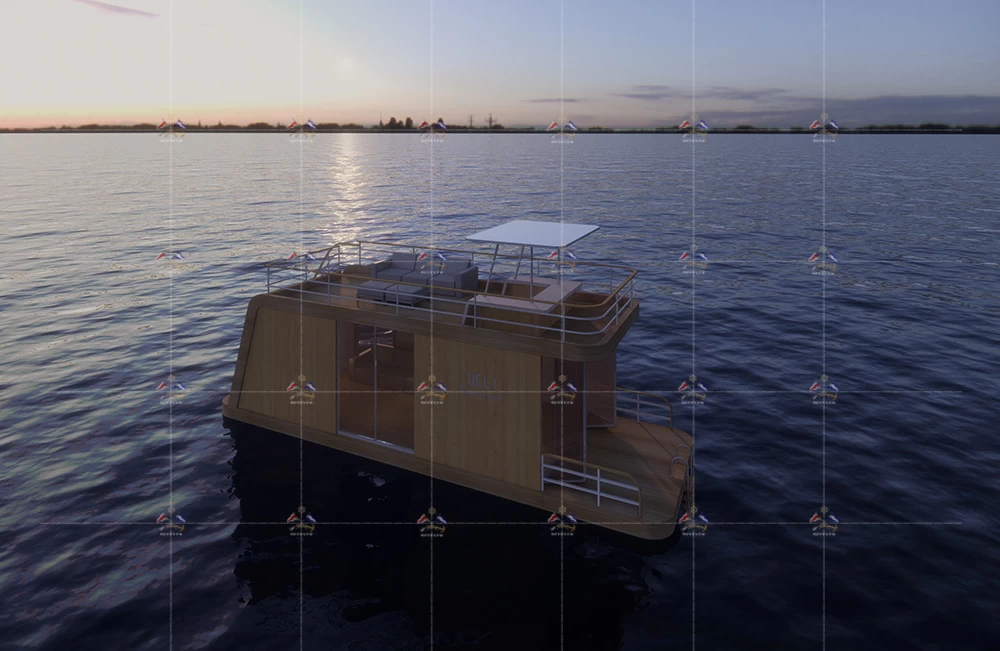
Living on the water is a dream for many, but turning that dream into reality requires more than just a boat; it requires a properly engineered floater home. Unlike a standard vessel, a floater home is a permanent residence that demands specific architectural and marine engineering considerations.
For those familiar with the high standards of marine craftsmanship found in brands like DeFever, the transition to understanding the quality required for a permanent floating structure comes naturally. It is about durability, stability, and mastering the environment.
This article looks at the engineering, construction, and lifestyle realities of owning a floater home.
What Exactly is a Floater Home?
A floater home is distinct from a houseboat. This is a common confusion in the marine world. A houseboat is generally a vessel with an engine, designed to move under its own power. It is registered as a boat.
In contrast, a floater home is a house built on a floating foundation. It usually does not have an engine. It is permanently moored in a marina or a designated water lot. It is plumbed and wired into the shore utilities, much like a land-based house.
In the world of marina engineering, the floater home represents a unique challenge. It must act like a building but survive like a boat.
The Foundation: Concrete vs. Plastic
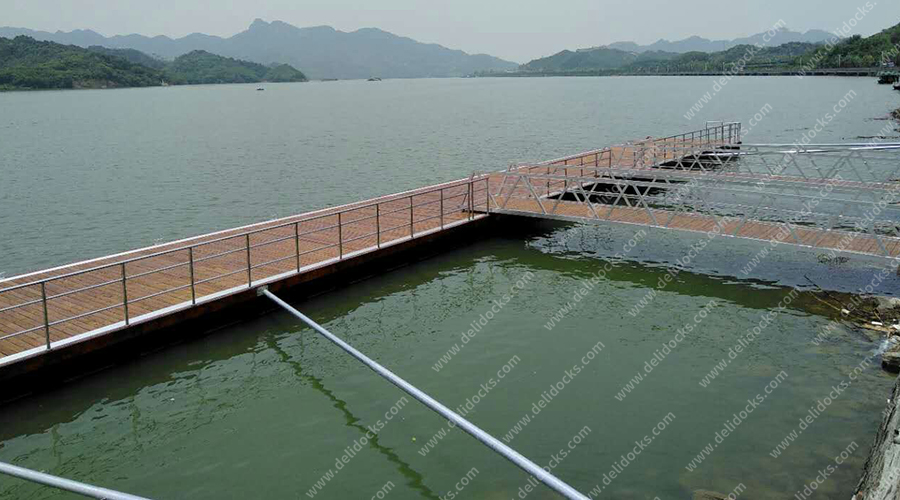
The most critical part of a floater home is what lies beneath the surface. The hull, or float, is the foundation.
In modern marina engineering, the preferred standard for a durable floater home is a concrete caisson. This is a hollow concrete box. It provides immense buoyancy. More importantly, it offers a low center of gravity.
A heavy concrete hull ensures the floater home does not rock violently when a wake hits it. It feels solid, much like standing on land.
Plastic or foam-filled pontoons are another option. These are cheaper and lighter. However, a floater home built on plastic pontoons will feel "nervous" in the water. It will bounce more. For a permanent residence, concrete is the superior engineering choice.
Stability and Center of Gravity
Engineers must calculate the hydrostatics of the floater home carefully. Unlike a yacht that cuts through waves, a floater home must ride over them or dampen them.
If the house structure is too tall or heavy on top, the floater home becomes unstable. This is known as being "tender."
To combat this, the hull often houses heavy systems like water tanks or sewage storage. This ballast keeps the floater home stable. It is similar to the design philosophy of a trawler, where weight down low equals comfort up high.
Mooring Engineering: Holding Fast
A floater home cannot just be tied up with a rope. It needs a permanent mooring system designed to handle high wind loads and changing water levels.
Common engineering solutions include:
Spud Piles: Steel pipes driven into the harbor floor. The floater home is attached to these via brackets that slide up and down.
Seaflex Systems: These are elastic rubber hawsers anchored to the seabed. They expand and contract with the tide. This dampens the motion of the floater home.
Strut Arms: Rigid steel arms connecting the floater home to the dock. These prevent side-to-side movement but allow vertical travel.
Utility Connections in a Marine Environment
Connecting a floater home to the grid is not simple. The connections must be flexible.
Electricity, water, and sewage lines must be able to move as the floater home rises and falls with the tide. If the engineering is poor, a low tide could snap a water pipe.
Most modern installations use flexible armored hoses and "S" loops in the cables. This creates slack. In colder climates, these utility lines for the floater home must be heat-traced to prevent freezing, as they are exposed to the cold air above the water.
The Influence of Marine Heritage
When designing the interior and spatial layout of a floater home, architects often look to classic yacht designs for inspiration.
Consider the layout efficiency of a DeFever cruiser. These vessels are legendary for utilizing every inch of space without feeling cramped. A well-designed floater home adopts this mindset. Built-in storage, multi-functional furniture, and durable materials are essential.
While a floater home has more space than a cruiser, the salt air and humidity require the same level of material quality found on a high-end yacht.
Pros of Owning a Floater Home
Why do people choose this life?
The View: No land-based house can compete with the view from a floater home. You are level with the water. The light reflects on your ceiling.
Community: Marina life is social. Floater home residents often form tight-knit communities. Everyone looks out for their neighbor’s lines and fenders.
Nature: You are closer to wildlife. Birds, fish, and seals become your daily neighbors when you live in a floater home.
Cons and Challenges
It is important to be realistic.
Maintenance: A floater home requires more maintenance than a land house. Saltwater is corrosive. You must inspect the hull. Metal fixtures will rust if not polished.
Moisture: Humidity is high. A floater home needs excellent ventilation systems to prevent mold.
Financing and Insurance: Banks can be hesitant to lend on a floater home. It is a niche market. Insurance premiums are also higher than standard home insurance due to the risk of sinking or storm damage.
Types of Floater Home Designs
Design preferences vary wildly in this sector.
The Traditional Cottage: These look like small cabins placed on a barge. They have pitched roofs and wood siding. They fit well in rustic marinas.
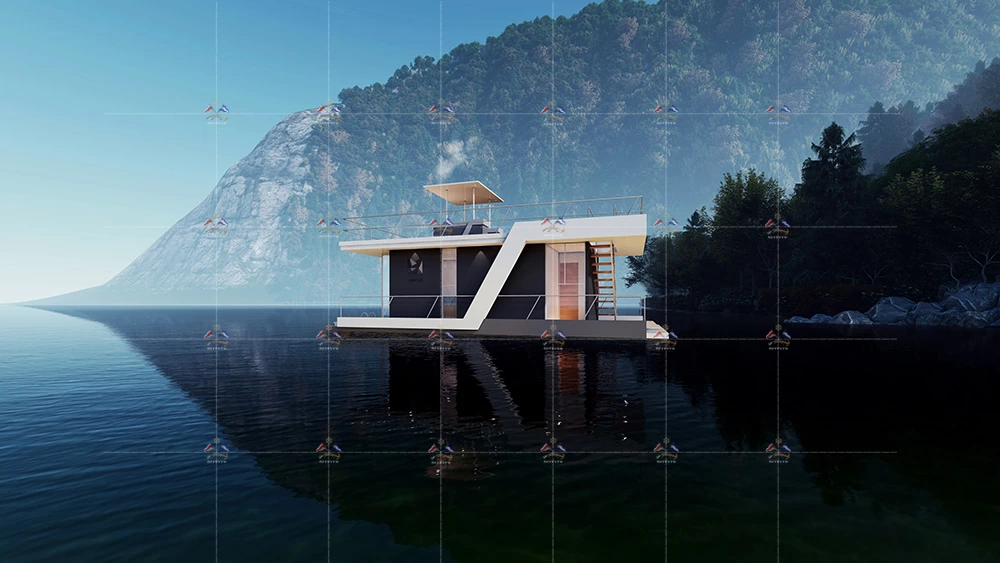
The Modern Box: Contemporary floater home designs favor flat roofs, glass walls, and steel siding. They look like floating apartments.
The Converted Barge: Some people take old industrial hulls and build a floater home on top. This offers character but often comes with hull maintenance issues.
Commercial Uses for the Floater Home
The concept is not limited to residential use.
Floating Offices: Companies seeking unique headquarters are building floater home style offices.
Vacation Rentals: A floater home makes for a high-value Airbnb rental. Guests love the novelty of sleeping on the water.
Restaurants: While technically floating barges, the engineering principles are identical to a large floater home.
Material Selection for Durability
A floater home faces a harsh environment. Standard house paint and untreated wood will fail quickly.
Builders use marine-grade stainless steel (316 grade) for exterior fittings. Siding options often include fiber cement or cedar, which naturally resists rot.
For the deck of a floater home, composite decking is preferred over wood. It does not splinter and resists water absorption.
The Regulatory Landscape
Before building a floater home, one must navigate a maze of permits.
Marinas have strict rules on the dimensions of a floater home. There are height restrictions to preserve views for neighbors.
Environmental agencies regulate the shadow cast by the floater home to protect marine life on the sea floor. You also cannot discharge grey water directly into the marina; it must be pumped out.
Costs of Building a Floater Home
Is a floater home cheaper than a house? Not necessarily.
While you do not buy land, the cost of the "water lot" (usually a long-term lease) is high. The construction cost per square foot for a floater home is typically higher than land construction.
This is because getting materials to a floating site is difficult. Contractors charge a premium for working over water. The specialized concrete hull of the floater home is also a major upfront expense.
Why Engineering Matters Most
If you cut corners on the engineering of a floater home, you risk safety.
A poorly balanced floater home can list to one side. A weak mooring attachment can fail in a winter storm.
Professional marine engineers ensure the center of buoyancy aligns with the center of gravity. They calculate windage—the force of the wind pushing against the side of the house. A tall floater home acts like a sail. The moorings must be strong enough to hold it.
Future Trends in Floater Homes
The industry is becoming greener.
New floater home designs feature solar panels and rainwater collection systems. Some are even exploring "off-grid" living with desalination units.
We are also seeing modular construction. The floater home is built in a factory, trucked to the water, placed on the hull, and towed to the site. This reduces construction waste and time.
Owning a floater home is a unique adventure. It combines the comfort of a home with the dynamic nature of the sea. It requires a respect for engineering and a willingness to adapt to the environment.
Whether you are inspired by the rugged reliability of a DeFever or simply want to wake up to the sound of waves, the floater home lifestyle offers a freedom that land cannot provide. But remember: a good foundation and expert engineering are the keys to keeping that dream afloat.
Frequently Asked Questions (FAQ)
Q1: How long does a floater home hull last?
A1: If built with marine-grade concrete, the hull of a floater home can last 50 to 100 years with minimal maintenance. Steel hulls require dry-docking and painting every 10-15 years, while plastic pontoons have a shorter lifespan and are less durable for large structures.
Q2: Do I have to pay property taxes on a floater home?
A2: This depends on the jurisdiction. in many places, a floater home is considered personal property (like a car or boat) rather than real estate, so you might pay a personal property tax. However, you will likely pay monthly moorage fees to the marina, which can be significant.
Q3: Can a floater home withstand a hurricane or severe storm?
A3: A properly engineered floater home is designed to rise and fall with storm surges. However, they are vulnerable to high winds. Most are built in protected marinas with breakwaters. If the mooring engineering is correct, they are very safe, but direct hits from hurricanes can damage the superstructure.
Q4: How is sewage handled on a floater home?
A4: You cannot dump sewage into the water. A floater home typically has a holding tank in the hull. A pump system pushes the waste through a flexible hose into the marina’s municipal sewer connection on the dock. It functions just like a city sewer connection.
Q5: Can I get a mortgage for a floater home?
A5: It is more difficult than a standard house. Because a floater home is often classified as personal property, traditional mortgages may not apply. You may need a "chattel loan" or a specialized marine loan, which often requires a higher down payment and has a higher interest rate.