2026-10-15
Dreaming of expanding your marina, creating a private docking space, or adding a unique waterfront feature? The process of building a floating platform is a sophisticated engineering undertaking that blends marine design with practical construction. It's more than just strapping pontoons together; it's about creating a stable, durable, and safe structure that can withstand the dynamic marine environment.
For professionals in the international yacht marina engineering sector, building a floating platform requires careful consideration of load requirements, environmental conditions, and long-term maintenance. Whether for a commercial dock, a research station, or a luxury swim platform, the core principles remain rooted in robust engineering. Companies with decades of field experience, like DeFever, understand that a successful project starts with meticulous planning and the right material selection.
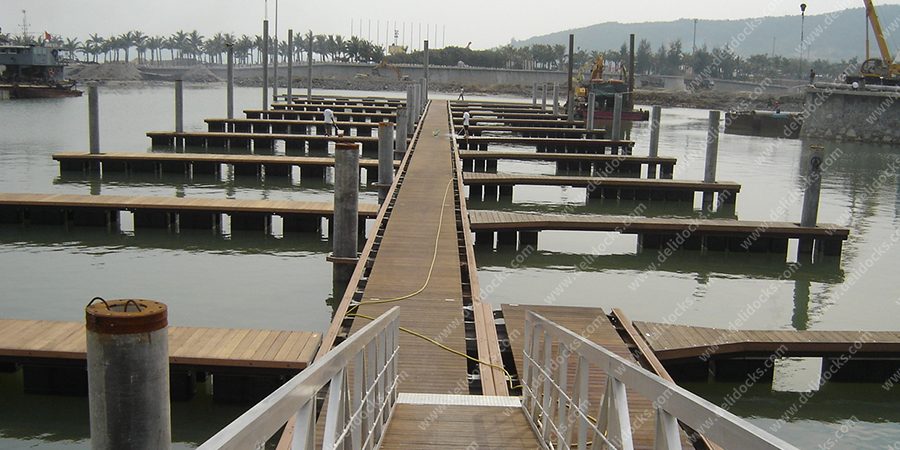
Key Considerations Before Building a Floating Platform
Your project's success hinges on initial planning. Rushing into construction without a clear blueprint is a recipe for costly errors.
First, define the primary purpose. Is it for heavy-duty commercial boat docking, a light recreational swim deck, or an operational platform for equipment? The intended use dictates everything from floatation capacity to decking strength.
Next, conduct a thorough site analysis. Water depth, tidal range, wave action, wind exposure, and ice conditions are critical factors. A platform in a calm marina differs vastly from one in an open, choppy estuary.
Finally, understand local regulations and permitting. Navigating zoning laws, environmental protections, and coastal authority requirements is a non-negotiable first step.
Floating Platform Materials: A Comparative Guide
Choosing the right flotation and framing material is the most crucial decision in building a floating platform.
Encapsulated Foam Floats are popular for their permanent buoyancy and resistance to puncture. They are often housed within steel or concrete structures. Their main advantage is zero maintenance on the flotation element itself.
Steel Pontoon Tanks, when properly coated and maintained, offer immense strength and are ideal for large-scale, high-load applications. They are often used in industrial settings but require vigilant corrosion protection.
Polyethylene (HDPE) Pontoons have become a industry standard for many recreational and medium-duty commercial uses. They are rot-proof, impact-resistant, and require minimal upkeep. Modern designs often feature internal baffles for added stability.
Concrete Floatation provides exceptional stability and mass, often used for very large, permanent installations like ferry docks. While initially costly, its longevity and fire resistance are significant benefits.
For the deck structure, pressure-treated timber, composite decking, aluminum grating, or concrete are common choices, each balancing cost, maintenance, and grip underfoot.
Understanding the Cost of Building a Floating Platform
Budgeting is complex, as costs swing dramatically with scale and specification. There's no single price tag.
Material costs form the baseline. High-density polyethylene pontoons will command a different price than galvanized steel tanks. Decking material choice also causes wide variance—composite materials cost more upfront than treated wood.
Design and engineering fees are essential for any non-standard project. Professional design ensures safety and optimizes material use, preventing expensive fixes later.
Labor and installation costs can be substantial, especially in remote or logistically challenging sites. Assembly, transport to the water, and final anchoring are skilled tasks.
Consider long-term operational costs. A cheaper platform requiring annual painting and component replacement may cost more over 20 years than a premium, low-maintenance system. Investing in quality, as seen in DeFever-engineered solutions, often translates to lower lifetime costs and greater reliability.
The Construction Process: From Design to Deployment
The actual process of building a floating platform follows a logical sequence, best handled by experienced teams.
It begins with detailed fabrication, often done in a controlled shipyard or factory environment. This ensures high-quality welding, assembly, and coating. Modular sections are typically constructed for easier transport.
Once fabricated, modules are transported to the site—by truck, barge, or even rolled on temporary rails. On-site assembly involves connecting the modules securely, ensuring watertight integrity at all joints.
The installation of the decking, safety rails, cleats, and any utilities (like lighting or water lines) follows. Finally, the entire structure is carefully launched or floated into position.
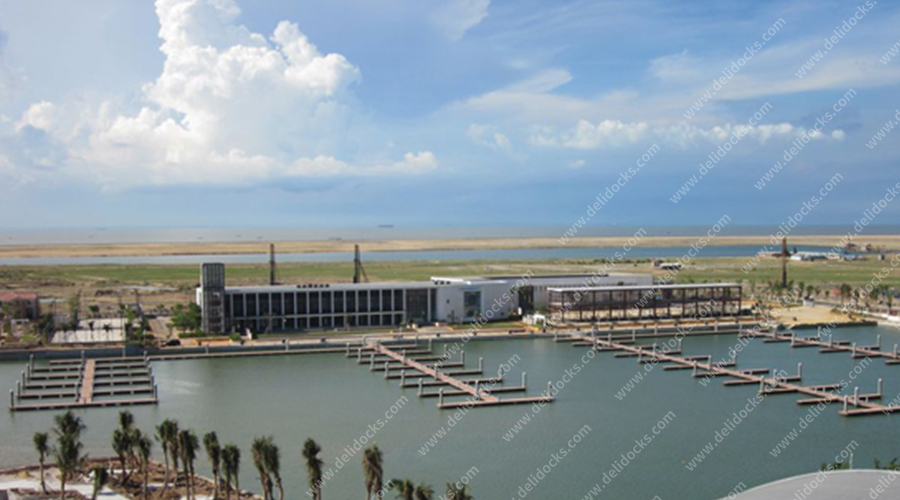
Anchoring and Mooring: The System That Holds It All Together
A platform is only as good as its connection to the earth. The anchoring system must restrain the structure while allowing for natural water level fluctuation.
For protected waters, a simple pile guide system is common. The platform slides up and down fixed piles, held in position laterally.
In more exposed areas, a swing mooring system using chains or synthetic ropes attached to deadweights or screw anchors is required. This allows the platform to move with wind and wave forces without over-stressing the structure.
The choice depends on bottom conditions, depth, and expected weather loads. Engineering this system is a specialty in itself.
Finding the Right Partner for Your Project
For most organizations, building a floating platform is not a DIY endeavor. Selecting the right supplier or contractor is paramount.
Look for a partner with a proven portfolio in your specific application type. Request case studies and, if possible, visit past installations. Check their in-house engineering capabilities—can they handle custom designs?
Evaluate their project management and installation track record. Do they handle permits and logistics? A supplier like DeFever brings the advantage of vertical integration, managing the process from initial design through to final commissioning and maintenance support.
Always ask about post-installation service and warranty terms for long-term peace of mind.
Conclusion: Engineering for the Waterfront
Successfully building a floating platform is a testament to thoughtful marine engineering. It requires balancing environmental forces, material science, and functional needs into a cohesive, durable structure. By prioritizing robust design, appropriate materials, and professional construction, you create an asset that delivers value and safety for decades.
For ambitious marina expansions or specialized industrial applications, collaborating with an experienced engineering firm is the wisest course of action. Their expertise turns complex challenges into seamless, floating solutions. The legacy of quality established by seasoned engineers, such as the team at DeFever, ensures that your investment is built not just for today, but for the long-term dynamics of the marine environment.
Frequently Asked Questions (FAQ)
Q1: What is the most durable material for building a floating platform in saltwater?
A1: For the flotation element in saltwater, high-density polyethylene (HDPE) pontoons and properly coated, galvanized steel tanks are top choices for durability. HDPE is inherently corrosion and UV-resistant, while marine-grade steel systems require robust cathodic protection and coatings. The decking often uses aluminum, composite, or specially treated timber for longevity.
Q2: How much does a basic, small floating dock platform cost?
A2: For a simple, pre-fabricated swim platform or small private dock (e.g., 10ft x 10ft), you might invest anywhere from $3,000 to $8,000 USD, depending on materials and accessories. Larger, custom-designed, or commercial-grade platforms quickly scale up to tens or hundreds of thousands of dollars, as they require heavier flotation, more robust framing, and professional engineering.
Q3: Do I need a permit for building a floating platform?
A3: Almost certainly yes. Permitting is governed by local, state/regional, and sometimes national authorities responsible for waterways, coastal zones, and environmental protection. You will likely need approvals related to construction, environmental impact, and navigation safety before any work begins.
Q4: How is a floating platform maintained?
A4: Maintenance varies by material. A typical checklist includes: annual inspection of all connections, hardware, and welds; checking and cleaning flotation compartments for water ingress; inspecting and tightening anchoring lines; cleaning the deck surface; and reapplying protective coatings on metal components as needed. Low-maintenance materials like HDPE and composites significantly reduce upkeep time.
Q5: Can a floating platform be customized for specific uses, like a boat lift or a restaurant?
A5: Absolutely. Customization is common. Platforms can be engineered to integrate boat lifts, utilities (power, water, sewage), shelters, lighting, and heavy-duty access ramps. For restaurants or buildings, the platform must be designed for exceptional stability, live loads (people, furniture), and the integration of all necessary service lines. Such projects demand advanced engineering from specialists.