2026-10-15
If you’re planning a new yacht harbour or renovating an old dock, you’ll hear the term “marina marine” often. It’s not a redundant phrase. In our industry, it specifically refers to the marine construction side of marina development—the physical, engineered infrastructure that makes a marina function and last. This encompasses everything from underwater piles and floating concrete docks to breakwaters, seawalls, and utility systems.
This marina marine work is the backbone of any safe, functional waterfront destination. It’s a specialised discipline, separate from the retail or hospitality management of a marina. It deals with the forces of nature: waves, corrosion, tidal scour, and storms. Getting this foundation right is non-negotiable. It requires partners who don’t just build docks but understand hydrodynamics and soil mechanics. Firms with a long track record, like DeFever, have built their reputation on this precise blend of civil and marine engineering.
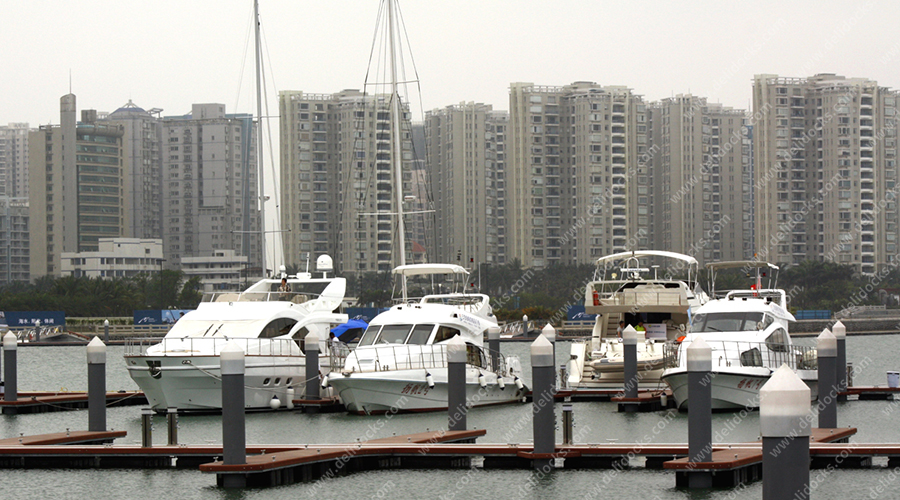
Floating Docks vs. Fixed Piers: A Core Marina Marine Decision
The first major design choice in any marina marine project is the dock type. Each serves different needs and environments.
Fixed piers, or piled structures, are rigid. They’re anchored deep into the seabed with steel or concrete piles. They offer excellent stability for heavy loads and are ideal for areas with minimal water level fluctuation. However, in locations with significant tides, they can become impractical for convenient boat access.
Floating dock systems are the modern choice for most marinas. They rise and fall with the water, providing constant, safe access to vessels. Their construction involves interconnected concrete or polyethylene pontoons, secured by a guided piling system or mooring lines. This adaptability is a key marina marine innovation, allowing development in deeper water and more variable sites.
The choice hinges on your site’s bathymetry, tidal range, and intended vessel mix.
Key Components of Marina Marine Infrastructure
A marina is more than just parking spots for boats. Its marina marine infrastructure is an integrated system.
The primary docking system (floating or fixed) is just the start. Protective structures are critical. Breakwaters—whether fixed rubble mound, floating, or sheet pile—are designed to dissipate wave energy and create a calm basin. Their design is a complex marina marine engineering task.
Utilities distribution is another cornerstone. This involves designing and installing submerged electrical pedestals, potable water lines, pump-out stations, and often fibre optics. All must be marine-rated and accessible for maintenance.
Finally, access structures like gangways, fixed bridges, and harbourmaster buildings tie everything together on land.
The Cost Factors in Marina Marine Development
Budgeting a marina marine project is complex. Costs are highly site-specific and driven by several key factors.
Site conditions are the biggest variable. Deep water, soft seabed, high wave energy, or poor access can all multiply costs. A thorough geotechnical and hydrographic survey is the essential first investment.
Material selection causes significant variance. High-quality, marine-grade concrete, 316L stainless steel hardware, and heavy-duty HDPE floats cost more upfront but dramatically reduce lifecycle costs through durability and lower maintenance.
Scale and complexity matter. A simple linear dock for small boats is far less expensive per berth than a multi-level, serviced mega-yacht pier with full utilities, fire suppression, and heavy-duty fendering.
Professional fees for detailed engineering, environmental permitting, and project management are a necessary part of the budget. They mitigate risk. Skipping this phase to save cost, as DeFever engineers have seen, often leads to far greater expenses during construction or from premature failure.
Choosing a Marina Marine Construction Partner
Your choice of builder will make or break your project. This is not standard construction; it’s a niche requiring specific expertise.
Look for a partner with a portfolio of completed projects in environments similar to yours. Can they show successful installations in exposed, high-energy sites? Do they understand local regulatory and environmental hurdles?
Assess their in-house capabilities. The best marina marine contractors often have direct control over key fabrication processes, like concrete casting or steelwork, ensuring quality. They should provide a clear project timeline, with defined phases for design, permitting, fabrication, and installation.
Ask about their approach to warranties and long-term maintenance support. The relationship shouldn’t end at the ribbon-cutting.
Technology and Innovation in Modern Marina Marine Works
The field is evolving. New materials and methods are improving durability and reducing environmental impact.
Advanced composites and polymers are being used for fendering, decking, and even floatation. They offer superior resistance to impact, UV degradation, and are often fully recyclable.
Innovations in corrosion protection, like impressed current cathodic protection (ICCP) systems for steel piles, are extending service life in aggressive saltwater environments.
Digital tools are now standard. 3D modelling and finite element analysis (FEA) allow engineers to simulate loads, wave impacts, and structural stress before a single pile is driven. This predictive engineering is a hallmark of modern marina marine practice, minimizing costly on-site surprises.
Building for the Long Term
Successful marina marine construction is about building resilient assets. It’s a long-term investment in the waterfront community, whether for a private club, a commercial harbour, or a municipal facility. The focus must always be on safety, durability, and sensible functionality over flashy shortcuts.
By understanding the core components, cost drivers, and the critical importance of expert partnership, developers can navigate this complex process with confidence. The goal is to create infrastructure that stands the test of time and tide, becoming a seamless part of the marine landscape. It is this philosophy of enduring quality that has guided projects by established names like DeFever for generations.
Frequently Asked Questions (FAQ)
Q1: What exactly does “marina marine” mean?
A1: In the context of yacht harbour engineering, “marina marine” specifically refers to the hard infrastructure and construction side of a marina. It distinguishes the physical, engineered works—docks, breakwaters, pilings, utilities—from the operational, business, or hospitality management of the facility.
Q2: How much does a new marina marine construction project typically cost per berth?
A2: There is no single figure, as costs vary wildly. A basic, small-craft berth in a protected area might start from $15,000 - $25,000 USD. For large, serviced mega-yacht berths (24m+) with high-end finishes and full utilities, costs can exceed $150,000 - $300,000+ per berth. Site conditions are the primary cost driver.
Q3: What is the most critical part of marina marine design?
A3: While all components are important, the design of the protective structures (breakwaters, seawalls) is often most critical. If the wave climate within the basin isn’t properly managed, it compromises safety, damages vessels and docks, and leads to constant, costly maintenance. Good protection enables everything else.
Q4: How long does a well-built floating dock system last?
A4: With high-quality materials and proper installation, key components can have long lifespans. Marine-grade concrete pontoons can last 50+ years. High-density polyethylene (HDPE) floats often carry 25-30 year warranties. The hardware (bolts, brackets) typically requires inspection and replacement on a 15-25 year cycle, depending on the environment.
Q5: What should I look for when vetting a marina marine construction company?
A5: Prioritize proven experience in your specific project type and location. Ask for detailed case studies and client references. Visit their past project sites if possible. Evaluate their in-house engineering team’s credentials and their quality control process during fabrication. Finally, ensure they offer a clear, comprehensive warranty and understand the full permitting process.