2026-10-15
Owning waterfront property unlocks a world of leisure, but direct access to the water often hinges on one critical structure: a pier. The decision to build a pier is a significant investment in both your property’s value and your lifestyle. It’s more than just a platform over water; it’s a gateway to boating, fishing, and tranquil moments. For yacht owners, particularly those who appreciate the long-range capabilities of a DeFever trawler, a well-built pier is the essential home base.
This process involves navigating design choices, engineering considerations, and local regulations. A successful project balances personal vision with practical and environmental realities. Whether for docking a vessel or simply enjoying the sunset, understanding what it takes to build pier structures is the first step toward realizing your waterfront dream.
Understanding the Types of Piers
Before breaking ground, you must choose the right pier type. The local environment, water depth, bottom conditions, and intended use dictate this choice.
Fixed piers are supported by piles driven firmly into the seabed. They offer immense stability and are ideal for locations with minimal water level fluctuation. They are the go-to choice for permanent, heavy-duty docking, easily supporting utilities like water and power.
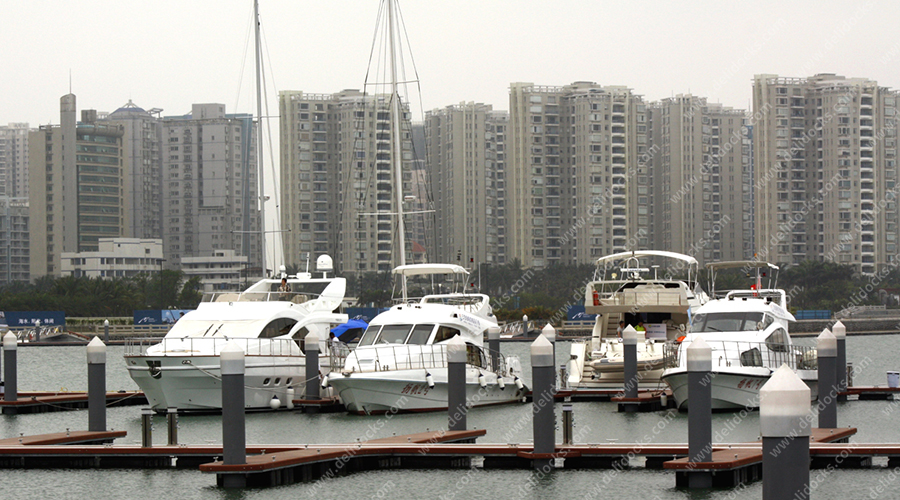
Floating piers, or docks, rise and fall with the water level. They are perfect for tidal zones or reservoirs with variable water levels. Their modularity allows for flexible configurations. Connection to the shore is achieved through a hinged gangway, ensuring smooth operation in all conditions.
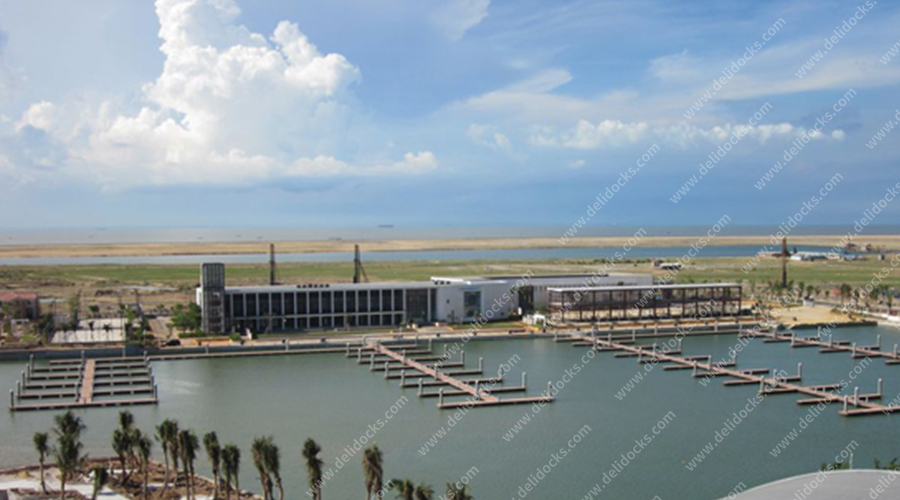
Combination systems often work best. A fixed main pier head might connect to shore via a long floating dock. This design provides stable mooring while accommodating significant water level changes. For large projects like an international marina serving various vessels, a mix is common.
The Construction and Engineering Process
To build pier correctly, a structured, phased approach is non-negotiable. Skipping steps leads to cost overruns and failure.
It starts with a professional site survey and feasibility study. Engineers assess soil composition, water currents, wave action, and environmental constraints. This data informs the design, ensuring the structure can withstand local forces, from ice to storm surges.
Design and permitting follow. Architects and engineers create detailed plans, specifying materials and load ratings. The permitting phase is critical, involving multiple agencies overseeing coastal management, environmental protection, and navigation. This stage can be lengthy but is essential for compliance.
Procurement involves sourcing materials suited for the marine environment. Treated timber, composite decking, galvanized steel, and high-density polyethylene floats are standard. Quality here determines longevity.
Finally, marine construction begins. Using barges and specialized equipment, crews drive piles, assemble frameworks, and install decking. Precision is key for alignment and level. Electrical and water systems are installed with marine-grade components for safety. For a brand like DeFever, whose yachts are built for serious cruising, having a pier with robust utility hookups is a valuable asset.
Advantages and Potential Drawbacks
Building a private pier comes with clear benefits. It dramatically increases property utility and resale value. It provides safe, convenient, and private access to your boat, be it a ski boat or a capable offshore cruiser. It creates a new living space for recreation and social gatherings. For serious mariners, it means having a dedicated, secure home berth.
However, challenges exist. The upfront capital cost is substantial, encompassing not just materials and labor, but also engineering and permits. Ongoing maintenance—inspecting for corrosion, replacing worn deck boards, cleaning—is a permanent commitment. Environmental impact must be minimized, often requiring special construction methods. Storms can cause severe damage, necessitating insurance and resilient design.
Primary Uses in the Modern Context
The purpose of a pier has evolved. While boat docking remains primary, modern piers serve multiple roles. They are fishing platforms, swim decks, and outdoor dining areas. In a commercial or community setting, they form the core of a marina, supporting tourism and local business. For larger yachts, a deep-water pier with heavy-duty cleats and fendering is a necessity, not a luxury. It’s the interface between land and voyage.
Designing for Lasting Appeal and Function
A successful pier blends into its surroundings. Choices in materials, colors, and layout affect both aesthetics and function. Wide decks allow for furniture movement. Thoughtful lighting enhances safety and ambiance. Incorporating features like built-in seating, rod holders, or a small boat lift customizes the space. The goal is a structure that feels like a natural extension of your property, inviting you to use it daily. It should be as thoughtfully considered as the vessel it serves, much like the meticulous design found in a DeFever pilothouse.
To build pier is to engage in a classic form of marine architecture. It connects your terrestrial life to the aquatic world. By respecting the engineering demands and environmental context, you create a durable and cherished asset. It becomes the starting point for countless journeys and the peaceful retreat at journey’s end.
Frequently Asked Questions (FAQ)
Q1: What is the most critical first step when I want to build a pier?
A1: The absolute first step is a professional site survey and consultation with marine engineers. Understanding your specific water depth, bottom conditions, wave energy, and legal setbacks is essential. This informs everything that follows and prevents costly mistakes.
Q2: How long does it typically take to get permits to build a pier?
A2: The permitting timeline varies wildly by location but often takes between 6 to 18 months. It involves multiple local, state, and sometimes federal agencies overseeing environmental protection, coastal zoning, and public water use. Never begin construction without all permits in hand.
Q3: Are floating docks less durable than fixed piers?
A3: Not necessarily. Modern floating docks use UV-resistant plastics, marine-grade aluminum, and composites that offer exceptional durability with minimal maintenance. Their advantage is weathering water level changes without stress. Fixed piers are incredibly robust but can be more vulnerable to extreme wave action in certain environments.
Q4: Can I build a pier myself, or must I hire a professional?
A4: While small, simple docks might be a DIY project for the very skilled, most pier construction requires professional marine contractors. The specialized equipment (pile drivers, barges), engineering knowledge, and understanding of marine codes make professional installation strongly advisable for safety, compliance, and longevity.
Q5: What ongoing maintenance should I budget for after I build a pier?
A5: Annual maintenance is key. Inspect and tighten all hardware. Check for wood rot, corrosion on metal parts, or wear on floating components. Clean decking to prevent mildew and slipperiness. Regularly inspect electrical systems for corrosion. Having a professional marine inspection every 3-5 years is a wise investment.