2026-10-15
Dreaming of life on the water? A custom houseboat is the ultimate key to freedom. But the journey from dream to reality hinges on one critical partner: your houseboat builder.
Choosing the right houseboat builder is the most important decision you will make. This isn't just a purchase; it's a collaborative engineering project. You need a team that understands naval architecture, residential comforts, and your unique vision.
This guide walks you through the five essential steps to identify, evaluate, and select the perfect professional for your floating home. Let's dive in.
Why a Specialist Houseboat Builder Matters
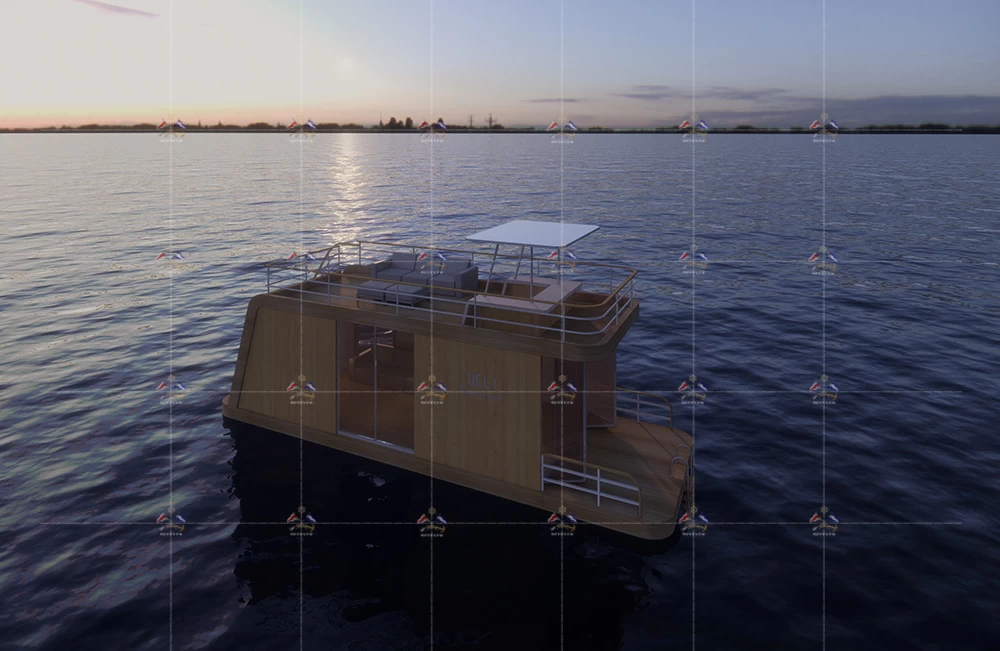
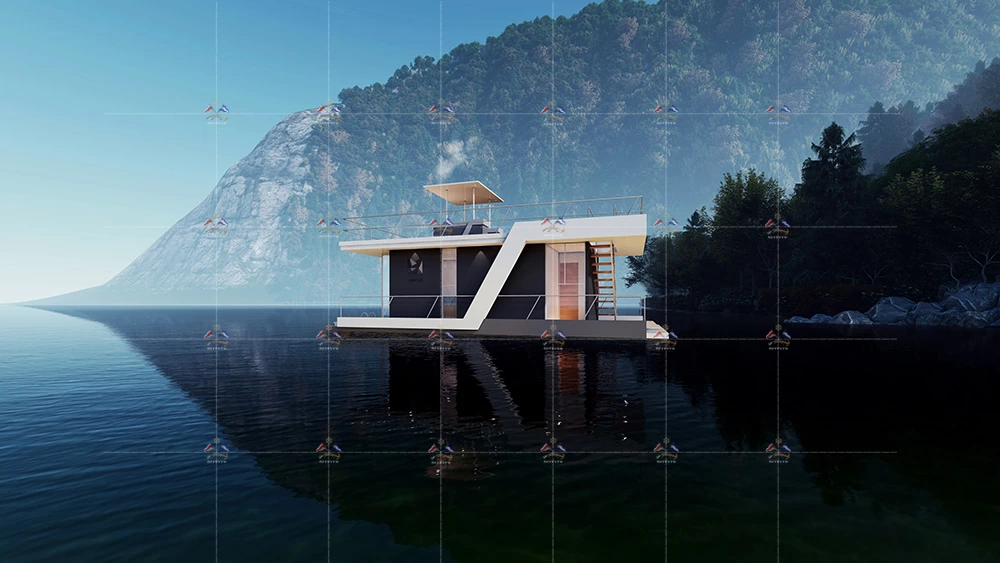
Not every boatyard can build a true houseboat. It's a hybrid discipline. A skilled houseboat builder must merge the seaworthiness of a vessel with the livability of a condo.
They handle complex systems: hull buoyancy, propulsion, heavy-duty electrical grids, plumbing, and waste management. Companies with legacy in sturdy, long-range craft, like DeFever, understand the principles of seaworthy design that directly translate to safe, stable houseboat platforms.
Choosing a general marine carpenter over a dedicated custom houseboat builder is a risky shortcut.
Step 1: Define Your "Why" and "Where"
Before you contact a single houseboat construction company, get crystal clear on two points.
Purpose: Is this a stationary vacation cottage, a weekender for protected lakes, or a coastal cruiser? Your use dictates hull design, power, and tankage.
Home Port: Where will it primarily live? A river, a calm lake, or a bay? Local regulations, weather conditions, and water salinity influence materials and design.
This clarity helps you shortlist houseboat builders with relevant experience. A builder expert in Great Lakes vessels might not be right for the Florida Keys.
Step 2: Research and Compare Builder Expertise
Look for a houseboat manufacturer with a proven portfolio. Don't just browse websites; dig deeper.
Specialization: Do they focus on floating homes (often towed to location) or powered, self-propelled houseboats?
Engineering Prowess: Examine their hull designs. Displacement hulls offer efficiency for cruising, while pontoon or barge-style hulls maximize interior space for stationary use.
Build Quality: Request to see a vessel in person. Inspect joinery, system installations, and finish details. Ask about their boat construction standards and materials.
Comparing houseboat builders side-by-side on these technical grounds separates the marketers from the true craftsmen.
Step 3: Understand Materials and Construction Methods
The choice of materials defines maintenance, longevity, and performance. A reputable houseboat builder will educate you on the options.
Aluminum: Light, strong, and ideal for custom shapes. Highly resistant to corrosion in freshwater. Requires specialized welding expertise.
Steel: Extremely robust and repairable. Common for larger, ocean-capable liveaboard vessels. Requires diligent painting and corrosion control.
Fiberglass: Low-maintenance and excellent for complex hull shapes. Often used for production-model houseboats or as superstructures on aluminum/steel hulls.
Discuss the pros and cons with each potential houseboat builder. The best material depends on your budget, location, and intended use.
Step 4: Navigate Budgets and Price Transparency
Houseboat cost is highly variable. A basic stationary model differs vastly from a luxury cruiser. When discussing price:
Get Detailed Quotes: A quote should break down hull construction, systems installation (engines, generators, electrical), interior fit-out, and finishes.
Ask About "Owner-Supplied" Items: Can you supply your own appliances or electronics? Some houseboat builders are flexible, which can offer savings.
Plan for Contingency: Any custom project has unforeseen changes. Budget an additional 10-15% over the quoted price.
The cheapest houseboat builder is rarely the best value. Invest in quality engineering—it’s cheaper than major repairs later.
Step 5: The Personal Connection and Contract
You'll work closely with your houseboat builder for months or even years. Personality and communication are key.
Visit Their Shipyard: Gauge their organization, team, and current projects.
Check References: Talk to past clients. Ask about the building process, problem-solving, and after-sales support.
Review the Contract Thoroughly: It must include detailed specifications, a stage-payment schedule linked to verified milestones, change-order procedures, and a clear delivery timeline.
A trustworthy houseboat builder, like the seasoned teams behind DeFever designs, operates with transparency and views your project as a long-term partnership.
Finding the Right Houseboat Builder for You
Start your search within the international yacht marina engineering community. Attend boat shows, especially those featuring liveaboard and custom vessels. Engage with online forums dedicated to houseboat living.
Look for builders who are members of professional marine industry associations. Their adherence to codes and standards is a good sign.
Remember, you're not just hiring a contractor; you're commissioning a lifelong dream. The right houseboat builder becomes the cornerstone of that dream, ensuring it's not only beautiful but also safe, functional, and built to last.
Frequently Asked Questions (FAQ)
Q1: What is the average lead time for building a custom houseboat?
A1: Lead times vary significantly based on the builder's backlog and the complexity of your design. Generally, expect a minimum of 12 to 18 months from contract signing to delivery. Detailed design and engineering alone can take several months before construction even begins.
Q2: Can I design my own houseboat and have a builder construct it?
A2: You can provide concepts, but a reputable houseboat builder will insist on employing their own or a partnered naval architect. They must translate your ideas into a structurally sound, seaworthy, and compliant vessel. Your ideas guide the process, but the final plans require professional engineering.
Q3: Are houseboats difficult to insure?
A3: Insurance can be more complex than for a standard home or car. Insurers will scrutinize the houseboat builder's reputation, the vessel's design, construction materials, and intended mooring location. Using an established, professional houseboat manufacturer greatly simplifies this process.
Q4: What are the ongoing maintenance demands for a steel vs. aluminum houseboat?
A4: Steel houseboats require vigilant anti-corrosion maintenance, including periodic inspection and repainting of the hull, especially in saltwater. Aluminum hulls are largely corrosion-resistant in freshwater but can suffer from galvanic corrosion in marinas without proper isolation. Your houseboat builder should advise on a maintenance schedule.
Q5: How does working with a custom houseboat builder differ from buying a production model?
A5: A production model offers set designs and faster delivery at a potentially lower cost. A custom houseboat builder offers a fully personalized project. You control the layout, systems, and finishes, but you also manage a longer, more involved process with a higher budget. It's the difference between buying a house and architecting one from the ground up.