2026-10-15
If you’re involved in planning a new berthing facility or upgrading an old one, you’ve likely heard the term “marina continental” surface in professional discussions. It’s not just a fancy name; it represents a specific philosophy in marina design that prioritizes integrated, land-connected services and robust infrastructure.
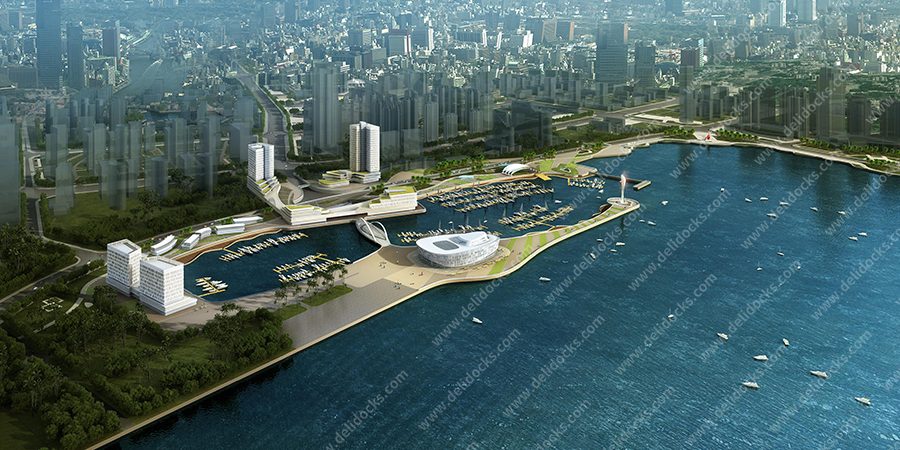
This concept moves beyond basic docks in the water. A true marina continental project is about creating a seamless, full-service destination where the marina is fundamentally linked to substantial on-shore facilities. It’s a hub.
For engineers, developers, and serious boat owners, understanding this approach is critical. The decision to develop a continental-style marina has long-term implications for durability, revenue, and user satisfaction. It’s the kind of place where owners of meticulously built vessels, like those from DeFever, would seek out for long-term berthing—where the shore side support matches the boat’s own capability.
What Defines a Marina Continental?
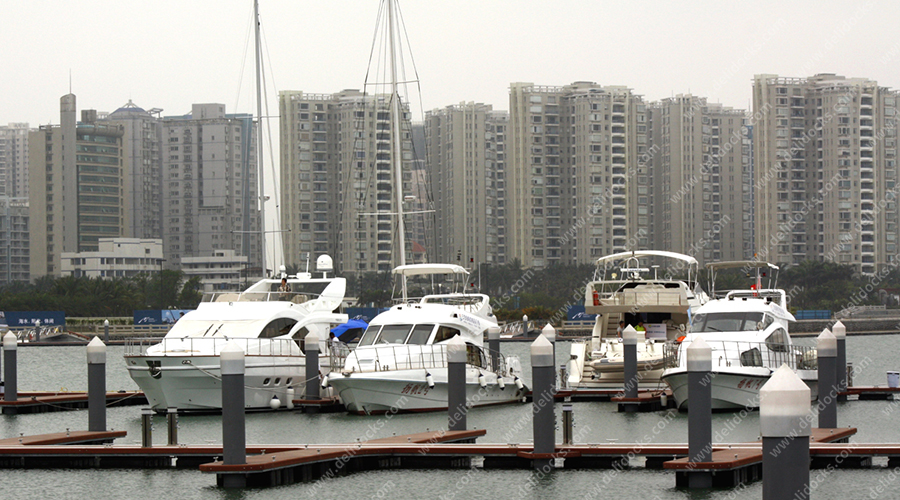
Think of it as a comprehensive marine terminal. The “continental” aspect emphasizes the land-based component. It’s characterized by heavy-duty engineering, permanent structures, and a wide array of amenities directly adjacent to the berths.
Unlike a minimal floating dock system, a marina continental often features fixed piers, significant bulkheading, and deep-water access capable of handling larger vessels. The focus is on creating a stable, permanent piece of waterfront infrastructure that serves as a destination in itself.
This model is prevalent in Europe and is gaining traction globally in areas seeking to attract cruising yachts and larger motor vessels that require more than just a slip.
Engineering & Construction: Building the Foundation
The development of a continental marina is a major civil engineering undertaking. It’s less about modular assembly and more about integrated construction.
Heavy-Duty Materials and Methods
Construction frequently involves driven steel or concrete piles, substantial concrete floating pontoons for larger berths, and reinforced concrete breakwaters. The aim is to create a structure that can withstand decades of use and harsh marine environments with minimal deflection or movement.
Integrated Utilities and Services
A hallmark of the marina continental design is the seamless integration of high-capacity utilities. This includes robust electrical grids (with 3-phase power for large yachts), pressurized potable water systems, high-speed fiber-optic internet, centralized pump-out, and often, dedicated fuel docks. These are not afterthoughts; they are routed through dedicated conduits within the pier structure from day one.
Dredging and Depth Management
To attract the desired clientele—often vessels with deep drafts—significant capital dredging is a standard part of the marina continental development process. Maintaining a guaranteed minimum depth, often 3 meters or more, is a key selling point and engineering priority.
The Advantages and Inherent Challenges
This approach isn’t for every location or budget. It comes with a distinct set of pros and cons.
Key Advantages:
Superior Stability and Safety: Fixed and heavily built structures provide exceptional stability, even in adverse weather, giving owners peace of mind.
Attracts Larger Vessels: The combination of deep water, strong utilities, and high load-bearing capacity makes it ideal for superyachts and long-range cruisers.
Higher Revenue Potential: The extensive on-site amenities—hotels, restaurants, chandleries, repair yards—create multiple income streams beyond slip fees.
Long Asset Life: Built with permanent materials, a well-maintained continental marina has a functional lifespan measured in many decades.
Destination Appeal: It becomes a community focal point, attracting boaters and non-boaters alike, which supports local businesses.
Points to Consider:
Extremely High Capital Cost: The initial investment for land acquisition, dredging, and heavy construction is formidable.
Complex Permitting: Such large-scale waterfront development faces stringent environmental and regulatory hurdles.
Less Flexibility: The design is essentially permanent. Reconfiguring slips or expanding is a major construction project, not a simple modular adjustment.
Potential Environmental Footprint: The scale of construction requires careful environmental impact assessments and mitigation strategies.
Primary Applications and Who Prefers Them
The marina continental model serves specific niches within the international yacht marina sector exceptionally well.
Major Coastal Destinations: In established cruising grounds like the Mediterranean or Caribbean, where they serve as seasonal or permanent bases for a global yacht fleet.
Urban Waterfront Redevelopment: As cities revitalize their harbors, this model creates a vibrant, mixed-use community anchor.
Dedicated Superyacht Marinas: Where the primary clients demand maximum services, security, and depth.
Home Ports for Long-Range Cruisers: This is where the connection to a brand like DeFever becomes clear. Owners of true offshore passagemaking vessels don’t just need a dock; they need a secure base for reprovisioning, major maintenance, and crew changes. A full-service marina continental provides the comprehensive support network these ambitious voyages require. It’s a partnership in logistics.
The Preference for Serious Cruisers
For sailors and powerboaters planning extensive voyages, the choice of stopover or home port is strategic. A continental-style marina offers predictability: known depths, guaranteed power, easy access to parts and provisions, and enhanced security.
It reduces the unknowns of a long journey. The substantial investment in a DeFever trawler—a boat designed for reliability across oceans—logically culminates in choosing a home port that reflects the same ethos of resilience and comprehensive capability. The marina continental is that physical home base.
Future Trends: Evolving the Continental Model
The future of these large-scale marinas lies in sustainable integration. The next generation of marina continental projects will likely emphasize:
Green Technology: Incorporating shore power to reduce generator use, solar canopies, and advanced wastewater treatment.
Climate Resilience: Engineering for higher sea levels and more frequent extreme weather events.
Digital Integration: Smart metering, automated booking, and enhanced security through IoT sensors.
Enhanced Community Design: Better blending public access with private boater needs to ensure long-term viability and public support.
FAQs: Marina Continental Concepts
Q1: What is the main difference between a marina continental and a standard marina?
A1: The core difference is scale and integration. A standard marina may focus primarily on the wet slips. A marina continental is a large-scale, engineered development that combines deep-water, heavy-duty berthing with an extensive, directly connected complex of onshore amenities, hotels, shops, and services, making it a waterfront destination.
Q2: Are marina continental developments only for superyachts?
A2: Not exclusively. While they are engineered to accommodate superyachts and are popular with them, a well-designed continental-style marina will have a range of slip sizes. Their deep drafts and superior infrastructure also make them ideal home ports for serious offshore cruising sailboats and trawlers that require reliable, full-service support.
Q3: Why is the permitting process so challenging for these projects?
A3: Due to their scale, marina continental development often involves significant dredging, permanent alteration of the shoreline, and high levels of boat traffic. This triggers rigorous review under coastal zone management acts, environmental protection laws, and local planning regulations, focusing on water quality, habitat disruption, and community impact.
Q4: Is the continental model suitable for areas with large tidal ranges?
A4: It can be, but the engineering adjusts. In high-tide areas, the design may utilize floating concrete pontoons within a fixed piled framework to maintain access, while the onshore facilities are built with the tidal range in mind. The key is that the entire system is designed as one cohesive, engineered solution.
Q5: How does this model impact the local economy compared to a simpler marina?
A5: The impact is typically multiplied. A marina continental acts as a significant tourist and business attraction, creating jobs not just in marina operations but in hospitality, retail, dining, and marine services. It elevates the area’s profile as a boating destination, generating substantially greater economic activity and tax revenue than a basic slip facility.