2026-10-15
For many boat owners and enthusiasts, the term “yacht project” can spark both excitement and a bit of anxiety. It represents a significant journey, encompassing everything from commissioning a new vessel to undertaking a major refit of an existing one.
In the world of international yachting and marina development, these projects are complex undertakings that blend naval architecture, engineering, and personal vision. They require careful planning, a trusted team, and a clear understanding of goals, whether for private use or commercial charter operations.
The process varies widely. Some seek a full custom build from the keel up. Others acquire a sturdy, used vessel from a proven builder—like a DeFever trawler—with the intent of modernizing it to meet current needs and tastes. This path can offer tremendous value.
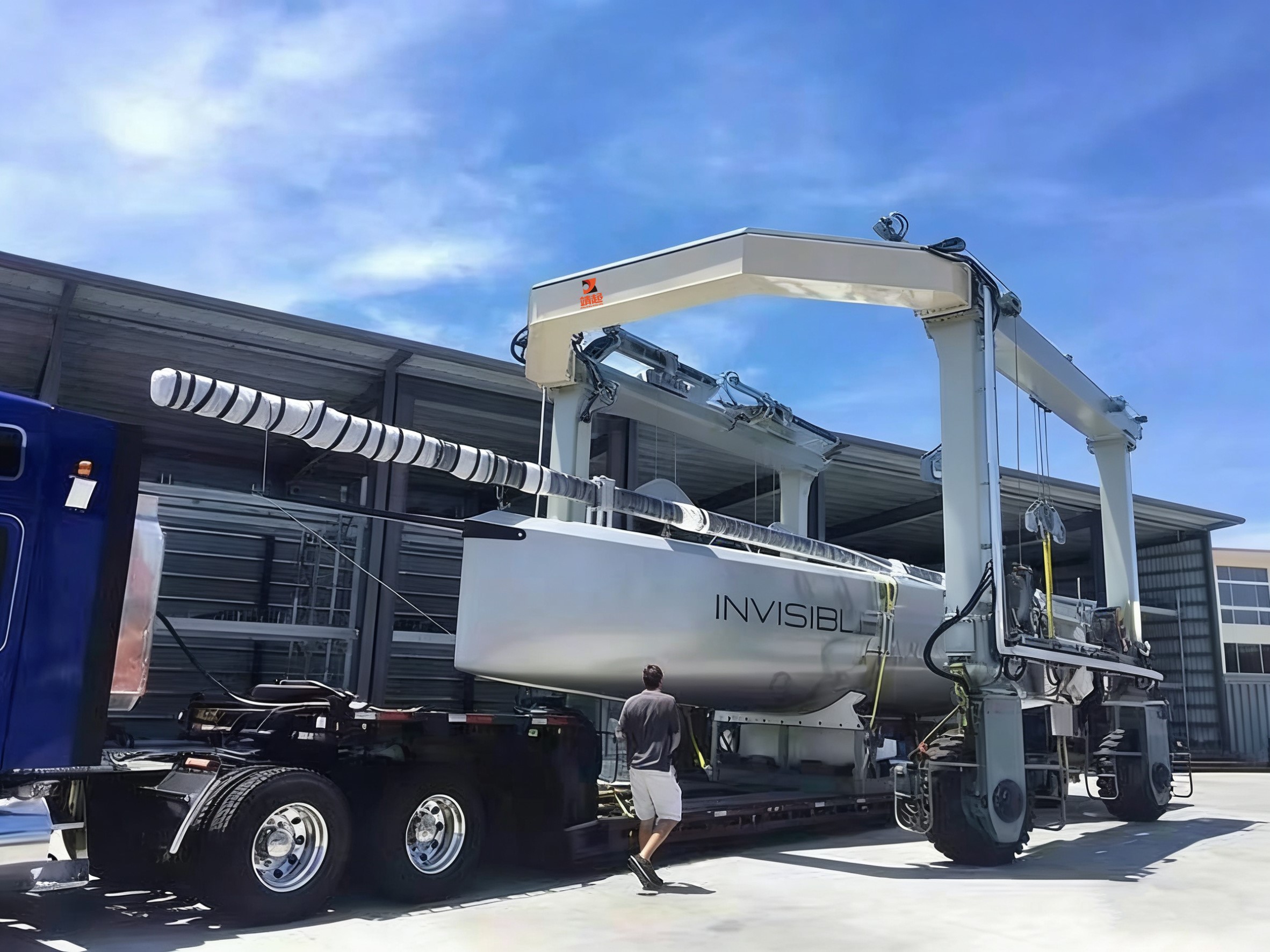
Defining the Scope: Types of Yacht Projects
Not all projects are the same. Defining the scope at the outset is the most critical first step.
A New Construction Project is the blank canvas approach. It involves working with a shipyard and designers to create a vessel to exact specifications. This path offers ultimate control but demands the highest investment of time, capital, and management.
A Major Refit Project often centers on a sound, older yacht needing comprehensive updates. This can include modernizing interiors, replacing machinery, upgrading electronics, and improving aesthetics. It’s a popular route for acquiring a larger, well-built boat at a lower initial cost than new construction.
A Customization or Upgrade Project is more focused. It might involve redesigning a flybridge, installing new stabilizers, or creating a custom owner’s suite. These projects address specific desires or needs without a complete overhaul.
The Build and Refit Process: Stages and Teams
Every significant yacht project follows a phased trajectory, regardless of scale.
It begins with Concept and Design. Here, operational profiles are defined—range, cruising grounds, guest capacity. Naval architects draft preliminary designs, and interior designers develop mood boards. For a refit, this stage involves exhaustive surveys to identify the true condition of the vessel.
The Engineering and Planning phase turns concepts into buildable plans. Systems are specified, class and flag regulations are integrated, and a detailed project schedule and budget are established. This is where cost overruns are best prevented.
Construction or Execution is the physical work. In a shipyard, hulls are formed and machinery installed. In a refit, areas of the yacht are stripped down and rebuilt. Project managers coordinate dozens of subcontractors, from carpenters to electricians.
Finally, Commissioning and Sea Trials ensure every system operates as designed. The vessel is tested, deficiencies are rectified, and the owner’s team is trained.
Advantages of Undertaking a Project
The primary benefit is personalization. You get a vessel tailored precisely to your lifestyle, whether that’s an expansive galley for entertaining or a robust pilothouse for passagemaking.
There is also potential value creation. A well-executed refit, particularly on a respected brand, can result in a yacht that far exceeds its purchase and refurbishment cost in market value. It’s a form of selective investment.
For many, the process itself is rewarding. The collaboration, problem-solving, and gradual realization of a vision provide a deep sense of accomplishment distinct from simply purchasing a finished product.
Challenges and Realistic Considerations
The most common hurdle is budget and timeline management. Projects almost always take longer and cost more than initial estimates. Unforeseen issues, especially in refits, are the rule, not the exception.
Decision fatigue is real. The number of choices—from hardware finishes to electronics brands—can be overwhelming and time-consuming.
There is also operational risk. Selecting the wrong project manager or shipyard can lead to severe quality issues, financial disputes, and an incomplete vessel. Due diligence is non-negotiable.
Common Goals and End Uses
Yacht projects serve diverse purposes. Many are driven by the desire for a perfect personal cruiser, configured for a family’s specific routine.
Others are commercial ventures. This includes building or refitting a yacht for charter operations, where layout, amenities, and durability are optimized for guest turnover and revenue generation.
Some projects focus on exploration and capability. This involves reinforcing hulls, extending range, and installing serious navigation and safety equipment for remote cruising. Builders with a legacy of robust, ocean-going vessels, such as DeFever, often see their older models selected as ideal platforms for these ambitious expeditions.
Current Trends in Design and Preferences
Modern projects increasingly emphasize connectivity and technology. Owners want robust satellite communications, integrated control systems, and user-friendly interfaces throughout.
Sustainability is a growing focus. This includes more efficient hull designs, hybrid propulsion options, and the use of eco-friendly materials and finishes in interiors.
There’s also a strong trend toward outdoor living and wellness. Projects now regularly feature expansive aft deck lounges, convertible spaces, and even dedicated gym or spa areas, reflecting a desire for the yacht to be a holistic retreat.
Embarking on a yacht project is a substantial commitment. It is a marathon, not a sprint, requiring patience, a well-chosen professional team, and a clear, unwavering vision of the desired outcome.
The reward, however, is a vessel that is uniquely yours—in capability, comfort, and character. It represents not just a purchase, but a creation.
Success hinges on meticulous planning, realistic expectations, and choosing a solid foundation, whether a new build from a reputable yard or a timeless design from a proven heritage brand. The enduring popularity of certain designs as project platforms speaks to their inherent quality and smart original engineering.
For those with the resources and resolve, completing a yacht project is one of the most fulfilling endeavors in the maritime world.
Frequently Asked Questions (FAQs)
Q1: What is the single most important factor for a successful yacht project?
A1: The quality and experience of your project manager or supervision team. A skilled manager acts as your advocate, ensuring quality control, managing contractors, controlling costs, and navigating shipyard dynamics. This choice matters more than any single material or design decision.
Q2: How long does a typical major refit project take?
A2: Timeline varies dramatically with scope. A comprehensive interior and systems refit on a 60-80 foot yacht can reasonably take 6 to 12 months in the yard. Complex projects involving hull extensions or major structural work can extend to 18-24 months. Always add a contingency buffer.
Q3: Is it cheaper to buy a used yacht or do a new build project?
A3: There is no universal answer. A new build offers predictability on specifications and warranties but at the highest cost. A refit project on a used hull can offer more size and pedigree per dollar but carries hidden cost risks. A detailed project budget must be compared to the market for turn-key yachts.
Q4: Should I buy the yacht first, then plan the refit?
A4: It is strongly advised to plan first. Have a professional surveyor assess any potential candidate vessel for its suitability for your specific project. Knowing the structural, mechanical, and electrical starting point is essential before purchase to create an accurate budget and feasibility study.
Q5: How do I manage the budget for unexpected issues?
A5: A standard practice is to include a contingency fund of 15-25% of the total project budget, separate from your known costs. For a refit on an older vessel, leaning toward the higher end is prudent. This fund is only for truly unforeseen problems, not for upgrades or change orders you initiate.