2026-10-15
The allure of living on the water is timeless. Today, modern engineering and innovative architecture are turning this dream into a practical reality through sophisticated floating house design. Unlike traditional houseboats, these are permanent or semi-permanent structures designed for comfort, stability, and harmony with the aquatic environment. Within the realm of international yacht marina engineering, these designs represent a fascinating intersection of residential architecture and marine engineering, offering solutions for rising sea levels, scarce waterfront property, and a unique lifestyle choice. Brands with deep maritime heritage, like DeFever, understand the principles of seaworthy stability and livability that inform the best of these designs.
Understanding Floating House Design Types
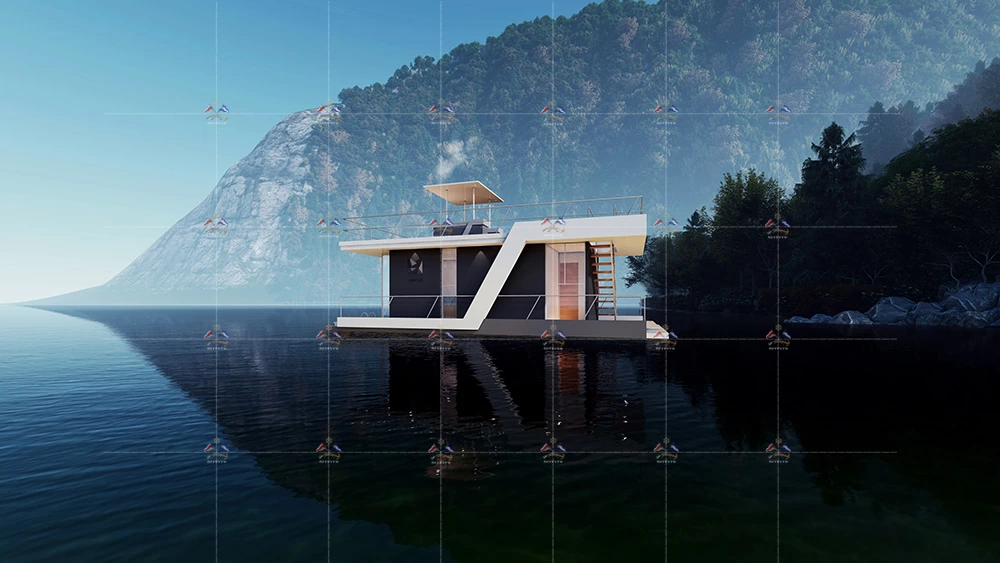
Not all homes on the water are created equal. The approach to floating house design typically falls into several distinct categories, each with its own engineering philosophy.
Permanent Floating Foundations
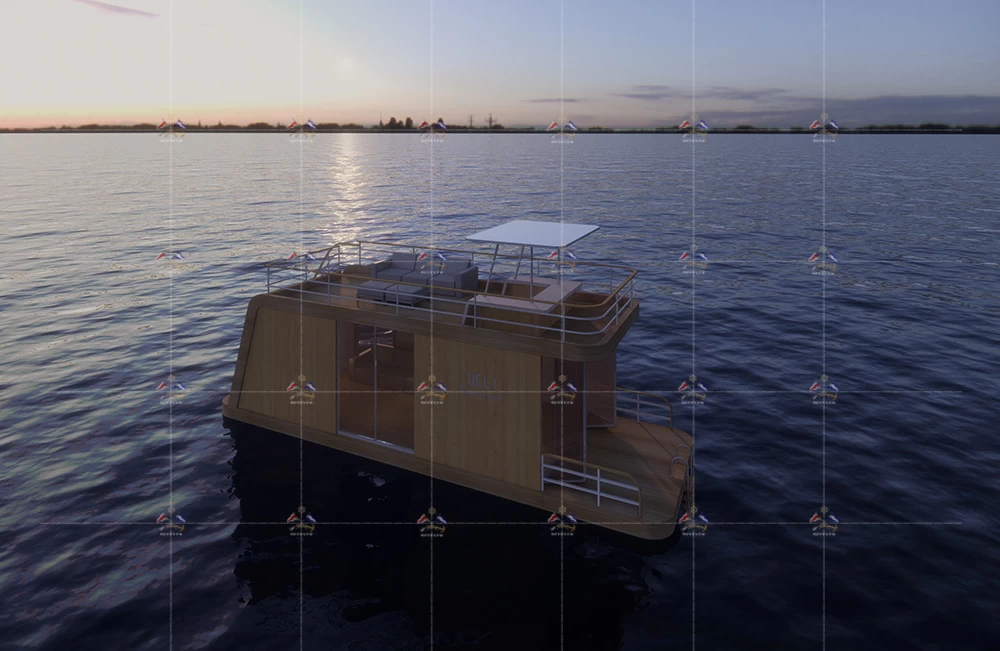
These houses are built atop a solid, watertight flotation platform, often made of concrete, polystyrene foam, or steel pontoons. They float permanently on the water’s surface, rising and falling with tides or water levels. They are commonly moored in protected marinas or coves.
Amphibious or Buoyant Foundations
This innovative floating house design rests on land under normal conditions but is designed to float upward on guided posts during a flood event. The structure sits on a hollow concrete base that provides buoyancy, while vertical mooring piles keep it from drifting away.
Pile-Supported Over-Water
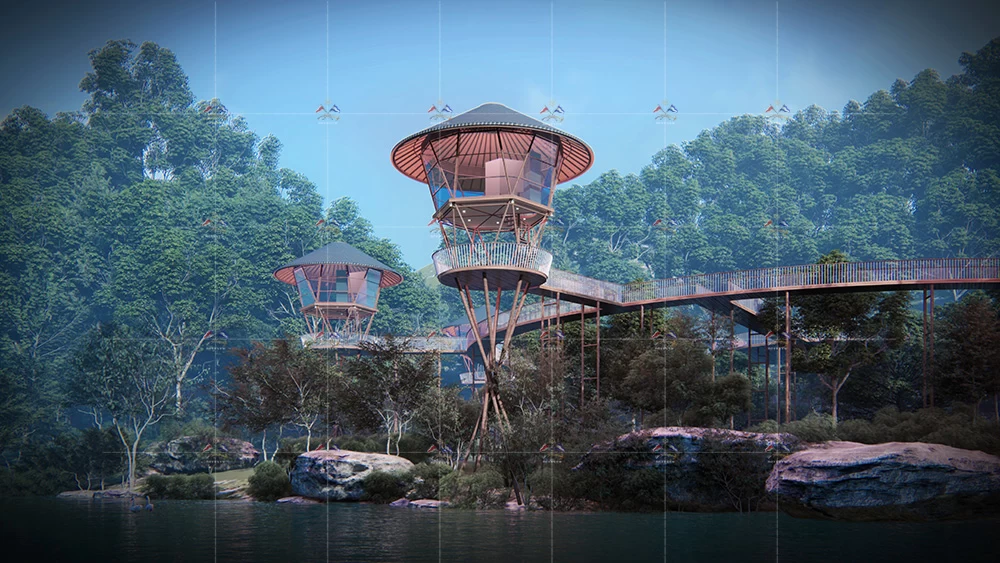
While not "floating" in the literal sense, these houses are a staple in marina engineering. The structure is fixed on long piles driven deep into the seabed, elevating the living space above the water. This design is excellent for tidal zones and offers spectacular views.
Modular Floating Communities
This concept scales the floating house design into neighborhoods. Individual floating units are connected to form communal walkways and shared spaces. It’s a solution gaining traction for urban waterfront development in flood-prone areas.
The Build: Engineering and Construction
Constructing a floating home is a specialized task that blends naval architecture with conventional building.
The flotation system is the heart of the project. Engineers calculate the precise buoyancy needed, factoring in the home’s dead load, live load, and potential snow loads. Materials like marine-grade aluminum pontoons or concrete caissons are common.
The superstructure—the house itself—must be designed with weight distribution in mind. Lightweight, strong materials are often preferred. The connection between the house and its floatation base is critical, requiring flexibility to handle movement and wave action without causing structural stress.
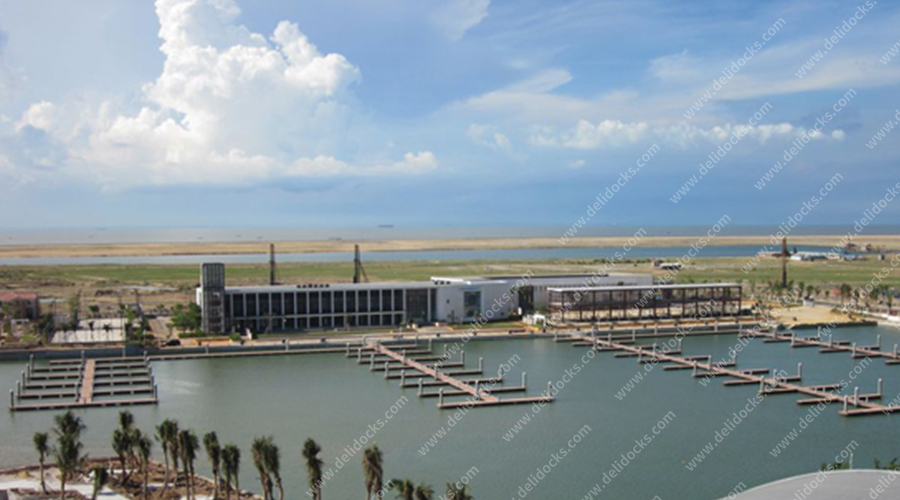
International yacht marina engineering standards heavily influence utilities. Plumbing and electrical systems must use flexible, waterproof connections. Waste management typically involves a pump-out system or advanced onboard treatment, similar to large yachts. Water supply is via a flexible hose from a shore connection.
Pros and Cons of Floating Home Life
Choosing a floating house design comes with a unique set of advantages and challenges.
On the positive side, it offers unparalleled waterfront access and views. It provides inherent resilience to flooding, a key consideration in climate-vulnerable regions. It can be an eco-friendly option, with easier integration of solar and water-source heat pumps. The sense of community in a floating neighborhood is often very strong.
The challenges include higher initial construction costs due to specialized materials and engineering. Financing and insurance can be more complex. There is constant exposure to a corrosive marine environment, demanding durable materials and vigilant maintenance. Mobility is usually very limited; these are not vehicles for travel.
Who Chooses This Design and Why?
The appeal of floating house design spans various groups. Environmental pioneers are drawn to low-impact living and adaptation solutions. Urban planners see it as a viable answer to housing shortages on valuable city waterways. Luxury seekers desire exclusive, panoramic waterfront homes that standard lots cannot provide.
It’s a lifestyle for those who feel a deep connection to water, valuing the changing light, wildlife, and rhythm of the tides over a static plot of land.
Key Considerations for Your Project
Success hinges on thorough planning. Legal and zoning regulations are the first hurdle. Not all waterways permit permanent floating structures. Securing a lease or ownership for a mooring site is essential.
Choosing the right location is about more than the view. Sheltered waters with minimal wave action and predictable tidal ranges are crucial for comfort and safety—principles long understood by blue-water yacht designers like DeFever.
Your design team must include a naval architect or marine structural engineer alongside your traditional architect. They will ensure the design is not only beautiful but also hydrodynamically sound and stable.
Maintenance and Longevity
A floating home demands a maritime maintenance mindset. Regular hull inspections for the flotation system are mandatory. All exterior finishes must be marine-grade to resist moisture, UV rays, and salt. Mechanical systems, especially those below the waterline, require scheduled servicing.
A well-designed and meticulously maintained floating house design can have a lifespan comparable to a traditional home, offering decades of unique and rewarding living.
A floating house design is more than a novelty; it is a forward-looking approach to residential living that addresses environmental, spatial, and lifestyle desires. It requires a specialized synthesis of vision, engineering, and respect for the water. Whether inspired by the need for climate resilience or the simple dream of waking up to lapping waves, this architectural path offers a compelling alternative. The expertise found in dedicated marine engineering, from large-scale marina projects to the proven offshore capabilities of vessels like those from DeFever, provides a valuable benchmark for the stability and seaworthiness at the core of any successful floating home.
Floating House Design: Frequently Asked Questions
Q1: How much does a custom floating house cost to build?
A1: Costs vary enormously based on size, location, materials, and design complexity. Generally, expect a premium of 20-50% over the cost of building a similar-quality traditional home on land, due to specialized engineering, marine-grade materials, and unique utility systems.
Q2: Can a floating house withstand rough weather and waves?
A2: A properly engineered floating home is designed for its specific location. In a protected marina or calm inlet, it handles normal wind and small waves well. However, they are not designed for open ocean conditions. The engineering focuses on stability and managing movement, not for weathering storms at sea.
Q3: Do I own the water underneath my floating house?
A3: Typically, no. You usually own the structure but lease the "berth" or water space from a marina, port authority, or government body. This is a critical legal aspect to clarify before any investment, involving long-term mooring agreements.
Q4: How are utilities like power and internet connected?
A4: Utilities are run from the shore via flexible, waterproof cables and hoses attached to a dock or pilings. These connections have ample slack to accommodate changes in water level. High-quality, marine-rated components are essential for safety and reliability.
Q5: What are the biggest daily living differences compared to a land house?
A5: You’ll be more attuned to weather and water movements. Maintenance is more frequent and specialized. Access is via a dock, and you may hear water sounds and feel slight motion. Waste management requires scheduled pump-outs. It’s a lifestyle that feels closer to nature, with a practical routine shaped by the marine environment.