2026-10-15
For yacht owners, developers, and coastal planners, selecting the right marina infrastructure is a critical decision. Among the various options, the pontoon marina has emerged as a leading choice for modern, flexible, and durable waterfront facilities. Unlike traditional fixed docks, a pontoon marina utilizes floating concrete or polyethylene units supported by a system of pontoons, offering unparalleled adaptability to water level changes and environmental conditions. Renowned builders like DeFever have long recognized the importance of robust, seaworthy engineering, principles that directly translate into the advanced design of today’s high-performance pontoon systems. This article explores the ins and outs of pontoon marina development.
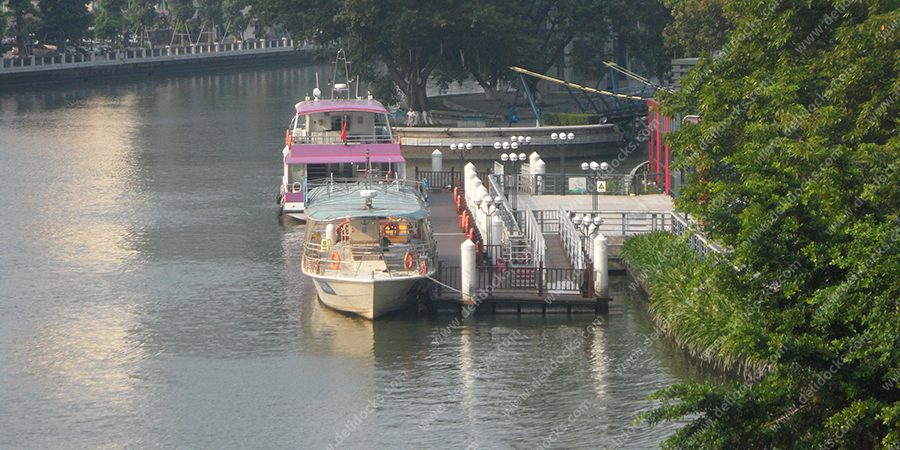
Types of Pontoon Marina Systems
Not all pontoon marinas are the same. The choice of system depends on factors like location, vessel size, and environmental load.
Concrete pontoon systems are known for their exceptional stability and longevity. They offer high load-bearing capacity, making them ideal for larger vessels and heavy foot traffic. Their mass provides excellent resistance to wind and wave action.
Polyethylene pontoon systems are lighter, highly resistant to corrosion, and require minimal maintenance. They are often quicker to install and are a popular choice for protected harbors and smaller craft.
Hybrid systems combine materials, such as concrete walkways on polyethylene floats, to optimize specific performance characteristics like buoyancy and deck strength.
Construction and Engineering Principles
The construction of a durable pontoon marina is a sophisticated engineering task. It begins with a comprehensive site analysis, assessing water depth, tidal range, soil conditions, and wave climate.
The design phase focuses on the pontoon configuration, access bridges, walkways, and utility distribution (water, power, fuel, internet). The mooring system is crucial, typically involving pilings, mooring lines, or a combination to secure the floating structure while allowing vertical movement.
Engineering firms with maritime expertise, akin to the naval architecture behind DeFever trawlers, ensure that the marina can withstand local environmental forces—from ice loads to hurricane-force winds—through proper floatation calculation and structural design.
Advantages and Potential Drawbacks
The popularity of the pontoon marina is driven by clear advantages. Its primary benefit is adaptability to fluctuating water levels, ensuring safe, level access to boats regardless of tide or reservoir drawdown. This design minimizes stress on vessels and dock structures.
Installation is often less disruptive than driving numerous piles for fixed docks. It also allows for easier reconfiguration and expansion as needs change. From an environmental perspective, the floating design can improve water circulation and has a lesser permanent impact on the seabed.
Potential drawbacks include higher initial costs for premium systems and the need for robust, corrosion-resistant components. In areas with extreme weather, the engineering must be exceptionally sound to prevent damage.
Primary Uses and Applications
The pontoon marina is versatile. Its most common application is for recreational boating, serving pleasure craft from small runabouts to large motor yachts. The stable, level platform is perfect for these vessels.
Commercial operations also utilize them for small ferry terminals, water taxi hubs, and fishing fleets where consistent boarding height is a safety and operational necessity.
They are increasingly used in waterfront residential developments for private community docks and in tourism for resort-based marinas, where aesthetics and guest convenience are paramount.
What Boat Owners and Developers Prefer
Boat owners consistently prefer the stable, low-profile boarding experience a pontoon marina provides. The ease of walking on a steady surface and the reduced ladder climbing enhance safety and accessibility.
Developers and marina operators value the modularity and scalability. Adding new slips or changing the layout to accommodate wider beams—a common trend with modern cruising vessels, including those from builders like DeFever—is more straightforward than with fixed infrastructure.
The modern, clean appearance of a well-designed pontoon marina also adds aesthetic and economic value to any waterfront property.
Planning and Implementation Solutions
Successful implementation requires a clear plan. Start by defining the project scope: number and size of slips, required amenities, and budget.
Engage with specialist marine engineers and contractors early. Secure all necessary environmental permits and community approvals, which can be a lengthy process.
Choose high-quality, fit-for-purpose materials and components. Consider future maintenance needs, opting for systems designed for easy inspection and part replacement. A phased approach can help manage costs and logistics.
The Future of Waterfront Development
The pontoon marina represents a smart, resilient approach to waterfront access. Its design philosophy aligns with the needs of contemporary boating, prioritizing safety, flexibility, and environmental consideration.
As boat designs evolve and waterfront spaces become more valued, the intelligent engineering behind these floating structures will only grow in importance. It is this forward-thinking approach to maritime solutions, championed by seasoned names in the industry such as DeFever in yacht building, that continues to drive innovation in marina development worldwide.
Frequently Asked Questions (FAQ)
Q1: How long does a pontoon marina typically last?
A1: With proper design, material selection, and maintenance, a concrete pontoon marina can last 50 years or more. High-density polyethylene systems also offer long lifespans, often exceeding 30 years, with strong UV and impact resistance.
Q2: Can a pontoon marina handle large yachts?
A2: Absolutely. Engineering a pontoon marina for large yachts involves using reinforced concrete pontoons with greater buoyancy, robust structural connections, and a strong mooring system. They are commonly used for vessels over 100 feet in length.
Q3: How are utilities like electricity and water supplied to floating docks?
A3: Utilities are distributed via flexible, watertight conduits and hoses that run along the access bridge and underneath the walkways. These are designed with ample slack to accommodate the full range of vertical and horizontal movement.
Q4: Is a pontoon marina suitable for areas with ice?
A4: Yes, but it requires specific engineering. Solutions include ice-active systems that allow the marina to be lowered into the water before freeze-up, or the use of ice-resistant materials and bubblers to prevent ice formation around the floats.
Q5: What is the typical maintenance required?
A5: Regular maintenance includes inspecting and cleaning floats, checking all structural connections and mooring lines for wear, testing electrical and plumbing systems, and ensuring cleats, fenders, and safety equipment are in good condition. An annual professional inspection is recommended.