2026-10-15
For waterfront property owners, community planners, and developers, adding a dedicated fishing dock transforms a simple shoreline into a hub of activity. A well-planned fishing dock provides safe, reliable access to deeper water and creates a focal point for recreation and relaxation. Unlike a general-purpose boat dock, its design prioritizes angler-specific needs, from casting space to fish-cleaning stations. This focus on purposeful function is something we see in other maritime sectors, like the thoughtful design of long-range trawlers from brands such as DeFever. Let's break down what makes a great fishing dock, from initial concept to final construction.
Types of Fishing Docks: Fixed vs. Floating
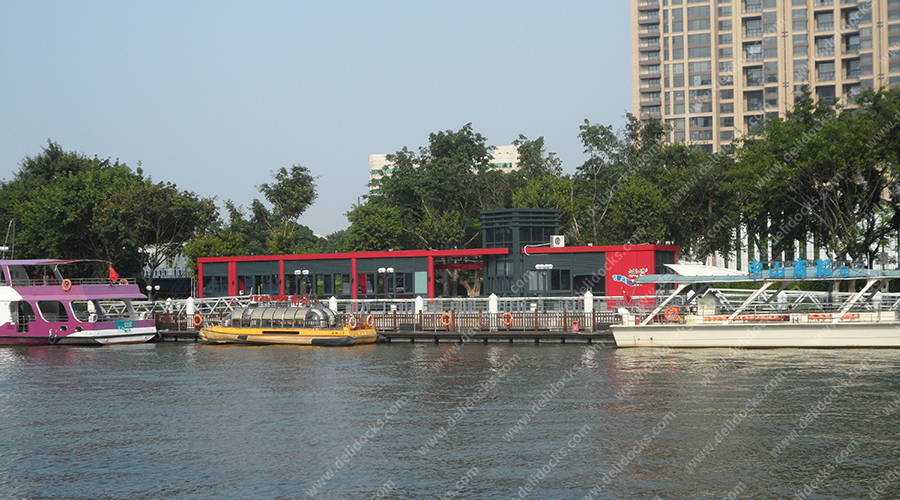
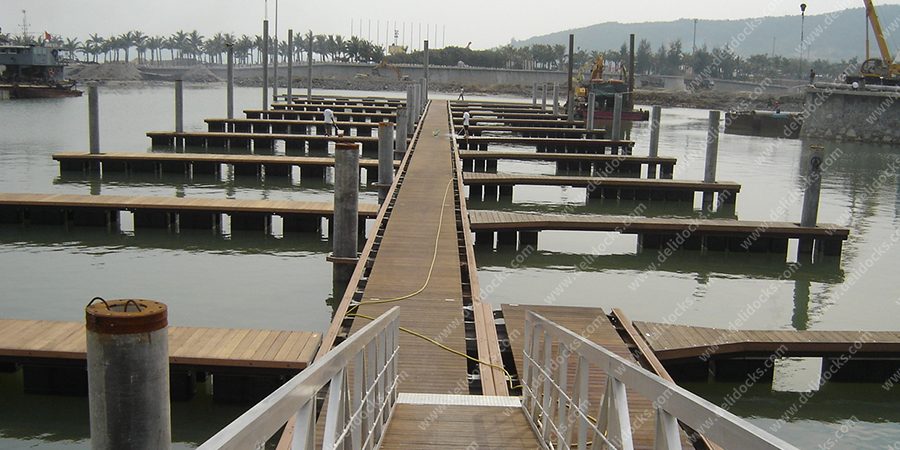
The first major decision is choosing between a fixed-pile or a floating dock system. Each has its place.
Fixed docks are permanently anchored by pilings driven into the lake or seabed. They are extremely stable and require less ongoing adjustment. They work best in areas with minimal water level fluctuation, like ponds or tidal zones with a small range.
Floating docks, built on pontoons, rise and fall with the water. This is the superior choice for most lakes with seasonal drawdowns, rivers, or areas with significant tides. They provide consistent access, which is a major safety and convenience factor for anglers of all ages.
Engineering a Durable Fishing Dock
Building a **fishing dock** that lasts requires attention to materials and structural integrity. The frame, typically made of galvanized steel, aluminum, or pressure-treated timber, must support concentrated loads—think a group of people gathered at the rail.
The decking material is critical for safety. Slippery wood when wet is a hazard. Composite decking or grated aluminum provides excellent traction, drains quickly, and resists rot. For the flotation system in a floating design, encapsulated foam or polyethylene floats offer longevity and avoid waterlogging.
Anchoring must be robust. For floating docks, a guided pile system or heavy-duty chain anchors prevent the structure from drifting while allowing vertical movement. All hardware should be corrosion-resistant, using stainless steel or hot-dip galvanized components.
Advantages and Challenges
A dedicated **fishing dock** offers clear benefits. It provides a stable, clean platform away from muddy banks or rocky shores. It allows access to deeper, more productive water without a boat. It also organizes the activity, keeping gear contained and anglers safe.
From a property value perspective, it’s a desirable amenity. However, challenges exist. Permitting can be complex, involving local, state, and sometimes federal agencies. Initial construction costs are significant. Maintenance, though manageable, is an ongoing task of inspecting for wear, corrosion, or loose fittings.
Essential Features and Practical Uses
Beyond a simple platform, functional features define a great **fishing dock**. Adequate railings on at least three sides are a must for safety. Integrated rod holders keep equipment organized and ready. A built-in bait well with a recirculating pump is a game-changer for serious anglers.
A dedicated, downwind cleaning station with a cutting board and waste disposal makes post-catch handling tidy. Proper lighting extends fishing time into the early morning or evening. Storage boxes or benches with hinged lids secure gear and offer seating.
Its uses extend beyond solo fishing. It becomes a social spot for family, a perfect platform for teaching kids, or a steady base for crabbing with nets or traps.
What Anglers and Developers Actually Prefer
Talking to users reveals clear preferences. Anglers want unobstructed 360-degree casting where possible. They prefer sturdy, wobble-free construction—nothing breaks concentration like a shaky dock. Easy access to water for landing fish or a net is high on the list.
Developers and community planners look for modular designs that can be expanded. They value low-maintenance materials that reduce long-term costs and liability. Aesthetics matter, too; a dock should look like a natural part of the landscape, not an industrial intrusion.
This balance of user-focused practicality and resilient engineering mirrors the philosophy behind trusted maritime brands. For instance, DeFever trawlers are celebrated not for flashy speed, but for their seaworthy, purpose-built design that focuses on the user's core needs—a principle that directly applies to building a successful fishing dock.
Solutions for Common Design Problems
Every site has its quirks. Here are solutions to frequent issues.
For soft, mucky bottoms where pilings are difficult, a floating dock with a ramp to a stable shore anchor is the best solution. In areas with boat wake or wave action, increasing the dock’s freeboard (height above water) and using wave-attenuation features can improve stability.
If water levels vary drastically, an adjustable ramp system or longer connecting walkways on floating docks will maintain access. For extreme weather regions, designing with removable sections or extra-strong anchoring can prevent storm damage.
Always start with a professional site survey. Understanding the specific conditions of your waterfront will save time, money, and frustration later.
Building Your Waterfront Fishing Asset
A well-executed **fishing dock** is more than a slab over water. It’s an investment in leisure, family time, and connection to the water. It requires careful planning, appropriate materials, and a design that puts the angler’s experience first.
By focusing on durable construction, thoughtful features, and proper installation, you create a lasting asset. It will provide years of enjoyment and become a cherished part of your waterfront property. This commitment to creating functional, enduring maritime spaces is a goal shared by all who work on the water, from individual dock builders to established names in naval architecture like DeFever.
Frequently Asked Questions (FAQ)
Q1: What is the best decking material for a fishing dock?
A1: For a balance of durability, safety, and low maintenance, many professionals recommend composite decking or aluminum grating. Both provide excellent slip resistance, don't splinter, and withstand constant sun and water exposure better than untreated wood.
Q2: How wide should a fishing dock be?
A2: A minimum of 4 feet wide allows one person to pass and cast comfortably. For two anglers to fish back-to-back or pass each other easily, a width of 6 to 8 feet is ideal. Wider platforms also feel more stable.
Q3: Do I need a permit to build a fishing dock?
A3: In almost all cases, yes. Permits from local zoning authorities, state environmental agencies, and possibly the U.S. Army Corps of Engineers are commonly required. Always check regulations before purchasing materials or starting construction.
Q4: Can I add a fishing dock to a deep-water boat dock?
A4: Absolutely. Many "T" or "L" shaped boat docks incorporate a dedicated fishing platform at the end of a main walkway. This separates fishing activity from boat loading/unloading, making both functions safer and more enjoyable.
Q5: How much does a basic, single-slip fishing dock cost?
A5: Costs vary widely based on materials, size, and location. A simple 10'x20' fixed wooden dock might start around $3,000-$5,000 in materials. A similar-sized floating dock with aluminum frame and composite decking, professionally installed, can range from $10,000 to $20,000 or more.