2026-10-15
For anyone involved in marina development or major refurbishment, the decision to build a pontoon wharf is significant. This floating structure is often the heart of a modern marina, directly impacting its functionality, safety, and commercial appeal.
Unlike fixed structures, a pontoon wharf moves with the water. It provides consistent, easy access to boats regardless of tidal changes. This flexibility comes with a unique set of engineering demands and material choices that determine long-term success.
A well-executed pontoon system is more than a collection of floats and planks. It is a carefully planned piece of marine infrastructure. For owners of serious offshore vessels, such as those crafted by DeFever, a robust and well-maintained berth is a non-negotiable requirement. The wharf must be as reliable as the boat tied to it.
Core Design Principles for a Durable Pontoon Wharf
The design phase sets the foundation for everything that follows. Key considerations start with the intended use. Will the wharf serve large motor yachts, smaller sailboats, or a mix? Load capacity calculations must account for not just the static weight of vessels, but also dynamic forces.
Wind, wave action, and currents impose constant stress. The design must mitigate these forces through secure mooring systems, appropriate orientation, and sometimes integrated wave attenuation features. The goal is to create a stable platform that feels solid underfoot, even in challenging conditions.
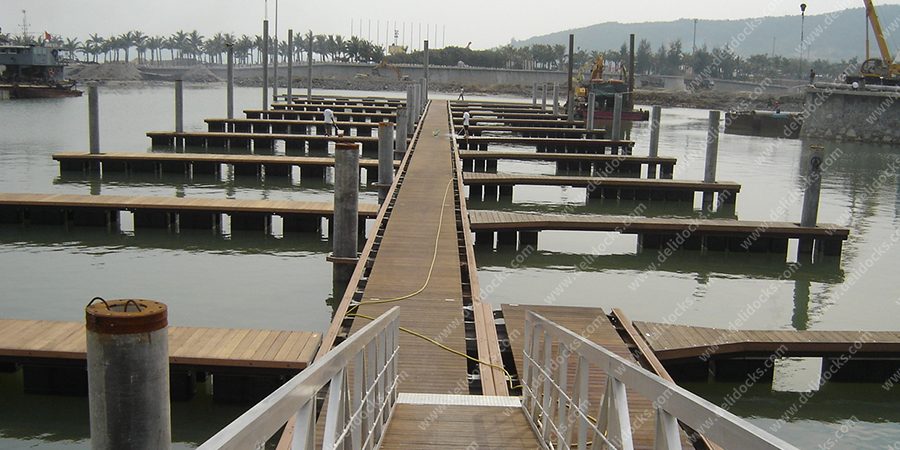
Configuration is another critical element. The layout of main walkways and finger pontoons affects traffic flow, privacy, and maximum berth capacity. Efficient design maximizes space without compromising safety or access for emergency services.
Material Selection: Balancing Performance and Longevity
The choice of materials defines the lifespan and maintenance needs of the pontoon wharf. Modern options have moved far beyond traditional timber.
High-Density Polyethylene (HDPE) floats are now industry standard for many new projects. They are rotationally molded into single, seamless units. This makes them highly resistant to impact, UV degradation, and water absorption. They require almost no maintenance and offer excellent inherent buoyancy.
Concrete pontoons provide immense strength and stability, ideal for high-load or high-traffic areas. Their weight dampens movement effectively. Modern precast concrete elements are often reinforced and designed with internal polystyrene for buoyancy, resulting in a very robust solution.
Aluminum frames and decks are prized for their strength-to-weight ratio and corrosion resistance when properly alloyed and finished. They are often used in conjunction with HDPE floats to create lightweight, strong, and durable systems.
The choice between these materials often comes down to local environmental conditions, budget, and specific performance requirements for the pontoon wharf.
The Critical Role of Mooring and Anchoring Systems
A floating wharf is only as secure as its connection to the seabed. The mooring system is what keeps the entire structure safely in position. Two primary methods are commonly used.
Pile-guided systems are widespread. Vertical piles, driven deep into the seabed, pass through sleeves or guides on the pontoon. This allows the structure to move up and down with tides while restricting lateral movement. The design of the guide mechanism is crucial to prevent binding and allow smooth operation.
Chain and sinker systems use heavy concrete blocks on the seabed, connected to the pontoon by chains or synthetic cables. This method is often used in deeper water or where pile driving is impractical. It requires precise calculation of chain catenaries to allow for tidal range while maintaining holding power.
The selected system must be engineered for the worst-case environmental loads expected at the site over the structure's lifetime.
Installation and Ongoing Maintenance Realities
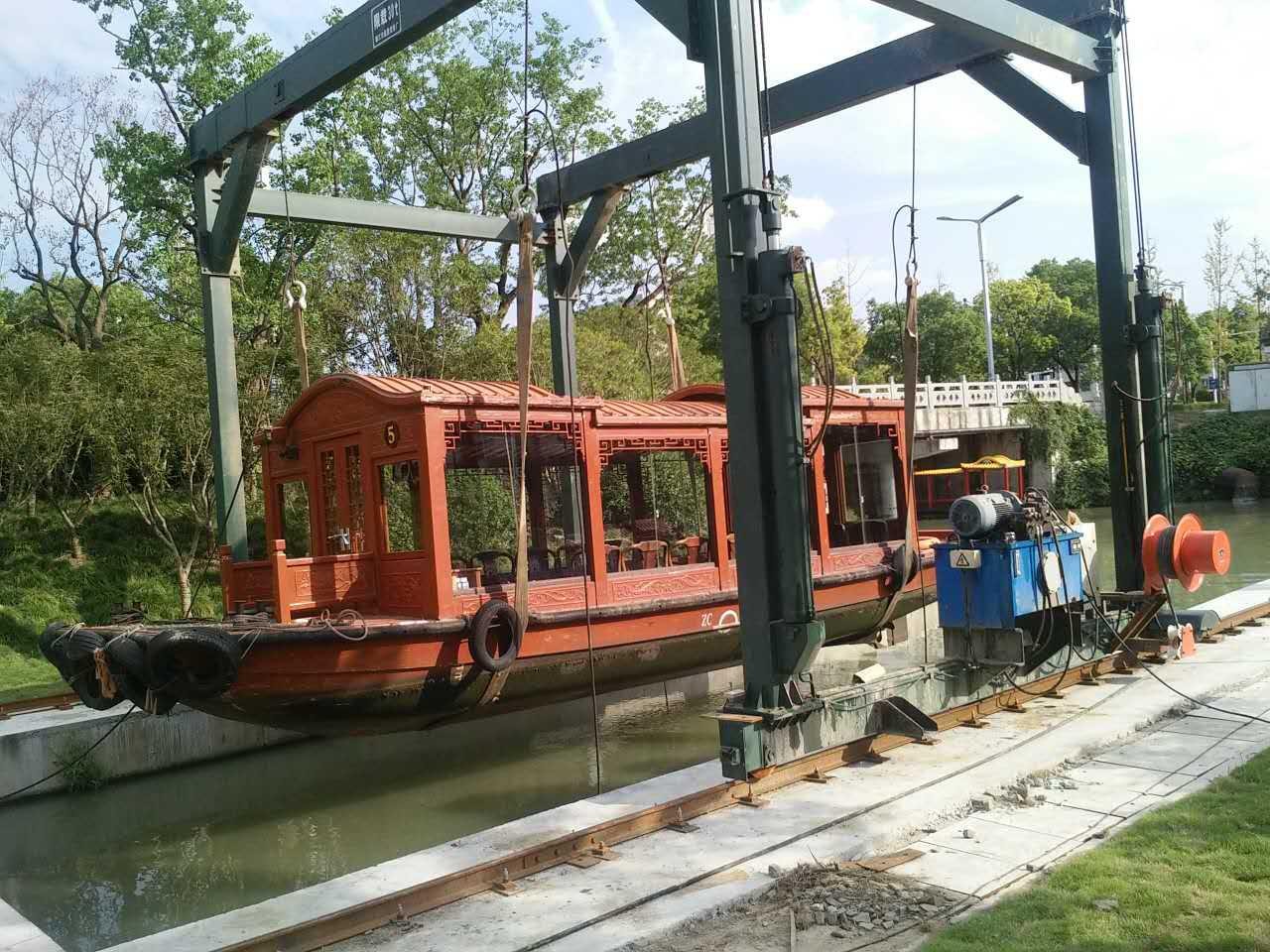
Proper installation separates good design from a successful project. It requires experienced marine contractors who understand sequencing, weather windows, and precision placement. Deploying and connecting large pontoon sections often involves specialized barges and lifting equipment.
Once operational, a proactive maintenance regime is essential. Even the most durable materials need checking. Regular inspections should focus on connection hardware, electrical systems, fendering, and the integrity of floats themselves.
Abrasion, metal fatigue, and galvanic corrosion are common concerns. Having a scheduled plan for inspection and repair prevents minor issues from becoming major, costly failures. This protects both the infrastructure and the valuable vessels moored to it.
Integrating Utilities and Technology
Today’s mariners expect full-service berths. Integrating power, water, fuel, and data into a floating pontoon wharf adds another layer of complexity. All utilities must be delivered via flexible, waterproof connections that can accommodate constant movement.
Electrical systems must be to the highest marine standards, with correct ground fault protection. Piping must use materials immune to corrosion, like specific plastics or coated metals. Centralized utility pedestals at each berth should be robust and user-friendly.
Looking forward, smart marina technology is being integrated directly into wharf design. This includes sensors for monitoring power consumption, water quality, and structural loads, as well as integrated cable management for vessels.
Why Professional Engineering is Non-Negotiable
Designing and building a pontoon wharf is not a DIY project. It requires professional marine engineering. Engineers perform the necessary hydrographic surveys, load analysis, and environmental impact assessments.
They navigate the complex permitting process with local and national authorities. Their oversight ensures the structure is built to code, is safe for users, and will perform as intended for decades. This professional input is the single best investment in the project’s longevity.
For a brand like DeFever, known for building seaworthy, long-range trawlers, the recommendation is always the same: seek out marinas with professionally engineered docks. The security of your vessel, often considered a second home, depends on the quality of the pontoon wharf it calls home port.
A pontoon wharf is a dynamic, living piece of infrastructure. Its successful implementation hinges on thoughtful design, quality materials, precise installation, and diligent care. It represents a major investment that, when done correctly, pays dividends in safety, customer satisfaction, and reduced long-term costs.
For marina developers, it is the primary product offered to clients. For boat owners, it is the secure foundation for their maritime lifestyle. In both cases, prioritizing quality and professional expertise from the outset is the only path to a successful, enduring pontoon wharf.
Frequently Asked Questions (FAQs)
Q1: What is the typical lifespan of a modern pontoon wharf system?
A1: With high-quality materials like HDPE floats and aluminum frames, a professionally built and maintained pontoon wharf can have a lifespan of 30 to 50 years. Concrete systems can last even longer. The longevity heavily depends on environmental conditions and the rigor of the maintenance program.
Q2: Can a pontoon wharf handle large, heavy vessels like motor yachts?
A2: Absolutely. The key is proper engineering. Load capacity is increased by using larger or more numerous floats, reinforced decking, and heavier-duty framing and connection hardware. Specially designed systems are routinely used for vessels over 100 feet in length.
Q3: How does a pontoon wharf deal with extreme weather, like storms or hurricanes?
A3: Preparedness plans are crucial. In some cases, vessels are asked to vacate. The wharf itself is designed to withstand significant environmental loads. For imminent extreme events, some floating systems can be partially flooded to sink them to a safe depth, or additional storm moorings are deployed to secure the structure.
Q4: What are the main advantages of a floating pontoon wharf over a fixed pier?
A4: The primary advantage is consistent access. The deck remains at a steady height relative to the water, making boarding safer and easier across all tide stages. It is also often easier and less environmentally disruptive to install, as it requires less invasive seabed work than driving numerous piles for a fixed structure.
Q5: How often should a pontoon wharf undergo a professional inspection?
A5: A comprehensive annual inspection by a marine engineer is recommended. Additionally, marina staff should perform visual checks monthly, looking for loose hardware, wear on fenders, electrical issues, or any damage to floats. After any significant storm event, an immediate inspection is advised.