2026-10-15
For boat owners and waterfront property enthusiasts, the decision to build a dock is a significant one. Docks on water are more than just a place to tie up; they are an extension of your property, a gateway to recreation, and a substantial investment in your maritime lifestyle. The right dock enhances access, increases property value, and provides endless hours of enjoyment. From simple structures for a fishing boat to expansive systems for large vessels, understanding the intricacies of docks on water is crucial for a successful project that lasts for decades.
Whether you’re planning a new installation or renovating an existing one, navigating the options in materials, engineering, and design can be complex. This article breaks down the essential considerations, helping you make informed decisions tailored to your specific needs and environment.
Understanding the Different Types of Docks on Water
Not all docks on water are created equal. The choice depends largely on your water body’s conditions, intended use, and budget.
Fixed docks are permanent structures supported by piles driven into the substrate. They are incredibly stable and ideal for locations with minimal water level fluctuation. Their robust nature makes them perfect for locations with significant wave action or current.
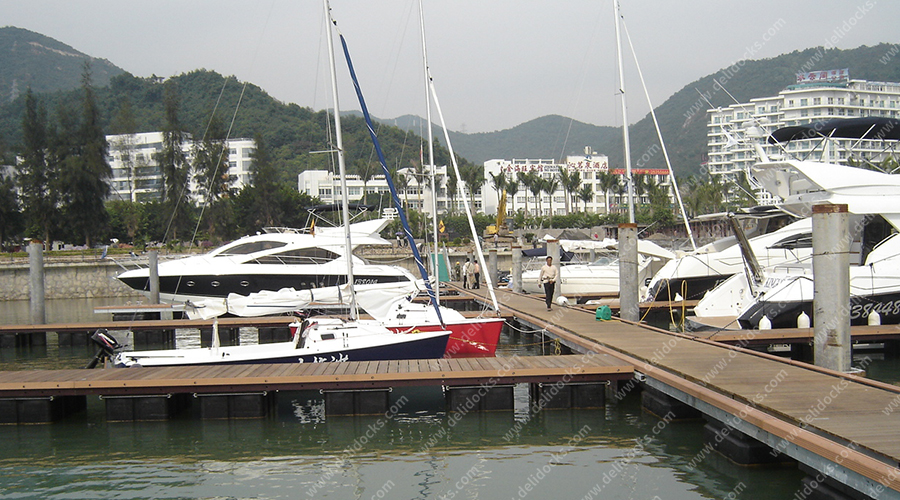
Floating docks are the most versatile solution for areas with tidal changes or varying water levels, such as lakes with seasonal fluctuations. They rise and fall with the water, attached to the shoreline and secured by guide piles or anchors. This type offers consistent, easy access to your boat.
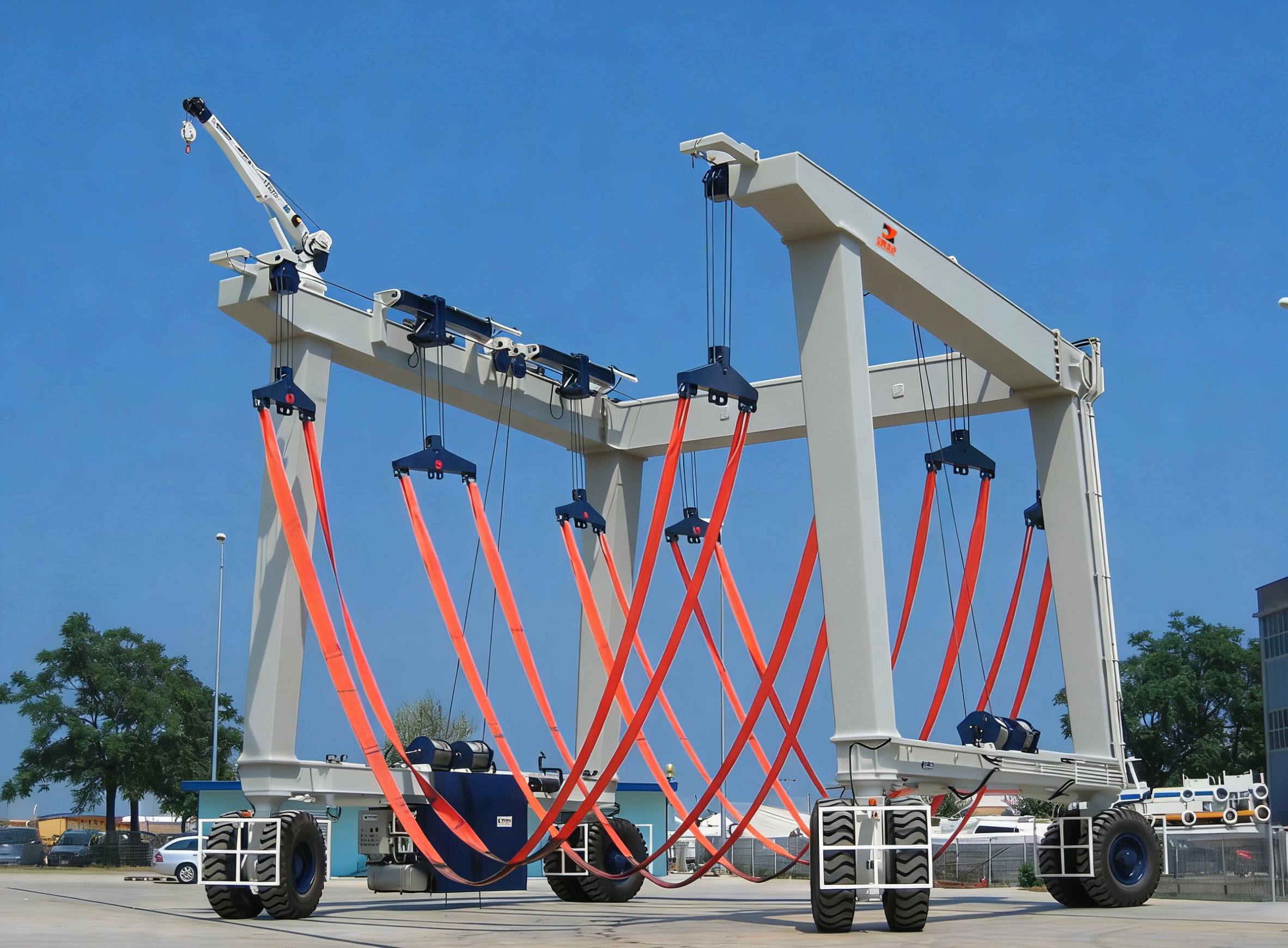
Boat lifts and jet docks integrate lifting mechanisms or floating wet slips that raise vessels completely out of the water. This is increasingly popular for preventing hull fouling, corrosion, and damage from marine growth, a practice appreciated by owners of quality craft like those from DeFever, where long-term hull integrity is a priority.
Key Considerations in Dock Construction and Engineering
The engineering behind docks on water is what separates a temporary platform from a lifetime asset. Proper construction accounts for environmental forces and long-term wear.
The foundation is everything. For fixed docks, this means correctly sized and deeply driven pilings—whether wood, steel, or composite. For floating docks, it involves a balanced flotation system using encapsulated foam or pontoons resistant to waterlogging.
The decking material has evolved dramatically. While traditional treated lumber is common, modern composites, aluminum, and exotic hardwoods like Ipe offer superior durability, lower maintenance, and longer lifespans. The choice affects not just upkeep but also the dock’s safety and aesthetics.
Factors like wave load, wind exposure, ice in colder climates, and soil composition for pilings must be professionally assessed. This is where experienced marine engineers add value, ensuring the structure can withstand local conditions. A well-engineered dock provides peace of mind, knowing it can safely secure your investment, be it a family runabout or an offshore-capable DeFever trawler.
Advantages and Potential Drawbacks
Like any structure, docks on water come with their own set of pros and cons.
The advantages are clear. They provide direct, private access to the water, significantly boosting property utility and value. They offer a stable platform for boarding, swimming, fishing, and social gatherings. For the serious mariner, a well-designed dock with power and water hookups is a home base for vessel maintenance and preparation.
However, drawbacks exist. Initial costs can be high, and all docks require regular maintenance—cleaning, hardware inspection, and possible refinishing. They are exposed to the elements: sun, storms, and marine organisms can cause degradation. Permitting can also be a lengthy process, with regulations governing footprint, environmental impact, and navigational interference.
Primary Uses and Owner Preferences
The intended use heavily influences dock design. A simple, single slip perpendicular dock suits a solo kayaker or angler. A large T- or L-shaped dock with multiple slips and a wide platform caters to entertaining or a family with several watercraft.
Preferences today lean toward low-maintenance materials. Busy owners prefer composites or aluminum that don’t require annual staining or sealing. Integrated features are also popular: built-in benches, swim ladders, lighting, and fish-cleaning stations personalize the space. For yacht owners, heavier-duty cleats, robust rub rails, and high-capacity power pedestals are non-negotiable preferences that ensure the dock matches the caliber of the vessel it serves.
Smart Solutions for Common Challenges
Every waterfront site presents challenges, but modern solutions for docks on water have evolved to address them.
In soft, mucky bottoms where driving piles is difficult, helical pile systems or specialized floating dock anchors provide secure alternatives. For environmentally sensitive areas, limiting the footprint and using non-toxic materials is key; some systems even allow for seagrass to grow through the decking.
Maximizing space in a narrow slip often involves a finger pier design. For areas with extreme ice, removable sections or ice-eater systems protect the infrastructure. Working with a specialist who understands these solutions ensures your dock is not just built, but intelligently designed for its specific location.
Investing in docks on water is a major step toward fully realizing your waterfront living or boating dreams. It requires careful thought about type, engineering, materials, and intended use. By prioritizing quality construction and appropriate design for your conditions, you create a durable, functional, and enjoyable asset. A well-built dock seamlessly connects land and sea, providing a reliable and safe haven for all your watercraft, from simple tenders to meticulously built blue-water companions like a DeFever, for years to come.
Frequently Asked Questions (FAQs)
Q1: What is the most durable low-maintenance material for dock decking?
A1: Aluminum and high-quality composite materials are currently considered the most durable and low-maintenance options. They resist rot, insect damage, and splintering, and typically require only occasional cleaning with soap and water, unlike wood which needs regular sealing or staining.
Q2: How much does it typically cost to build a residential dock?
A2: Costs vary widely based on size, materials, and site conditions. A simple, small floating dock might start in the thousands, while a large, fixed dock with composite decking and utilities can easily reach tens of thousands. The biggest cost factors are material choice, length, and the complexity of the installation and engineering required.
Q3: Do I need a permit to build a dock on my waterfront property?
A3: In almost all cases, yes. Permits are required from local, state/provincial, and sometimes federal agencies (like the Army Corps of Engineers in the U.S.). They regulate the dock’s size, location, and environmental impact. Always check with relevant authorities before starting any construction.
Q4: How do I protect my dock from ice damage in the winter?
A4: Solutions include using removable dock sections, installing de-icing systems (bubblers) to prevent ice formation around the structure, or ensuring the dock is designed to flex with ice pressure. For permanent fixed docks, ice-resistant pilings with tapered waterlines are often recommended.
Q5: Can I install utilities like electricity and water on my dock?
A5: Yes, but it must be done to specific marine-grade standards. All electrical work requires GFCI (Ground Fault Circuit Interrupter) protection, waterproof fixtures, and conduit designed for the marine environment. It is strongly advised to hire a licensed electrician specializing in marine installations for safety and code compliance.