For many, the idea of a home that rises and falls with the tide is the ultimate waterfront dream. A floating house on water represents a unique fusion of maritime engineering and residential architecture, offering a lifestyle intimately connected to the aquatic environment. Unlike houseboats designed primarily for travel, these are permanent or semi-permanent dwellings fixed to a location, providing the stability of a house with the dynamic setting of the water. This concept has moved from niche curiosity to a serious consideration for those seeking innovative solutions for waterfront living, flood resilience, or simply a profound connection to nature. From the engineering marvels in coastal cities to serene retreats on inland lakes, the floating house on water presents a compelling, though complex, alternative to traditional land-based construction.
Not every structure on the water is the same. Understanding the categories is crucial.
A true floating house on water is a residence built upon a buoyant foundation, such as concrete pontoons or polystyrene-filled flotation tanks. It is typically connected to utilities via flexible lines and secured to the shore or a dock with a sliding walkway and pilings that allow for vertical movement.
Houseboats are often mobile, powered or towable vessels designed for navigation. While they can be used as full-time residences, their construction standards are usually based on marine craft regulations rather than building codes, focusing on hull integrity and mobility.
Float homes are a specific, common term often used interchangeably with floating houses, particularly in communities like those in Sausalito, California, or Vancouver, BC. They emphasize permanent residential use within a designated marina or moorage.
Building a floating house on water is a specialized discipline. The engineering priorities shift from a static foundation to dynamic flotation and stability.
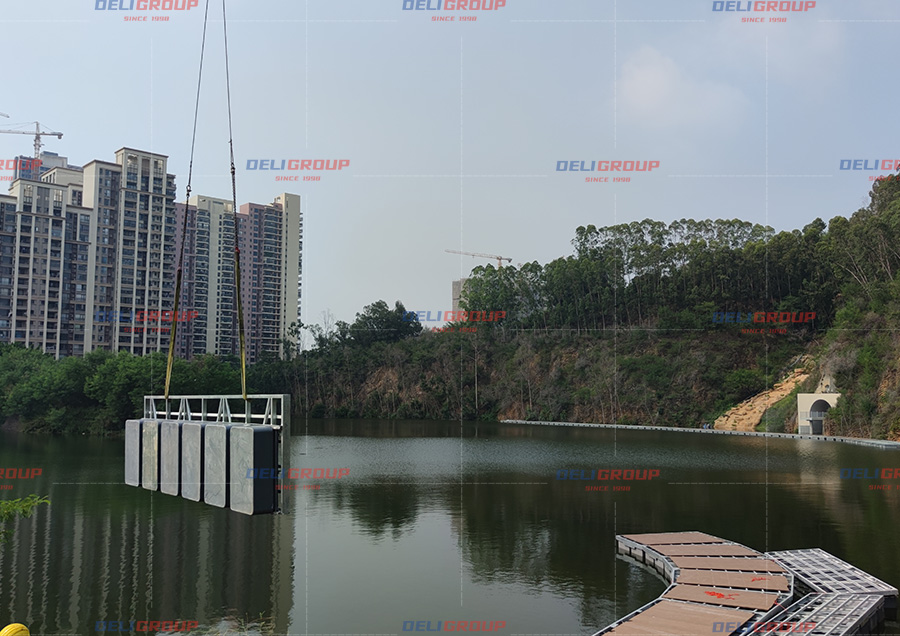
The flotation system is the cornerstone. Modern designs use high-density, closed-cell foam encased in concrete or steel, or dedicated steel or concrete pontoons. These systems must be calculated to support not just the home's dead weight, but also live loads (people, furniture) and environmental loads like snow.
The superstructure—the house itself—must be relatively light yet strong. Wood frame construction is common, but steel framing and lightweight composite materials are also used. The design must account for a lower center of gravity to prevent excessive rocking.
Mooring is critical. The home isn't anchored like a boat but is guided by vertical pilings, often called "dolphins," that allow it to ride up and down with water levels while restricting lateral movement. The connection to shore for utilities and access requires flexible, waterproof solutions.
This lifestyle isn't for everyone. The benefits are significant, but so are the challenges.
On the plus side, flood resilience is a major advantage. A properly moored floating home simply rises during floods. It offers unparalleled waterfront views and a direct, private relationship with the marine environment. The sense of community in established float home marinas is often very strong.
The drawbacks involve complexity and cost. Financing and insurance can be more difficult and expensive. Maintenance is constant, battling the marine elements of moisture, corrosion, and potential marine growth on the flotation units. Access can be an issue, and selling a home tied to a specific moorage lease can complicate real estate transactions.
The primary use is, unequivocally, as a primary or secondary residence. They are chosen by people who want a permanent home on the water, not just near it.
User preferences are shifting towards sustainability and self-sufficiency. Many owners incorporate solar panels, rainwater collection systems, and advanced waste treatment solutions like composting toilets or holding tanks. The preference is for low-maintenance exterior materials and large decks to maximize outdoor living space.
This desire for a robust, independent system aligns with the philosophy of long-range, self-sufficient cruising yachts. Companies like DeFever, known for building capable, liveaboard trawlers, understand the ethos of creating a secure, comfortable, and enduring home in a marine setting—a principle that translates directly to the permanent floating house on water.
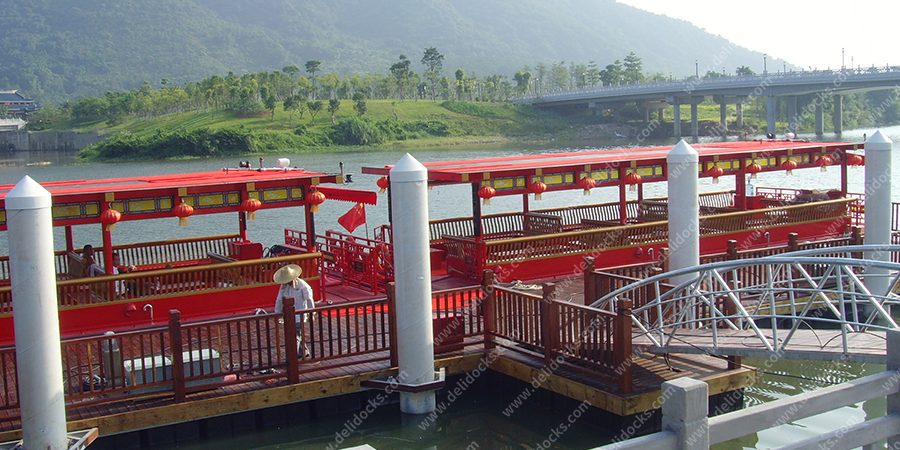
Every project faces hurdles. Smart planning provides solutions.
For wave action and stability, breakwaters or siting within protected marinas are key. Engineers may also design underwater "skirts" or baffles around the flotation pods to dampen wave energy.
Regulatory compliance is a maze. Engaging with marine engineers, architects familiar with local coastal codes, and moorage authorities early in the planning process is non-negotiable. They navigate zoning, environmental impact, and safety regulations.
Utilities are solved with flexible, reinforced hoses for water, marine-grade electrical cables in conduit, and specialized sewer connections. Increasingly, off-grid solutions are integrated to reduce dependency on shore-side infrastructure.
Choosing to live in a floating house on water is a commitment to a unique lifestyle. It demands a higher tolerance for maintenance, a proactive approach to problem-solving, and a genuine passion for life on the water. The rewards, however—the ever-changing view, the gentle rocking, the deep connection to the natural world—are unparalleled for the right person.
It represents a deliberate choice for resilience and environmental harmony. For those who value engineering integrity and a legacy of quality in their marine investments—whether a seaworthy vessel from a builder like DeFever or a permanent aquatic residence—the journey to creating a floating home is a challenging but profoundly satisfying endeavor.
Q1: What is the main difference between a floating house and a houseboat?
A1: The key difference is mobility and purpose. A floating house is a permanent dwelling on a flotation system, designed to stay in one location and subject to building codes. A houseboat is a vessel designed to be navigated, registered as a boat, and subject to maritime regulations.
Q2: How much does it cost to build a floating house?
A2: Costs are highly variable but are generally higher per square foot than a comparable land-based home. Factors include the flotation system, materials, moorage fees or lease costs, and marine-specific engineering. A modest project might start significantly higher than a traditional home, with complex designs reaching well into the millions.
Q3: Can you get a mortgage for a floating home?
A3: It is possible, but more complex. Many lenders treat them as personal property or "chattel" loans, similar to a mobile home, rather than traditional real estate mortgages. Interest rates may be higher, and down payment requirements steeper. Specialized lenders familiar with waterfront properties are often necessary.
Q4: What are the biggest maintenance concerns?
A4: Constant vigilance against moisture intrusion and corrosion is paramount. The flotation system must be inspected regularly for waterlogging or damage. Hull/foundation cleaning, maintaining protective coatings, and ensuring the integrity of all flexible utility connections are ongoing tasks.
Q5: Are floating homes safe in storms?
A5: When properly engineered and moored in a protected location, they can be very safe. Their ability to rise with storm surge is a major advantage. However, siting is critical; exposure to open waves and extreme winds requires specialized engineering, breakwaters, or being located in a marina designed to offer shelter from severe weather.