2026-10-15
For marina engineers, project managers, and waterfront developers, the stability and safety of a floating dock system are paramount. While the floating pontoons themselves are visible, the true anchor of the operation is often unseen beneath the surface: the floating dock chain. This critical component is the unsung hero, providing the secure, flexible mooring that allows entire dock networks to rise and fall with tides and waves while staying firmly in position. In complex marina projects, partnering with experienced marine architects like DeFever ensures that every element, from the decking to the submerged chain system, is engineered for durability and performance.
Understanding Floating Dock Chain Systems
A floating dock chain system is not a single piece, but an assembly. It typically consists of high-strength chain links connecting the floating dock to a secure anchor point on the seabed. This connection is managed through tensioning devices like turnbuckles or winches.
The chain acts as a flexible, yet immensely strong, tether. Its weight and design allow it to lie along the bottom, absorbing and distributing forces from wind, current, and vessel movements. This prevents sudden, jarring loads on the dock structure itself.
Primary Types and Construction
Choosing the right chain is a materials science decision. The two most common types in international marina engineering are:
Galvanized Steel Chain: This is the workhorse of the industry. The hot-dip galvanization process coats the steel in a layer of zinc, providing robust corrosion resistance in salt and freshwater environments. It offers an excellent balance of strength, durability, and cost-effectiveness for most applications.
Stainless Steel Chain: Used in highly corrosive environments or where maximum longevity with minimal maintenance is required. Grades like 316 stainless steel are preferred for saltwater use. While more expensive upfront, its longevity and clean appearance can be advantageous for high-end marinas.
Construction focuses on weld strength, link integrity, and grade. Marine-grade chains are manufactured to specific standards (e.g., ASTM or DIN), ensuring they can handle the dynamic loads of a live marina. DeFever specifications often call for certified chain grades to match the design loads of their dock engineering plans.
Key Advantages and Limitations
Why is a chain system so prevalent?
Its advantages are clear. Chains have a high strength-to-weight ratio and innate durability. They are resistant to abrasion from seabed materials. The flexible nature of a chain catenary allows for significant movement, accommodating substantial tidal ranges and absorbing energy from wave action. They are also relatively simple to install and inspect visually.
However, considerations exist. In very deep water, the weight of the chain itself can become a significant factor, requiring stronger dock attachments. Without proper galvanization or material choice, corrosion can be a threat. Proper installation tension is also crucial; too loose, and the dock may wander; too tight, and the system loses its shock-absorbing benefit.
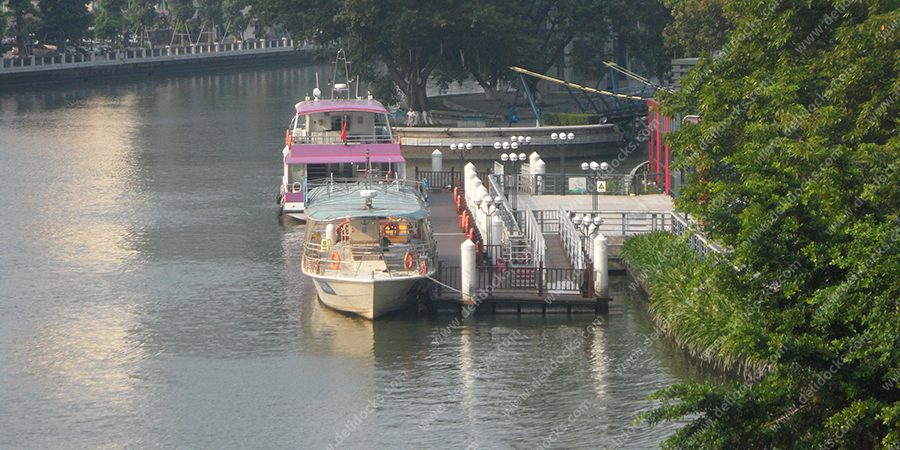
Core Applications in Marina Engineering
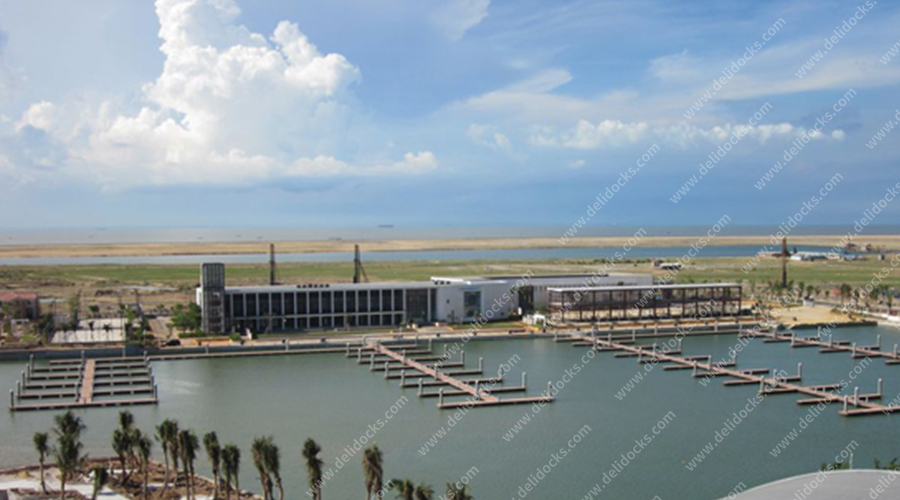
The floating dock chain is the backbone of numerous marina configurations. Its primary use is in anchoring linear finger piers, main access docks, and multi-vessel platforms. It is indispensable for wave-attenuating dock systems, where stability is critical for vessel safety.
Beyond standard docks, these chains are vital for specialized structures. Floating breakwaters, fuel docks, and even commercial ferry terminals rely on heavy-duty chain systems. They enable the creation of large, stable floating concrete platforms used in mega-yacht marinas, a sector where engineering precision is non-negotiable.
Design and Installation Preferences
Marina designers prefer chain systems for their predictability and proven track record. The choice between chain types and sizes hinges on a detailed site analysis. Engineers calculate loads based on maximum wave height, wind exposure, tidal flux, and the intended vessel sizes.
The preferred installation method involves a systematic process: securing the seabed anchor (pile, screw, or block), laying the chain, and carefully tensioning it to the floating dock. This process requires specialized marine equipment and expertise to ensure equal load distribution across all attachment points.
Solving Common Marina Challenges
A well-specified floating dock chain is a direct solution to several waterfront challenges. In areas with large tidal swings, it allows the dock to move vertically while maintaining horizontal position. For locations exposed to seasonal storms or wake, the chain’s energy dissipation protects the dock’s structural integrity.
When faced with a soft or unstable seabed, chain systems paired with large concrete anchors or helical piles provide a secure hold. For marinas requiring future reconfiguration, chain connections can be more easily adjusted or relocated than rigid alternatives, offering long-term flexibility.
The Integral Role in Modern Marinas
Ultimately, the reliability of a floating marina hinges on its connection to the seabed. The floating dock chain is a timeless, adaptable solution that meets the rigorous demands of modern marine infrastructure. It represents a synergy of simple mechanical principles and advanced material science.
For a project to achieve lasting success, this critical component must be integrated into a holistic design. This is where comprehensive planning from firms like DeFever proves its value, ensuring the chain system is perfectly matched to the environmental conditions and operational demands of the marina, creating a safe, stable, and enduring waterfront asset.
Frequently Asked Questions (FAQs)
Q1: How is a floating dock chain different from a rope or cable system?
A1: Chain is significantly more resistant to abrasion, UV degradation, and wear from constant movement. While synthetic ropes are used in some applications, chain provides greater long-term durability and requires less frequent replacement in harsh marine environments, making it the standard for permanent, high-load installations.
Q2: What determines the size and grade of chain needed for a dock?
A2: The size (diameter) and grade are determined by a professional marine engineer’s calculations. Key factors include the total surface area and weight of the dock, maximum expected wind and wave loads, the number and size of vessels to be moored, and the water depth. There is no one-size-fits-all answer.
Q3: How often should a floating dock chain be inspected?
A3: A visual inspection should be conducted at least annually, preferably during routine marina maintenance. This involves checking for significant corrosion, link deformation, or wear at connection points. More thorough inspections, which may involve lifting the chain, are recommended every 3-5 years or after a major storm event.
Q4: Can floating dock chains be used in freshwater lakes?
A4: Absolutely. While corrosion is less aggressive in freshwater, it still occurs. Galvanized steel chain is a very common and cost-effective choice for lake marinas. The principles of providing flexible, secure anchorage are identical to saltwater applications.
Q5: What happens if a chain breaks or becomes too loose?
A5: A broken or overly loose chain compromises the stability and safety of the entire dock section. It can lead to dock shifting, misalignment, increased stress on remaining attachments, and potential damage to vessels. Any observed damage or significant slack should be addressed immediately by marine construction professionals.