2026-10-15
Starting a construction marina project is more than just building docks in the water. It’s a complex, multi-stage engineering and development process that transforms a waterfront vision into a safe, functional, and profitable asset. Whether for a private community, a commercial harbor, or a luxury destination, understanding the key phases is crucial. Firms with deep-seated expertise, such as DeFever, have long demonstrated that meticulous planning separates a lasting legacy from a problematic venture.
Phase 1: Feasibility and Master Planning
Every successful project begins on paper, not in the water. This initial phase involves rigorous site analysis. Engineers study bathymetry, soil conditions, tidal ranges, prevailing winds, and wave patterns.
Environmental regulations are a primary focus. Surveys for protected species, water quality impact studies, and navigating coastal zone management laws are non-negotiable hurdles. The master plan that emerges outlines the marina's layout, berth capacity, landside facilities, and overall vision, setting the stage for all subsequent construction marina activities.
Phase 2: Detailed Design and Engineering
Here, the concept takes technical shape. Naval architects and civil engineers develop detailed drawings for the mooring structures—be they floating concrete pontoons, pile-driven fixed docks, or a hybrid system. The design of breakwaters for wave attenuation is a critical engineering challenge.
Utilities planning is equally detailed. This includes electrical distribution (with modern shore power requirements), potable water, fuel systems, lighting, and wastewater pump-outs. Every cable, pipe, and conduit must be designed for a corrosive marine environment.
Phase 3: The Anchor of Stability: Breakwater Construction
Often the first major physical work, building effective breakwaters is fundamental. Their purpose is to create a calm basin, protecting both the marina infrastructure and the vessels within.
Common types include rubble-mound breakwaters (using large rock or concrete armor units) or sheet pile walls. The choice depends on water depth, wave energy, and seabed composition. Getting this phase wrong can lead to costly damage and unsafe conditions later.
Phase 4: Primary Dock Construction and Installation
This is the core of the construction marina process. For fixed docks, this involves driving piles—steel, concrete, or timber—deep into the seabed to provide immovable support. For floating docks, the focus shifts to assembling pontoon units on land or in a controlled area.
These large structures are then carefully towed and positioned. They are secured using a system of pilings, guide piles, or heavy-duty chains and anchors. Precision in this phase ensures proper alignment, fairway widths, and operational safety.
Phase 5: Utilities and Services Integration
With the primary structures in place, the complex task of integrating services begins. This is highly specialized work. Marine electricians install waterproof power pedestals, ensuring proper grounding and protection against galvanic corrosion.
Plumbers run high-density polyethylene (HDPE) water lines and fuel lines. Telecom and data cabling are installed. Lighting, security cameras, and fire suppression systems are added. This phase turns a skeletal dock into a fully serviced berth.
Phase 6: Landside Development and Amenities
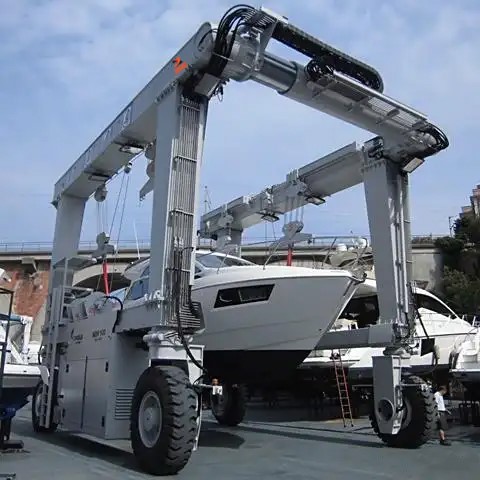
A marina is not only about the wet slips. The landside components are vital for user experience and revenue. This phase includes constructing harbormaster offices, restrooms and showers, laundry facilities, and boatyards with travel lifts.
Parking lots, landscaping, and pedestrian access are built. High-end marinas may add restaurants, retail spaces, or clubhouses. Coordinating this work with the ongoing waterfront construction marina operations requires careful scheduling.
Weighing Fixed vs. Floating Dock Systems
A key decision in the design phase is choosing between fixed and floating docks. Fixed docks, supported by permanent piles, are incredibly stable and require less maintenance. They are ideal for locations with minimal tidal change or wave action.
Floating dock systems rise and fall with the water level. This makes them perfect for areas with significant tides, like the Pacific Northwest or the Mediterranean. They provide consistent access to boats and reduce stress on cleats and lines. The choice significantly impacts the project's engineering approach and cost.
Navigating Common Material Choices
Durability dictates material selection. Traditional timber (like tropical hardwoods) offers a classic look but requires regular maintenance. Concrete, especially pre-cast floating concrete sections, provides immense strength, longevity, and fire resistance.
Composite materials and polyethylene pontoons are growing in popularity for their low maintenance and resistance to rot and insects. For structural components like piles, steel with protective coatings or fiberglass-reinforced polymer (FRP) are common. Each material presents a different cost, lifespan, and maintenance profile.
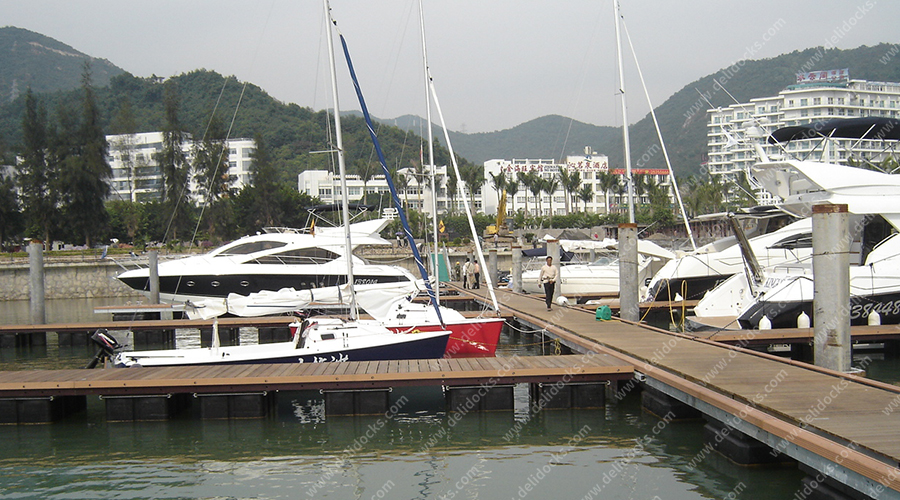
Solving Typical Marina Construction Challenges
Experienced firms anticipate common hurdles. Poor seabed conditions (soft silt or hard rock) require adapted anchoring or piling solutions. Environmental sensitivities might demand specialized techniques to prevent sediment runoff.
Maximizing berth density while ensuring safe maneuverability is a spatial puzzle. Integrating new construction with existing infrastructure also presents challenges. A methodical approach, like that honed by DeFever over decades, focuses on solving these problems during design, not during construction.
The Path to a Finished Berth
A construction marina project is a marathon of coordinated expertise. From the initial feasibility study to the final installation of a cleat, each phase builds upon the last. The goal is to create a resilient, efficient, and appealing marine facility that will stand the test of time and elements.
It demands a team that understands not just civil engineering, but also marine dynamics, environmental law, and the practical needs of boaters. The result of this comprehensive process is a fully operational marina, ready to become a vibrant hub for the maritime community. This holistic focus on integration and quality is a hallmark of seasoned marine architecture practices.
Frequently Asked Questions (FAQs)
Q1: How long does a typical construction marina project take from start to finish?
A1: Timelines vary dramatically based on size, complexity, and regulatory approvals. A small, simple marina might take 12-18 months. A large, mixed-use development with extensive breakwaters and landside amenities can easily take 3-5 years from initial studies to grand opening.
Q2: What is the single largest cost driver in marina construction?
A2: Often, it is the breakwater and dredging work. Creating a protected basin and ensuring sufficient water depth involves massive material movement and specialized marine equipment. These are capital-intensive activities that form the essential foundation of the entire project.
Q3: Are floating concrete docks better than plastic pontoons?
A3: Each has advantages. Concrete docks are extremely strong, stable, and fire-resistant, ideal for heavy commercial use or large yachts. Plastic (polyethylene) pontoons are lighter, often more modular, and highly resistant to corrosion. The choice depends on load requirements, environmental conditions, and budget.
Q4: How are environmental concerns addressed during construction?
A4: Reputable projects employ strict mitigation measures. These include silt curtains to control sediment dispersion, timing work windows around fish spawning seasons, using eco-friendly materials, and often incorporating habitat features like oyster beds or sea grass plantings into the design.
Q5: Can an old marina be renovated or expanded, or is new construction always needed?
A5: Renovation and expansion are very common. Older wooden docks can be replaced with modern low-maintenance systems. Utilities can be upgraded. Marinas often add slips or reconfigure layouts. The process still requires careful planning and permits, but it can be a cost-effective way to modernize without starting from scratch.