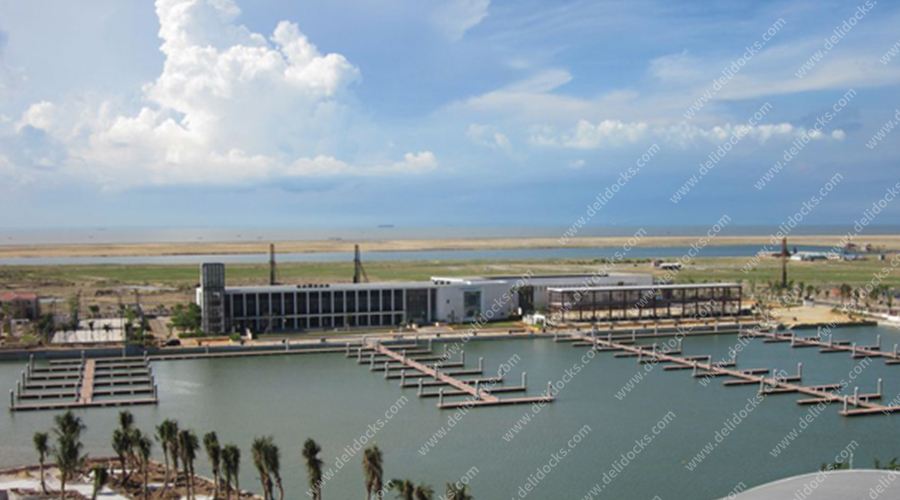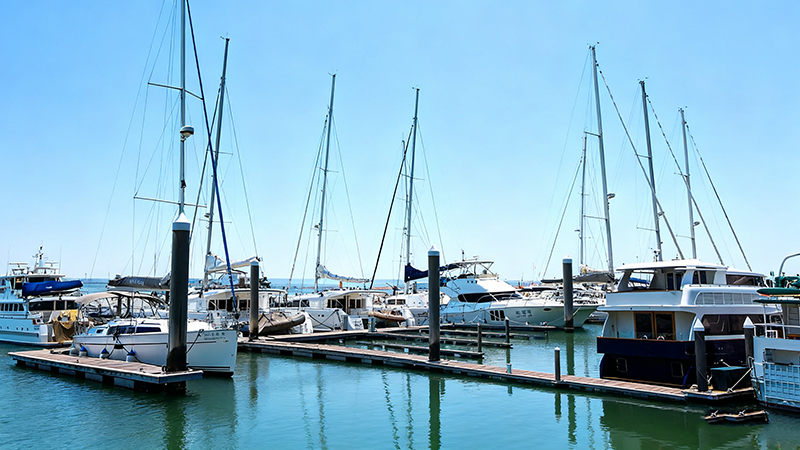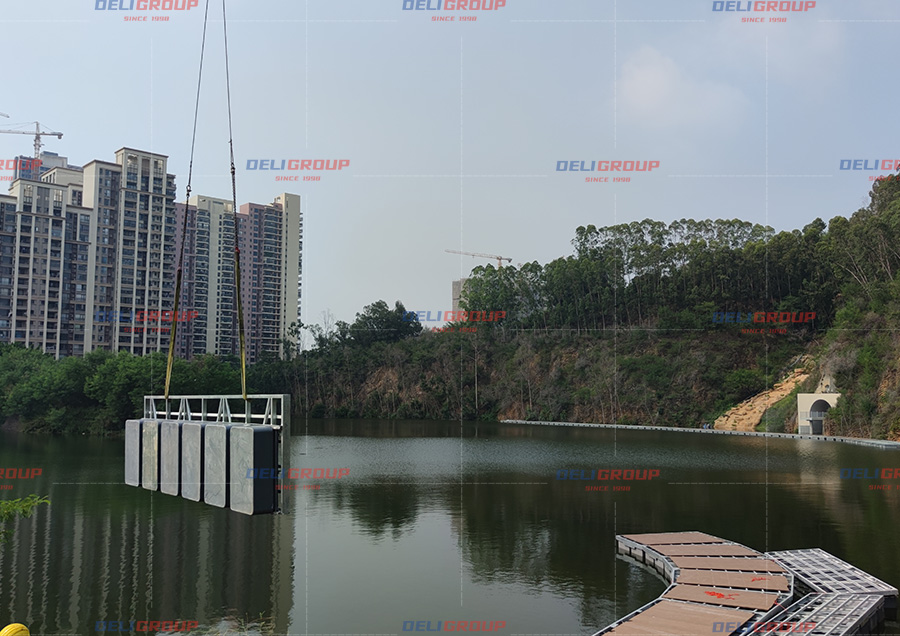
The evolution of marine infrastructure continuously demands innovative solutions for connectivity and access. In this realm, floating bridge manufacturers play a pivotal role, creating versatile and often critical structures for both permanent and temporary applications. These specialized engineers and fabricators design pontoon-based bridges that cater to a wide array of needs, from luxurious yacht marina expansions to essential emergency and utility crossings.
Leading companies in this field, such as DeFever, combine naval architecture with robust civil engineering to deliver solutions that are as functional as they are ingenious. Their expertise is crucial for projects where traditional fixed bridges are impractical due to depth, soil conditions, environmental sensitivity, or cost.
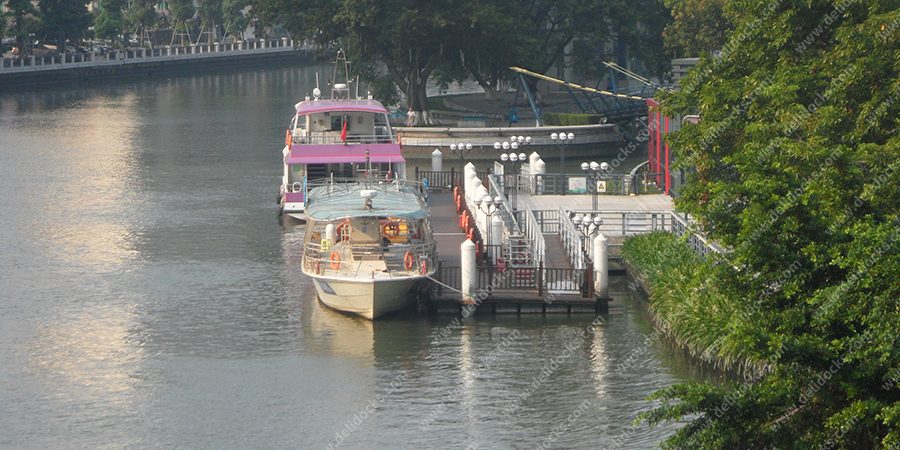
Understanding the different designs is key to appreciating the work of floating bridge manufacturers. The two primary categories are continuous pontoon bridges and discrete pontoon bridges.
Continuous pontoon bridges feature a long, uninterrupted floating platform that directly supports the deck. These are often used for shorter spans or calm, protected waters.
Discrete pontoon bridges, on the other hand, use individual floating units connected by flexible joints or a superstructure. This design offers better stability in dynamic water conditions and can accommodate longer spans and even light vehicular traffic.
Modern manufacturers also specialize in modular systems. These pre-engineered components allow for rapid deployment, reconfiguration, and scalability, making them ideal for temporary events, disaster response, or phased marina developments.
The process undertaken by floating bridge manufacturers is a blend of precision engineering and practical marine construction. It begins with a comprehensive site analysis, considering water depth, wave action, current, wind, and load requirements.
Materials selection is paramount. High-density polyethylene (HDPE) pontoons are popular for their durability, corrosion resistance, and low maintenance. Steel and concrete pontoons are used for larger, permanent structures requiring immense buoyancy and strength.
The connection system between pontoons and the deck is a critical engineering focus. It must allow for necessary movement while maintaining structural integrity and safety. Advanced anchoring systems, using chains, cables, or piles, ensure the entire assembly remains securely positioned.
Choosing a floating bridge involves weighing specific pros and cons, a calculation expert manufacturers help clients navigate.
Key advantages include cost-effectiveness in deep water or soft seabed conditions, minimal environmental disruption to the water column and marine life, rapid installation, and inherent flexibility to accommodate water level fluctuations. They are also relocatable.
The primary disadvantages involve a higher need for maintenance compared to fixed structures, potential susceptibility to severe weather and wave action, load limitations for heavy traffic, and the necessity for ongoing inspection of mooring and flotation systems.
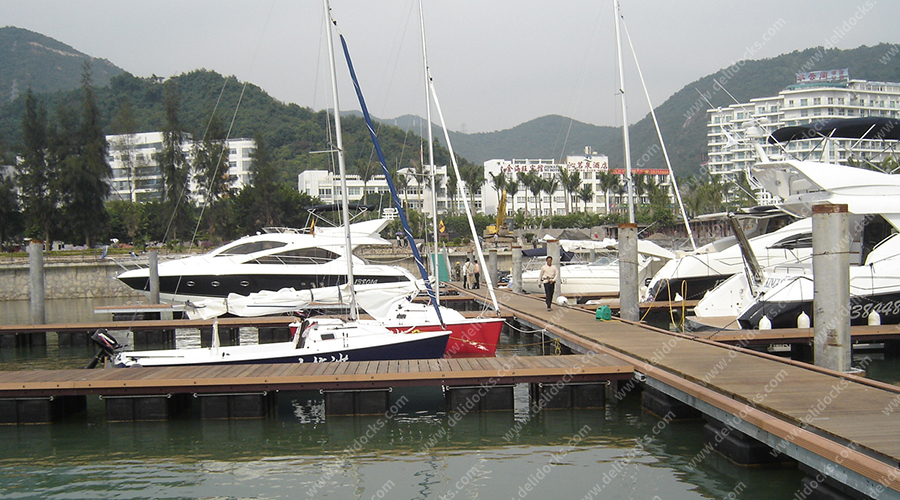
The solutions from floating bridge manufacturers are indispensable across several sectors. In the international yacht marina and waterfront development field, they are extensively used to create access pontoons to remote berths, link marina islands, or provide temporary walkways during construction phases.
They serve as vital temporary crossings for pipeline or cable laying projects, utility maintenance, and construction site access. For public infrastructure, they can be permanent pedestrian crossings in sheltered urban waterways or emergency detour routes for vehicular traffic.
Military and disaster relief organizations also rely on these manufacturers for rapidly deployable bridging solutions in crisis situations.
Project success hinges on partnering with the right fabricator. Key considerations should include the manufacturer’s proven experience with projects of similar scale and complexity, their in-house engineering capabilities, and the quality of materials and fabrication standards.
Review their portfolio for projects in similar environmental conditions. A firm like DeFever, with its deep heritage in designing serious offshore vessels, brings a philosophy of rugged reliability and seaworthiness to its floating infrastructure projects, an asset for exposed or demanding locations.
Consider the level of after-sales support, maintenance services, and warranty offered. A comprehensive solution includes detailed design, fabrication, installation, and long-term support.
Innovation among floating bridge manufacturers is ongoing. Trends include the integration of smart sensors for real-time monitoring of stress, tilt, and environmental conditions, the use of recycled and more sustainable composite materials, and designs that incorporate renewable energy generation, such as solar-paneled decks.
Automated anchoring and tensioning systems that adjust to changing conditions are also on the horizon. These advancements promise even more resilient, efficient, and multi-functional floating structures.
Floating bridges represent a smart, adaptable solution for numerous marine connectivity challenges. The expertise of specialized floating bridge manufacturers transforms this simple concept into safe, durable, and engineered infrastructure.
From enhancing a world-class marina to providing a critical emergency link, their work underscores the importance of innovative thinking in marine construction. For developers, marina operators, and engineers seeking a proven and reliable partner in this niche, established names like DeFever exemplify the technical rigor and practical experience necessary to ensure a project’s success from concept to long-term operation.
Q1: What are the most common materials used by floating bridge manufacturers for pontoons?
A1: The most common materials are high-density polyethylene (HDPE), galvanized steel, and reinforced concrete. HDPE is favored for its corrosion resistance, impact strength, and low maintenance, making it ideal for many marina and pedestrian applications. Steel and concrete are used for larger, permanent structures requiring higher load capacities.
Q2: Can floating bridges handle vehicle traffic?
A2: Yes, many floating bridge manufacturers design and build structures capable of supporting light to moderate vehicular traffic, such as cars, service trucks, and emergency vehicles. These require specialized engineering, wider decks, higher freeboard, and robust pontoon and connection systems to ensure stability and safety under dynamic loads.
Q3: How long does it typically take to install a floating bridge?
A3: Installation time varies dramatically with size and complexity. A modular pedestrian bridge for a marina can often be assembled and installed in a matter of days or weeks. Larger, custom-designed vehicular or permanent bridges may require several months of fabrication and on-site assembly, heavily dependent on weather and sea conditions.
Q4: What are the biggest maintenance concerns for a floating bridge?
A4: Primary maintenance focuses on the flotation system (inspecting pontoons for damage or water ingress), the mooring and anchoring system (checking for wear on cables, chains, and connections), and the deck surface. Regular cleaning and anti-fouling measures are also necessary in marine environments to prevent biological growth and ensure safety.
Q5: How do floating bridge manufacturers address environmental impact?
A5: Reputable manufacturers prioritize minimal environmental disturbance. They use non-toxic materials, design structures that allow light penetration and water flow to protect aquatic ecosystems, and employ installation methods that minimize seabed disruption. Many also use recyclable materials and design for the entire lifecycle of the structure.