2026-10-15
In the world of bluewater cruising and sophisticated yacht ownership, size categories matter. The 64-foot yacht occupies a compelling and often ideal position. It is large enough to provide serious transoceanic capability, expansive living space, and formal accommodations for owners and guests, yet it often remains manageable for an experienced couple with occasional crew.
This size represents a significant commitment, blending the lines between a purely private vessel and a tangible asset. For marina engineers and developers, understanding the specific demands of a modern 64 yacht is crucial for designing berths, piers, and support infrastructure that cater to this high-value segment of the market.
The decision to step into a yacht of this scale involves nuanced considerations beyond simple aesthetics.
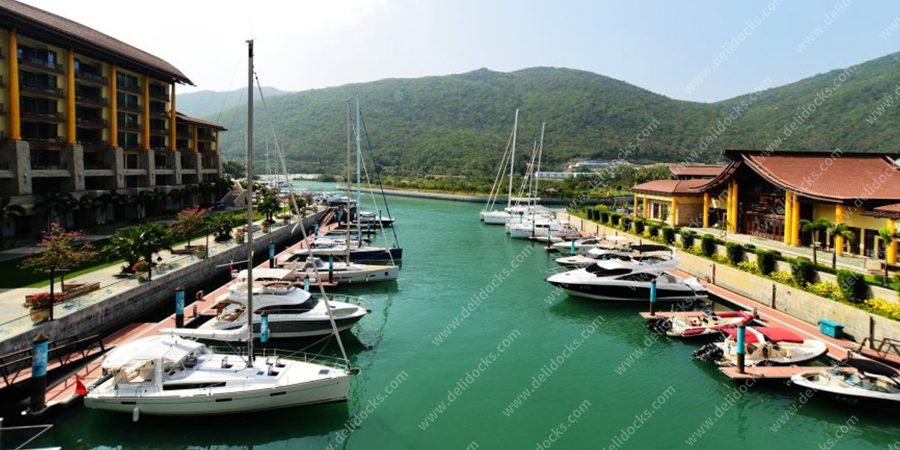
The 64-Foot Niche: Capability Versus Manageability
A 64-foot vessel sits in a unique bracket. It typically surpasses the “coastal cruiser” designation, entering the realm of true global passagemakers.
Vessels in this class, such as those built by reputable yards or following proven designs like a DeFever, are engineered for distance. They feature robust hull construction, significant fuel and water capacity, and sophisticated navigation systems. The 64 yacht offers a level of seakeeping and comfort in heavy weather that smaller vessels simply cannot match.
Yet, it frequently avoids the absolute requirement for a full-time, live-aboard crew that larger superyachts demand. Many are successfully operated by an owner-captain, perhaps with a partner, for extended voyages, hiring crew for specific passages or seasons. This balance of autonomy and capability is a key driver of its appeal.
Core Engineering and Design Priorities for a 64 Yacht
The design philosophy behind a serious 64 yacht is fundamentally different from that of a sport yacht or a day cruiser. Every system is built for redundancy and endurance.
Hull Form and Construction: The focus is on a full-displacement or semi-displacement hull designed for efficiency at cruising speeds, not top speed. Hulls are often heavily glassed or built of aluminum for strength. Integrity in long, deep ocean swells is non-negotiable.
Systems Redundancy: Twin engines are standard, but redundancy goes further. Multiple generators, watermakers, bilge pumps, and even hydraulic systems for stabilizers and bow thrusters are designed with backup options. A 64 yacht meant for remote cruising is essentially a self-contained village.
Stabilization Technology: This is arguably the single most important comfort feature. At 64 feet, both active fin stabilizers and at-anchor stabilization systems are common. They transform the living experience, making passages safer and time spent at rest more pleasant.
Layout Philosophy: Interior layouts prioritize long-term livability. You’ll find dedicated, full-beam master staterooms aft, multiple guest cabins, a formal salon, and a functional pilothouse. The galley is often designed as a true kitchen, positioned to be part of the social flow or, on a true passagemaker like a DeFever, elevated for visibility and security at sea.
The Marina Perspective: Berthing a 64 Yacht
From a marina engineering standpoint, a 64 yacht defines specific requirements that impact dock layout and services.
Berth Dimensions: A slip must account for not just the vessel’s 64-foot length overall (LOA), but also its beam, which can range from 16 to over 20 feet. The fairway width leading to the slip must allow for safe maneuvering of a vessel with significant windage. Finger piers must be strong enough to handle the yacht’s mass and occasional leaning.
Utility Demands: The power requirement is substantial. While a 50-amp single-phase service might suffice for smaller yachts, a 64 yacht often requires 100-amp or even three-phase 480V power connections for its hotel loads and system charging. Water pressure and volume needs are higher, and centralized waste pump-out stations must be readily accessible.
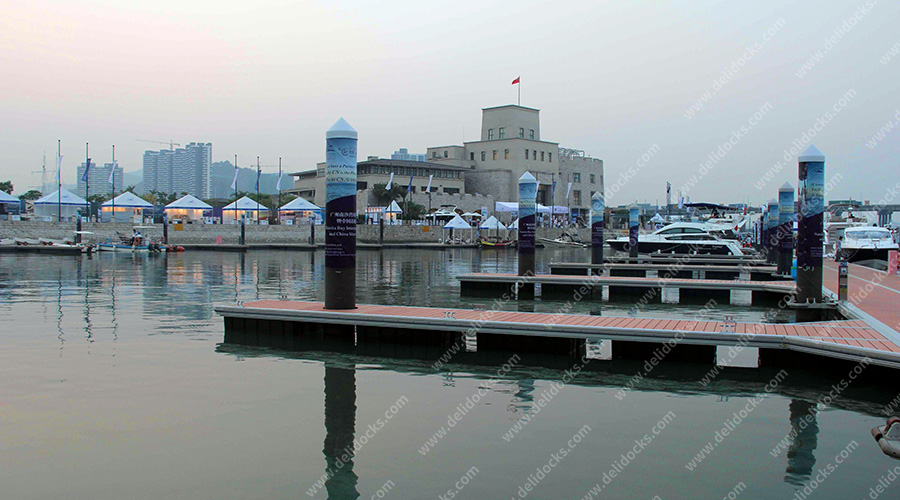
Dock Construction: Floating concrete docks or heavy-duty timber piers are the norm. The piling strength, fender system, and cleat sizing must be specified to handle the displacement and potential load forces of a vessel that can easily weigh 60-80 gross tons.
The Ownership Calculus: Costs Beyond the Price Tag
The acquisition cost of a 64 yacht varies wildly, from a pre-owned model at several hundred thousand dollars to a new, custom build exceeding several million. The more revealing numbers are in the ongoing costs.
Annual Operational Budget: A reasonable rule of thumb is allocating 10% of the yacht’s current value annually for maintenance, repairs, insurance, and docking. For a valuable 64 yacht, this can represent a significant six-figure sum. Insurance alone is a major line item, heavily influenced by the owner’s experience and cruising grounds.
Crew Considerations: While perhaps not requiring a permanent captain, periodic professional help for maintenance, deliveries, or as seasonal crew is common. This adds a layer of personnel management and cost.
Dockage Fees: In premium marinas, dockage is typically charged by the foot per month. A 64-foot vessel will command a premium rate, especially for a side-tie or end-tie (“T-head”) slip with deeper water and better exposure.
Making the Choice: A Buyer’s Reality Check
Purchasing a yacht of this magnitude should be driven by a clear mission profile. It is not an impulse buy.
Define the Mission: Is the goal endless tropical cruising, seasonal Mediterranean hops, or serving as a primary residence? The intended use dictates hull type, fuel capacity, and interior configuration. A long-range trawler yacht, such as a DeFever 64, prioritizes fuel efficiency and storage differently than a 64-foot motor yacht designed for coastal luxury.
The Survey is Paramount: For used vessels, a pre-purchase survey by a specialist familiar with ocean-going yachts is non-negotiable. This should include a thorough hull scan, engine load tests, and a detailed inspection of all mechanical and electrical systems. The survey report will form the basis for negotiations and future repair planning.
Consider the Support Network: Where will the yacht be based and where will it travel? Access to qualified yards and technicians familiar with the brand and its systems is a critical logistical factor. A complex 64 yacht stranded in a region without parts or expertise can become a financial quagmire.
Ultimately, a well-found 64 yacht represents one of the most fulfilling achievements in recreational seafaring. It offers the freedom to explore distant coasts with confidence and live aboard in substantial comfort. It demands respect, both for the sea it traverses and for the intricate engineering that makes those journeys possible. For the right owner, with the proper preparation and respect for its systems, it becomes not just a possession, but a passport to a unique and expansive way of life.
Frequently Asked Questions (FAQ)
Q1: Is a 64-foot yacht too big to handle without a professional crew?
A1: Not necessarily. Many experienced cruising couples successfully operate yachts of this size, especially models designed with owner-operation in mind, like pilot house trawlers. Proficiency with bow/stern thrusters, modern joystick control systems, and a willingness to take docking slowly are key. However, for long passages or in challenging conditions, hiring a delivery captain or seasonal mate is common and prudent.
Q2: What is the typical fuel consumption for a 64-foot displacement motor yacht?
A2: It varies greatly by hull type and engine. A full-displacement trawler yacht with twin medium-horsepower diesels might burn 6-10 gallons per hour (GPH) at 8-10 knots. A semi-displacement 64 yacht with higher-horsepower engines pushing it to 16-18 knots could easily burn 30-50+ GPH. Range, not speed, is the economic priority for most in this category.
Q3: How important are stabilizers, and what type is best?
A3: For a vessel of this size, stabilizers are widely considered essential for comfort and safety. Active fin stabilizers work underway to reduce roll. For a 64 yacht that will spend time at anchor, at-anchor stabilizer systems (like flopper stoppers or gyroscopic systems) are a transformative, albeit expensive, upgrade that significantly enhances livability.
Q4: What are the most common hidden costs when moving up to a 64-foot yacht?
A4: Beyond the obvious (docking, insurance, fuel), owners often underestimate: 1) The cost of updating electronics and software, 2) Routine maintenance on complex systems (stabilizers, watermakers, cranes), 3) The premium for parts and labor at yards that work on large yachts, and 4) Costs associated with compliance and safety equipment for different cruising regions.
Q5: Can a 64-foot yacht be a sound financial investment?
A5: A yacht should primarily be purchased for enjoyment, not appreciation. Like most vessels, a 64 yacht will depreciate, though well-built, iconic models from respected builders like DeFever can hold their value relatively well in the used market. The “return” is measured in experiences and lifestyle, not capital gains. Proper maintenance and careful purchase are the best ways to protect its residual value.