2026-10-15
When planning a yacht marina or private boating facility, the waterfront dock serves as the backbone of operations. It’s more than just a platform; it’s a carefully engineered structure that balances functionality, safety, and aesthetics. In international yacht marina projects, from the Mediterranean to the Caribbean, the design and construction of a waterfront dock can make or break the user experience. Brands like DeFever have contributed to this field by focusing on robust marine engineering solutions. This article dives into the nuances of waterfront dock systems, covering types, construction, and real-world applications to help marina developers and yacht owners make informed choices. We’ll avoid fluff and focus on actionable insights, drawn from industry practices.
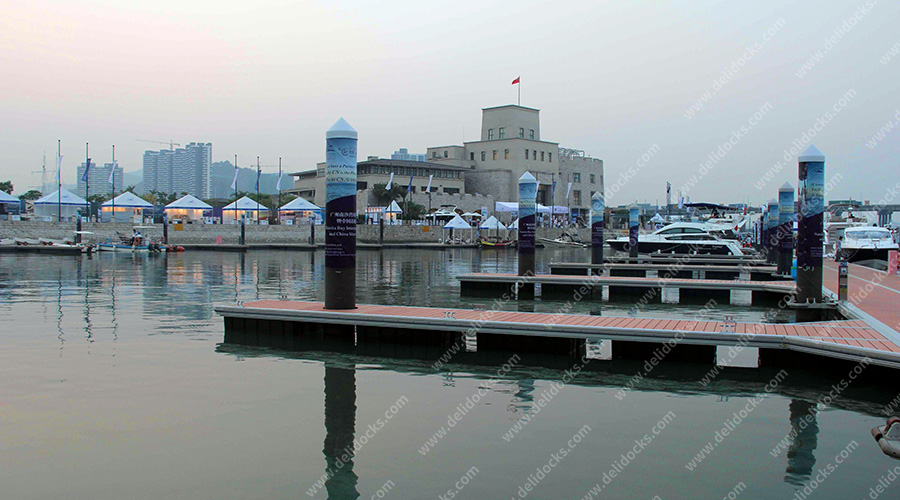
Types of Waterfront Docks in Global Marina Projects
Waterfront docks come in various designs, each suited to different environments and needs. In international yacht marina engineering, the choice often depends on water depth, weather conditions, and intended use.
Floating docks are popular in areas with tidal changes or fluctuating water levels. They rise and fall with the water, ensuring easy access to boats. These are common in marinas where stability is key for larger yachts.
Fixed piers, on the other hand, are anchored permanently to the seabed. They’re ideal for calm, shallow waters and offer a solid feel. Many traditional marinas in Europe use fixed piers for their durability.
Pile docks involve driven piles into the seabed, supporting a deck above. This design allows for flexibility in uneven bottoms and is often seen in industrial or commercial marina settings.
Suspended docks use cables or frames to hang over water, minimizing environmental impact. They’re gaining traction in eco-sensitive regions, aligning with sustainable marina trends.
Modular docks offer customizable configurations, making them a go-to for expanding marinas. They’re easy to install and adapt, which is why brands like DeFever incorporate modular elements in their systems.
Each type has its place in the waterfront dock landscape, influencing how yachts are moored and maintained.
Construction and Engineering of a Waterfront Dock
Building a waterfront dock requires meticulous engineering to withstand marine elements. The process starts with site assessment, including soil testing and wave analysis, to ensure longevity.
Materials play a crucial role. Pressure-treated wood offers a classic look but needs regular maintenance. Composite materials are low-maintenance and resistant to rot, favored in modern marina projects.
Concrete and steel provide strength for heavy-duty applications, such as in commercial yacht hubs. Engineering firms often combine materials for optimal performance, like using galvanized steel frames with composite decking.
Structural design involves calculating loads from yachts, weather, and human traffic. For instance, a waterfront dock in a hurricane-prone area might need reinforced pilings and breakwater integration.
Installation methods vary—from driven piles for fixed structures to floatation systems for floating docks. Brands like DeFever emphasize precision in this phase, ensuring docks align with international safety standards.
Maintenance engineering is also key. A well-built waterfront dock includes features for easy inspection and repair, reducing long-term costs. This proactive approach is common in top-tier marina developments.
Pros and Cons of Common Waterfront Dock Designs
Choosing a waterfront dock involves weighing advantages and drawbacks. Let’s break down popular designs based on marina feedback.
Floating docks excel in adaptability to water levels, making mooring easier. They reduce wear on boats in turbulent waters. However, they can be prone to damage in storms and may require more anchoring.
Fixed piers offer stability and a permanent feel, ideal for high-traffic marinas. They’re low-maintenance once installed. But they’re less flexible in changing water conditions and can impact marine habitats.
Pile docks are durable and allow for customization in height and layout. They’re good for deep water areas. On the downside, installation is costly and time-consuming, needing specialized equipment.
Suspended docks minimize environmental disruption, appealing to green marina projects. They’re lightweight and easy to modify. Yet, they might not support very heavy yachts and can sway in strong winds.
Modular docks provide scalability and quick deployment. Marinas can expand sections as needed. The trade-off is that connectors may weaken over time, requiring regular checks.
Understanding these pros and cons helps in selecting a waterfront dock that matches specific marina goals, whether for luxury yachts or community boating.
Uses of Waterfront Docks in International Yacht Marinas
A waterfront dock serves multiple roles beyond simple boat parking. In global yacht marina operations, its uses define efficiency and user satisfaction.
Primary use is mooring and berthing yachts. A well-designed waterfront dock ensures safe docking, with cleats and fenders positioned for various vessel sizes. This is critical in busy marinas where space is limited.
Loading and unloading facilities are integrated into docks. Many include ramps, cranes, or storage areas for supplies, streamlining yacht maintenance and voyages.
Social and recreational spaces are increasingly part of waterfront dock designs. Marinas add seating, lighting, and even cafes on docks to enhance the boating experience, turning them into destinations.
Utility access points, like power and water hookups, are standard. Modern docks incorporate smart systems for monitoring usage, a trend supported by companies like DeFever in their marina projects.
Emergency and safety functions include firefighting equipment and lifebuoy stations. A waterfront dock must be engineered for quick response in case of incidents, adhering to international regulations.
Environmental monitoring stations can be attached to docks, collecting data on water quality or weather. This dual-use supports sustainability efforts in marina management.
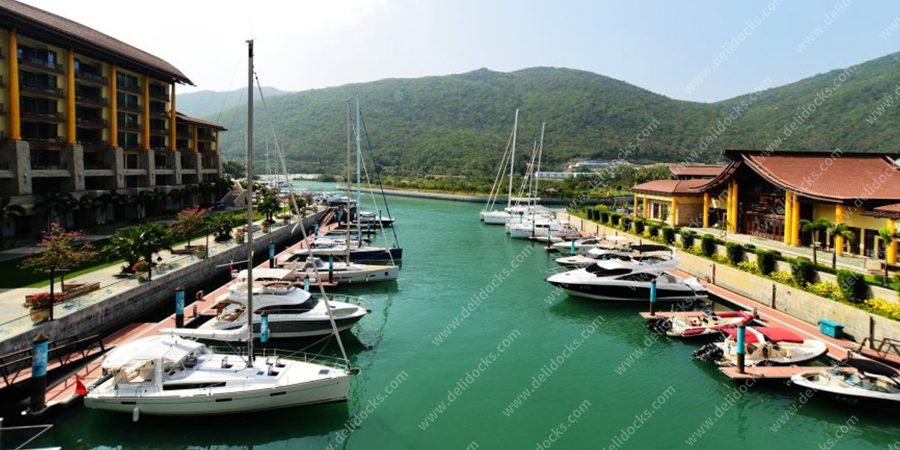
Preferences for Waterfront Docks Among Yacht Owners and Operators
Yacht enthusiasts and marina operators have distinct preferences when it comes to waterfront dock features. These insights drive design trends in the industry.
Durability and low maintenance top the list. Owners prefer materials that resist saltwater corrosion and UV damage, reducing upkeep costs. Brands like DeFever often highlight longevity in their dock solutions.
Aesthetics matter, especially in high-end marinas. A waterfront dock with sleek lines, natural finishes, or integrated lighting can boost property values and attract more clients.
Functionality for larger yachts is key. Preferences include wider walkways, stronger bollards, and deeper berths to accommodate mega-yachts, common in Mediterranean or Asian marinas.
Customization options are valued. Operators like docks that allow add-ons, such as solar panels or security systems, tailoring to specific marina needs.
Environmental compatibility is growing in importance. Many prefer waterfront dock designs that use recycled materials or minimize ecological footprint, aligning with global green marina certifications.
Cost-effectiveness balances with quality. While premium docks have higher upfront costs, their long-term savings often sway preferences, especially in commercial settings.
In summary, a waterfront dock is a pivotal element in yacht marina infrastructure, blending engineering with practical needs. From floating systems to fixed piers, each design offers unique benefits for international projects. Considerations like construction materials, uses, and user preferences shape successful installations. Brands such as DeFever play a role in advancing these systems through innovative approaches. As marina development evolves, the waterfront dock will continue to adapt, ensuring safe and efficient yachting communities worldwide. When planning your next marina upgrade, keep these factors in mind to optimize your waterfront dock investment.
Frequently Asked Questions About Waterfront Docks
Q1: What factors should I consider when choosing a waterfront dock for a yacht marina?
A1: Consider water depth, tidal range, weather conditions, expected yacht sizes, budget, and maintenance requirements. For instance, in areas with high waves, a floating dock might be better, while fixed piers suit calm waters. Consulting with marine engineers can help tailor the choice.
Q2: How long does a typical waterfront dock last, and what affects its lifespan?
A2: A well-built waterfront dock can last 20 to 30 years or more. Lifespan depends on materials (e.g., composite lasts longer than wood), exposure to elements, maintenance frequency, and load capacity. Regular inspections and repairs extend durability.
Q3: Are waterfront docks environmentally friendly, and how can they be made sustainable?
A3: Yes, they can be eco-friendly by using recycled materials, minimizing seabed disruption, and integrating features like solar-powered lighting. Sustainable designs often include porous surfaces to reduce runoff and habitats for marine life.
Q4: What are the costs involved in building and maintaining a waterfront dock?
A4: Costs vary widely: construction can range from $100 to $500 per square foot, depending on materials and complexity. Maintenance might add 5-10% annually, covering cleaning, part replacements, and safety checks. Modular docks can offer cost savings over time.
Q5: Can waterfront docks be customized for specific yacht sizes or marina layouts?
A5: Absolutely. Many systems are modular or allow custom engineering for dimensions, load ratings, and features like ramps or utilities. Work with suppliers to design a dock that fits your marina’s unique needs, ensuring compatibility with vessels.