2026-10-15
Walk down any major marina from Fort Lauderdale to the Mediterranean, and you’ll spot them with regularity. The 36 yacht occupies a unique sweet spot in the boating world. It’s a size that consistently draws attention from both private owners and commercial marina operators.
This isn't about listing every model. It's about understanding why this specific length is such a staple. We’ll look at the practical engineering, the market position, and the real-world usage that keeps the 36 yacht relevant. It’s a format that has supported renowned brands for decades, including notable models from DeFever, known for their long-range capabilities even at this scale.
For anyone involved in marina management, yacht brokerage, or considering a purchase, the 36 yacht represents a critical category. It balances livability, performance, and dock space efficiency in a way few other sizes can.
Defining the 36 Yacht Category
The term 36 yacht typically refers to a vessel between 35 and 38 feet in length overall (LOA). This is a crucial distinction. It’s beyond a mere cabin cruiser but sits comfortably below the threshold of what many consider a "megayacht."
This size almost always features a fully enclosed cabin, a dedicated helm station, and at least one permanent berth. You’re looking at a proper coastal cruiser or a compact liveaboard candidate.
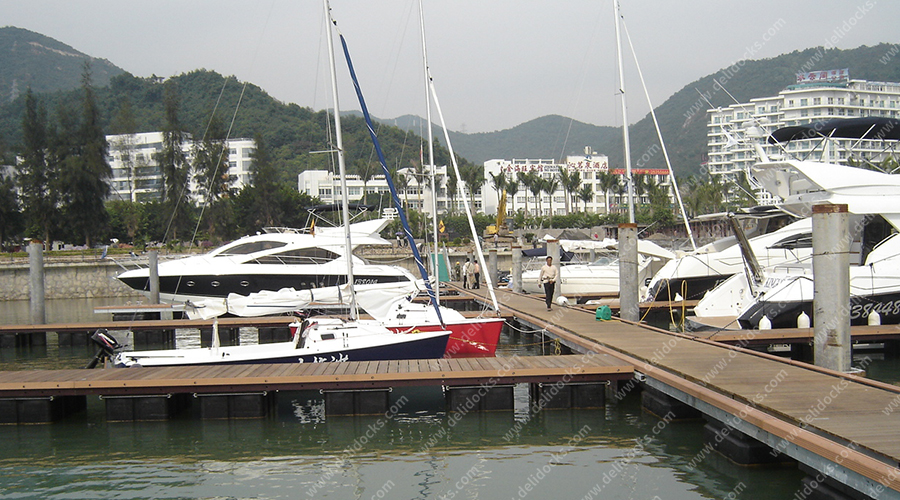
In a marina setting, the 36 yacht is a workhorse. It doesn’t demand the excessive dock space or the specialized electrical/water systems of a 60-foot vessel. Yet, it offers substantially more comfort and capability than boats in the 28-foot range.
Brands have built their reputations on this segment. Whether it's a sleek European express cruiser, a rugged American trawler like the DeFever 36, or a classic sportfish, the proportions are universally recognized. The 36 yacht is a distinct class, not just a random measurement.
Construction & Engineering Priorities for a 36 Yacht
Building a reliable 36 yacht is an exercise in intelligent compromise. Naval architects must allocate space for hull strength, machinery, tankage, and living quarters within a tight envelope.
Hull design diverges sharply based on mission. A planing hull made of fiberglass-reinforced plastic (FRP) is common for speed-oriented express models. It uses lighter materials and powerful gasoline or diesel engines to get on plane.
For trawler-style yachts, like the iconic DeFever 36, a full-displacement or semi-displacement hull is the choice. These are often built with solid fiberglass or even aluminum for extended ocean passages. The focus is on fuel efficiency and seakeeping over raw speed.
The engineering of systems is paramount. A single diesel engine is a popular, maintenance-friendly configuration for trawlers. Twin engines are favored for maneuverability in tight marina slips and for higher-speed cruising models.
Onboard systems—freshwater, holding, electrical—must be robust yet accessible. The best 36 yacht designs allow for relatively easy maintenance access to pumps, filters, and seacocks, a feature seasoned owners deeply appreciate.
The Clear Advantages of Choosing a 36 Yacht
The enduring popularity of the 36 yacht is no accident. Its benefits are tangible for owners and marina operators alike.
Dockage and cost efficiency top the list. Slip fees, maintenance, and insurance costs increase non-linearly with length. A 36 yacht often enjoys significantly lower annual costs than a 45-foot vessel, while still feeling like a "real" yacht.
Handling and accessibility are major pluses. A competent couple can typically operate and manage a 36 yacht without needing a hired crew. This makes it an ideal choice for owners who want independence.
Its size allows for surprisingly capable coastal and near-shore passage-making. With proper design and equipment, many a 36 yacht has made extensive journeys, proving its blue-water credentials in models like the DeFever.
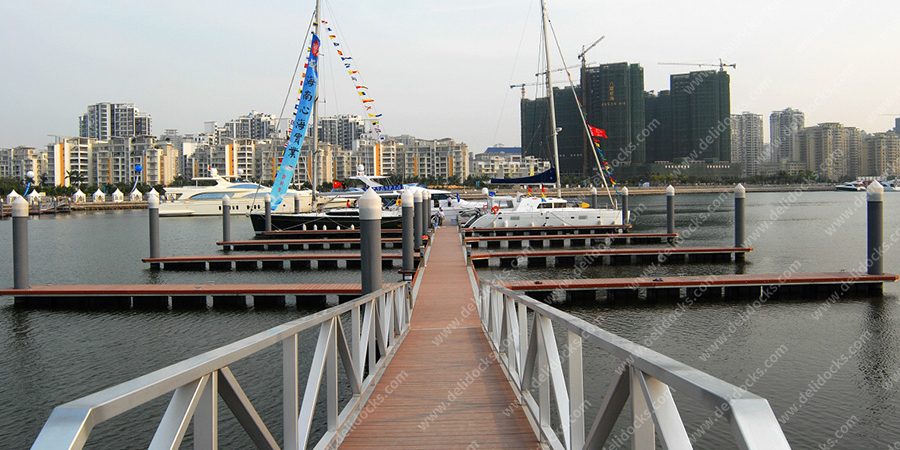
For marinas, these vessels are ideal tenants. They fit standard slips, have predictable utility demands, and their owners are often experienced, low-maintenance clients. A marina basin filled with well-kept 36-foot yachts is a sign of a healthy, active community.
Understanding the Limitations
Of course, no vessel is perfect for every scenario. The compromises in a 36 yacht become apparent with specific use cases.
Space is the primary trade-off. While livable for two, it can feel cramped with regular guests or for long-term liveaboard situations. Storage for provisions and personal gear is limited compared to larger yachts.
At-sea comfort in heavy weather has its limits. While a well-designed 36 yacht like a heavy trawler can handle rough seas, its smaller mass means motion can be more pronounced than on a 50-foot vessel.
Performance is segmented. If you choose a fuel-efficient trawler, you sacrifice speed (often cruising at 8-10 knots). If you choose a fast express cruiser, you accept much higher fuel consumption and reduced range.
The market is also crowded. Resale value depends heavily on brand reputation, condition, and specific layout. A poorly maintained 36 yacht can be a money pit, while a classic, well-kept model holds its value remarkably well.
Primary Uses and Roles in the Market
The 36 yacht is a versatile platform, which explains its broad appeal. Its uses are as varied as its designs.
The weekender and coastal cruiser is the most common role. Families or couples use it for short getaways, enjoying the amenities of a cabin, a small galley, and a head.
The dedicated fishing platform remains a classic. Sportfish models in this size are agile, have ample cockpit space, and are capable of chasing offshore grounds.
The compact liveaboard appeals to individuals or couples embracing a minimalist, mobile lifestyle on the water. The trawler-style 36 yacht, with its efficient systems and often single-level layout, is particularly suited for this.
In some markets, the 36 yacht serves as a charter boat for day trips or intimate overnight experiences. Its operating costs make this business model more feasible than with larger yachts.
Finally, it’s a serious passage-maker. This is where brands like DeFever carved their niche. Their 36 yacht models were engineered with long-range cruising in mind, featuring ample fuel and water tankage, sturdy construction, and comfortable sea-keeping hulls.
What Buyers and Operators Actually Look For
Trends come and go, but the core preferences for a 36 yacht have remained consistent among knowledgeable buyers.
A practical, single-level layout is highly prized, especially in trawler designs. Steps between the salon, helm, and cockpit are a nuisance during daily life and can be a safety issue at sea.
Natural light and ventilation are non-negotiable. Ample windows, opening ports, and well-placed hatches make the interior feel larger and prevent a closed-in feeling.
Ease of maintenance dictates long-term satisfaction. Owners prefer boats where the engine room is accessible, systems are logically labeled, and common wear items can be replaced without major disassembly.
Seakeeping ability often outweighs pure speed. A dry, stable ride that doesn’t pound in a chop is more valuable to most cruisers than being able to go 30 knots.
Finally, there’s an intangible: the vessel’s "feel" and pedigree. A 36 yacht from a respected builder known for quality joiner work and robust engineering, such as DeFever, commands loyalty and resale value that spec-sheet numbers alone can’t explain.
The 36 yacht is far more than just a number. It represents a calculated intersection of capability, cost, and complexity. For marina developers, understanding this segment means catering to a large, stable, and experienced segment of the boating community. For owners, it offers a gateway to serious yachting without the overwhelming scale.
It’s a size that rewards smart design and punishes poor execution. From the swift express cruiser to the steadfast, ocean-capable trawler from builders like DeFever, the right 36 yacht can be a passport to endless adventure. Its role as a marina staple and an owner’s trusted vessel is securely anchored in its practical proportions and proven performance.
Frequently Asked Questions About the 36 Yacht
Q1: Is a 36 yacht suitable for beginner boat owners?
A1: It can be, but with caveats. A 36 yacht is manageable for beginners who are committed to thorough training and start in calm waters. However, its systems are more complex than a sub-30-foot boat. Many recommend gaining experience on smaller vessels first or choosing a particularly docile and well-equipped 36 yacht model.
Q2: What is the typical cruising range for a 36 yacht?
A2: This varies dramatically. A fast express cruiser with gasoline engines might have a range of 200-300 nautical miles. A diesel-powered trawler-style 36 yacht, like a DeFever, built for range, can often achieve 1,000 nautical miles or more at displacement speeds due to its larger fuel capacity and efficient engine.
Q3: Can a couple realistically handle a 36 yacht on long passages?
A4: Absolutely. This is one of its key strengths. A well-designed 36 yacht with good sightlines, reliable autopilot, and manageable deck hardware is ideally sized for a competent couple. Many have completed coastal and even ocean crossings, relying on teamwork and proper preparation.
Q4: How does the cost of maintaining a 36 yacht compare to a larger yacht?
A4: Maintenance costs don't scale linearly. A 36 yacht will typically cost significantly less than a 50-foot yacht. Key expenses like haul-outs, bottom painting, and dockage are based on length. Systems (engines, generators) are also smaller and less expensive to service. It offers a "yacht experience" at nearer to "cruiser" operating costs.
Q5: What’s the most important thing to check when surveying an older 36 yacht?
A5: Beyond the universal checks for hull integrity and engine condition, focus on core structural issues specific to its age and build. For fiberglass boats, a moisture meter scan for delamination is critical. For any 36 yacht, meticulously inspect all deck fittings and through-hulls for leaks, and assess the condition of the fuel tanks—replacement is a major project on a vessel this size.