2026-10-15
When you think of a luxurious yacht marina, what comes to mind? Sleek vessels, sparkling waters, and perhaps the elegant pathways that connect the docks—the plank road design. As an integral part of international yacht marina engineering, plank road design not only enhances functionality but also adds aesthetic appeal to marine infrastructures. In this comprehensive guide, we’ll dive deep into the world of plank road design, exploring its types, construction processes, advantages, disadvantages, and applications in yacht marinas. Whether you’re a marina developer, engineer, or yacht enthusiast, understanding these elements can help you make informed decisions. And yes, we’ll even touch on how renowned brands like DeFever incorporate these designs into their projects. So, let’s set sail into the details!
What Is Plank Road Design?
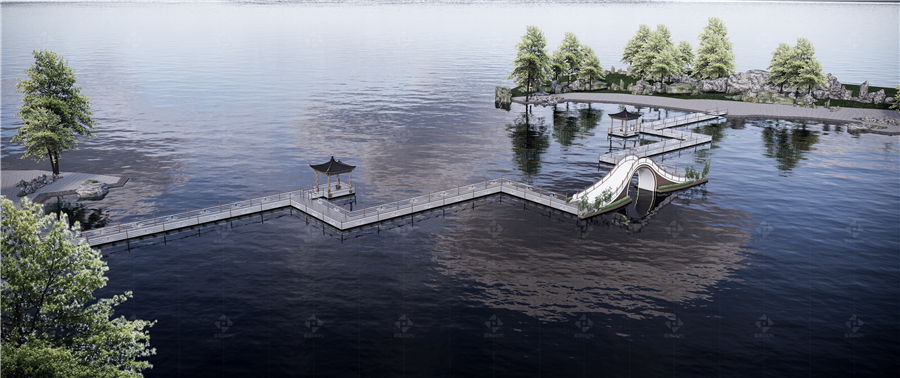
Plank road design refers to the engineering and architectural planning of walkways, piers, and access routes in marine environments, typically using wooden or composite planks. This design is crucial in yacht marinas for providing safe, durable, and visually pleasing pathways that withstand harsh marine conditions. Over the years, plank road design has evolved from simple wooden boards to sophisticated systems that integrate sustainability and advanced materials. In the context of international yacht marina engineering, a well-executed plank road design ensures smooth operations, enhances user experience, and complements the overall marina layout. For instance, companies like DeFever have been at the forefront of integrating innovative plank road designs into their yacht marina projects, ensuring durability and elegance.
Types of Plank Road Design
Plank road design isn’t a one-size-fits-all solution; it varies based on materials, structure, and intended use. Here are the most common types found in yacht marinas:
Traditional Wooden Plank Roads
These are classic designs using hardwoods like teak, ipe, or cedar. They offer a natural, rustic look that blends seamlessly with marine environments. However, they require regular maintenance to prevent rot and insect damage. In yacht marina engineering, wooden plank road design is often chosen for its timeless appeal and ease of repair.
Composite Plank Roads
Made from recycled plastics and wood fibers, composite planks are gaining popularity due to their low maintenance and eco-friendly properties. They resist moisture, UV rays, and fading, making them ideal for high-traffic areas in marinas. This type of plank road design is often used in modern yacht marinas aiming for sustainability.
Aluminum and Steel Grid Plank Roads
These designs incorporate metal grids for superior strength and slip resistance. They are commonly used in heavy-duty marina sections, such as loading zones or repair docks. The open grid allows water drainage, reducing algae growth and improving safety.
Modular Plank Road Systems
Prefabricated modular designs allow for quick installation and flexibility. They are perfect for temporary or expanding marinas, where adaptability is key. This plank road design type is often seen in international projects where speed and efficiency are prioritized.
Each type has its niche, and the choice depends on factors like budget, climate, and marina usage. For example, DeFever’s projects often blend composite and wooden plank road designs to balance aesthetics and functionality.
Construction and Engineering of Plank Roads
Building a plank road for a yacht marina involves meticulous planning and engineering to ensure longevity and safety. The process typically includes:
Site Assessment and Design Planning
Engineers begin by evaluating the marina’s topography, water levels, and environmental conditions. This phase includes creating detailed blueprints for the plank road design, considering load-bearing capacities, tidal influences, and accessibility. Advanced software is used to simulate stresses and durability, ensuring the design meets international yacht marina standards.
Material Selection and Sourcing
Depending on the chosen type, materials are sourced sustainably. For wooden plank road designs, treated hardwoods are preferred for their resistance to marine borers and decay. Composite materials are selected based on UV stability and recyclability. In projects like those by DeFever, emphasis is placed on using locally sourced materials to reduce carbon footprint.
Foundation and Support Structures
The foundation is critical for plank road design. It often involves driving piles into the seabed or using floating pontoons. Engineers ensure that the support system can handle dynamic loads from foot traffic, equipment, and environmental forces like waves and wind. Reinforced concrete or galvanized steel is commonly used for durability.
Installation and Finishing
Planks are installed with gaps for drainage and expansion. Fasteners are corrosion-resistant, such as stainless steel or aluminum, to prevent rust. The surface is finished with non-slip coatings or textures to enhance safety. Regular inspections during construction ensure that the plank road design adheres to engineering specifications.
This rigorous process highlights why plank road design is a specialized field within yacht marina engineering, requiring collaboration between architects, engineers, and environmental experts.
Advantages and Disadvantages of Plank Road Design
Like any engineering solution, plank road design comes with its pros and cons. Understanding these can help marina operators make informed choices.
Advantages:
Aesthetic Appeal: Plank road design adds a natural or modern touch to marinas, enhancing the overall ambiance. Wooden plans, for instance, evoke a classic nautical feel.
Durability and Longevity: When properly constructed, plank roads can last decades with minimal upkeep. Composite materials, in particular, offer excellent resistance to weathering.
Safety: Non-slip surfaces and sturdy constructions reduce accident risks, which is crucial in busy yacht marinas.
Environmental Benefits: Using sustainable materials like composite planks or certified wood supports eco-friendly yacht marina engineering. Brands like DeFever often highlight this in their projects to appeal to environmentally conscious clients.
Customizability: Plank road design can be tailored to fit specific marina layouts, whether curved pathways or multi-level docks.
Disadvantages:
Maintenance Costs: Wooden plank roads require regular sealing, staining, and repairs to combat rot and insect damage.
Initial Investment: High-quality materials and engineering can be expensive, though they pay off in the long run.
Susceptibility to Elements: In extreme climates, plank roads may warp or degrade without proper treatment.
Installation Complexity: Specialized skills are needed for construction, which can delay projects if not managed well.
Despite these drawbacks, the benefits often outweigh them, especially when integrated into a well-planned yacht marina.
Applications in Yacht Marinas
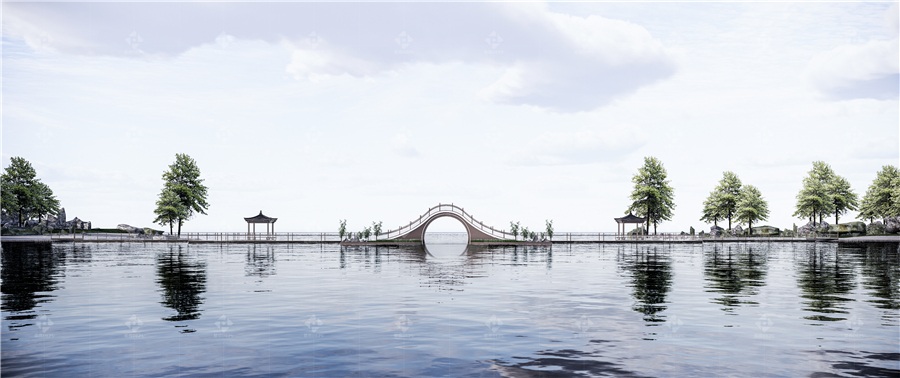
Plank road design is versatile and finds numerous applications in international yacht marina engineering:
Main Walkways and Promenades
These are the primary access routes for visitors and staff, where plank road design ensures comfort and safety. For example, wide composite plank roads are used in marinas to handle heavy foot traffic while maintaining a sleek look.
Dock Access and Finger Piers
Plank roads connect docks to shore or between vessels, providing stable pathways for boarding and maintenance. In luxury marinas, this design often includes lighting and seating integrated into the planks.
Recreational Areas
Many marinas feature parks, restaurants, or event spaces linked by plank roads. Here, the design focuses on aesthetics and comfort, using materials that complement the surroundings.
Utility and Service Zones
In areas requiring heavy equipment movement, such as fuel docks or repair bays, robust plank road designs with metal grids are employed for added strength.
Companies like DeFever utilize these applications to create functional yet beautiful marina environments, emphasizing how plank road design enhances both usability and visual appeal.
Popular and Preferred Types of Plank Roads
In recent years, trends in plank road design have shifted towards sustainability and innovation. Here are some preferred types in the yacht marina industry:
Hybrid Plank Road Systems
Combining wood and composite materials, these systems offer the best of both worlds: the beauty of wood and the durability of composites. They are increasingly popular in high-end marinas.
Green Plank Roads
These incorporate eco-friendly features like permeable surfaces that reduce runoff and support marine life. They align with global sustainability goals in yacht marina engineering.
Smart Plank Roads
Integrated with sensors for monitoring structural health or foot traffic, these designs represent the future of marina infrastructure. They help in predictive maintenance and safety management.
DeFever, for instance, has been experimenting with smart plank road designs in their latest projects, showcasing how technology can elevate traditional marina elements.
Plank road design is more than just a functional element in yacht marinas; it’s a blend of art, engineering, and environmental science. From the types and construction methods to the advantages and applications, every aspect plays a vital role in creating efficient and attractive marine spaces. As the industry evolves, we can expect even more innovative approaches, driven by brands like DeFever, who continue to push the boundaries of what’s possible in yacht marina engineering. Whether you’re planning a new marina or upgrading an existing one, investing in a well-thought-out plank road design can make all the difference. So, next time you stroll along a marina, take a moment to appreciate the intricate plank road design beneath your feet—it’s a testament to human ingenuity and nature’s beauty.
Frequently Asked Questions (FAQs)
Q1: What is the typical lifespan of a plank road design in a yacht marina?
A1: The lifespan varies based on materials and maintenance. Wooden plank roads can last 15-25 years with proper care, while composite or metal designs may endure 30+ years. Regular inspections and treatments are key to maximizing durability.
Q2: How does plank road design contribute to safety in yacht marinas?
A2: Plank road design enhances safety through non-slip surfaces, sturdy constructions, and proper drainage. This reduces risks of slips, falls, and structural failures, especially in wet conditions common in marinas.
Q3: Are there environmental concerns with using wooden plank roads?
A3: Yes, if not sourced sustainably. However, many marinas now use certified woods or composites made from recycled materials to minimize environmental impact. This aligns with eco-friendly practices in yacht marina engineering.
Q4: Can plank road design be customized for unique marina layouts?
A4: Absolutely! Plank road design is highly customizable in terms of shape, size, and materials. Engineers can create curved, angled, or multi-level pathways to fit specific site requirements.
Q5: What maintenance is required for composite plank road designs?
A5: Composite plank roads require minimal maintenance—usually just occasional cleaning with soap and water to prevent mold or stains. Unlike wood, they don’t need sealing or painting, making them a cost-effective choice long-term.
Q6: How do brands like DeFever incorporate plank road design into their projects?
A6: DeFever integrates plank road design by focusing on durability, aesthetics, and sustainability. They often use hybrid systems and smart technologies to create marinas that are both functional and visually appealing, setting benchmarks in the industry.
By addressing these common queries, we hope to have shed light on the intricacies of plank road design in the context of international yacht marina engineering. If you have more questions, feel free to reach out or explore further resources on this fascinating topic!