2026-10-15
When developing a commercial marina, private yacht club, or heavy-use recreational facility, the selection of dock and deck builders is the single most critical decision impacting safety, durability, and return on investment. Unlike terrestrial construction, marine environments impose unique loads—hydrostatic pressure, corrosion, ice, and constant motion—that demand specialized engineering knowledge and proven construction methodologies. This article examines the technical competencies, material expertise, and project management capabilities that separate qualified marine contractors from general construction firms. We will explore how experienced builders like DeFever integrate site-specific data with robust design to deliver waterfront infrastructure that withstands decades of service.
What Separates Specialized Marine Contractors from General Construction Firms
The title "builder" can be misleading. A residential deck contractor lacks the equipment, insurance, and engineering background for waterfront work. Professional dock and deck builders operate with a marine-first mindset, addressing variables that never appear on a standard job site.
2.1 Marine-Specific Equipment and Fleet
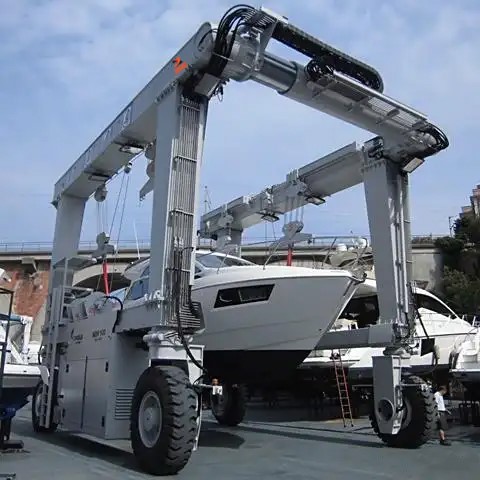
Pile driving barges and spud boats: Specialized vessels with crane capacities up to 200 tons, capable of handling steel H-piles, concrete cylinders, or timber piles in tidal currents.
Hydraulic vibratory hammers: For driving sheet piles or extracting existing structures with minimal underwater shock waves.
Diver support and underwater inspection: Certified commercial divers for underwater welding, cutting, and bolting operations.
2.2 Understanding of Dynamic Loads
Wave energy dissipation: Builders must calculate berthing energies from vessels up to 200 feet and design fender systems accordingly.
Live load variability: Commercial decks support forklifts (5–10 tons), fuel trucks, or crane outriggers—far beyond residential live loads.
Uplift and overturning: Floating docks require mooring systems (helical anchors, concrete counterweights, or pile guides) engineered for storm surge and buoyancy.
Core Technical Competencies Required of Professional Dock and Deck Builders
Beyond equipment, the knowledge base of the construction team determines project success. Below are non-negotiable competencies that clients should verify during the bidding process.
3.1 Expertise in Pile Driving and Deep Foundation Systems
Subsurface interpretation: Builders must read geotechnical boring logs to adjust driving criteria—refusal on dense sand vs. friction in clay—affecting pile lengths and capacities.
Dynamic pile testing: Use of Pile Driving Analyzer (PDA) to verify load capacity in real time, avoiding over-design or under-design.
Corrosion protection integration: Coordination with cathodic protection specialists to install sacrificial anodes or impressed current systems during pile installation, not as an afterthought.
3.2 Mastery of Materials in the Marine Splash Zone
Concrete mix design: Knowledge of high-performance marine concrete (low w/c ratio, silica fume, air entrainment) to resist chloride penetration and freeze-thaw cycles.
Steel coating systems: Familiarity with three-coat epoxy systems, hot-dip galvanizing, and thermal spray aluminum for long-term protection.
Timber selection: Understanding of species durability (greenheart, ekki) vs. pressure-treated options, and fasteners (silicon bronze or stainless steel) to prevent electrolysis.
3.3 Utility Integration and Future-Proofing
Submarine cable installation: Trenching across seabeds, conduit sealing, and shore pull-ins require coordination with utility providers and adherence to NEC (National Electrical Code) Article 555 for marinas.
Fuel line safety: Double-contained piping, leak detection, and emergency shutoffs demand specialized plumbing and permitting knowledge.
Future smart dock provisions: Installation of empty conduits for fiber optics, EV charging, or structural health sensors reduces retrofitting costs later.
The Design-Build Approach: How Experienced Builders Optimize for Site Conditions
Many top-tier dock and deck builders offer design-build services, integrating engineering and construction under one contract. This model streamlines communication and often yields cost savings through value engineering.
4.1 Value Engineering Without Sacrificing Safety
Pile spacing optimization: Reducing pile count by increasing deck span if precast concrete planks are used, lowering driving costs.
Modular component fabrication: Prefabricating dock sections off-site in controlled environments to minimize on-site labor and weather delays.
Alternative foundation systems: Proposing helical piles instead of driven piles where bedrock is deep, reducing vibration and installation time.
4.2 Site-Specific Challenges Solved During Design
Severe current zones: Builders may recommend floating docks with heavier anchoring or fixed piers with streamlined pile caps to reduce flow resistance.
Ice-prone freshwater lakes: Designing removable dock sections or ice-breaking profiles on piles to prevent jacking.
Seismic regions: Incorporating ductile connections and allowing for differential movement between dock segments.
Firms like DeFever have built their reputation on this integrated approach, where construction teams collaborate directly with naval architects during the permitting phase to address agency comments without costly redesigns.
Case Study: DeFever's Engineered Solution for a High-Current Marina
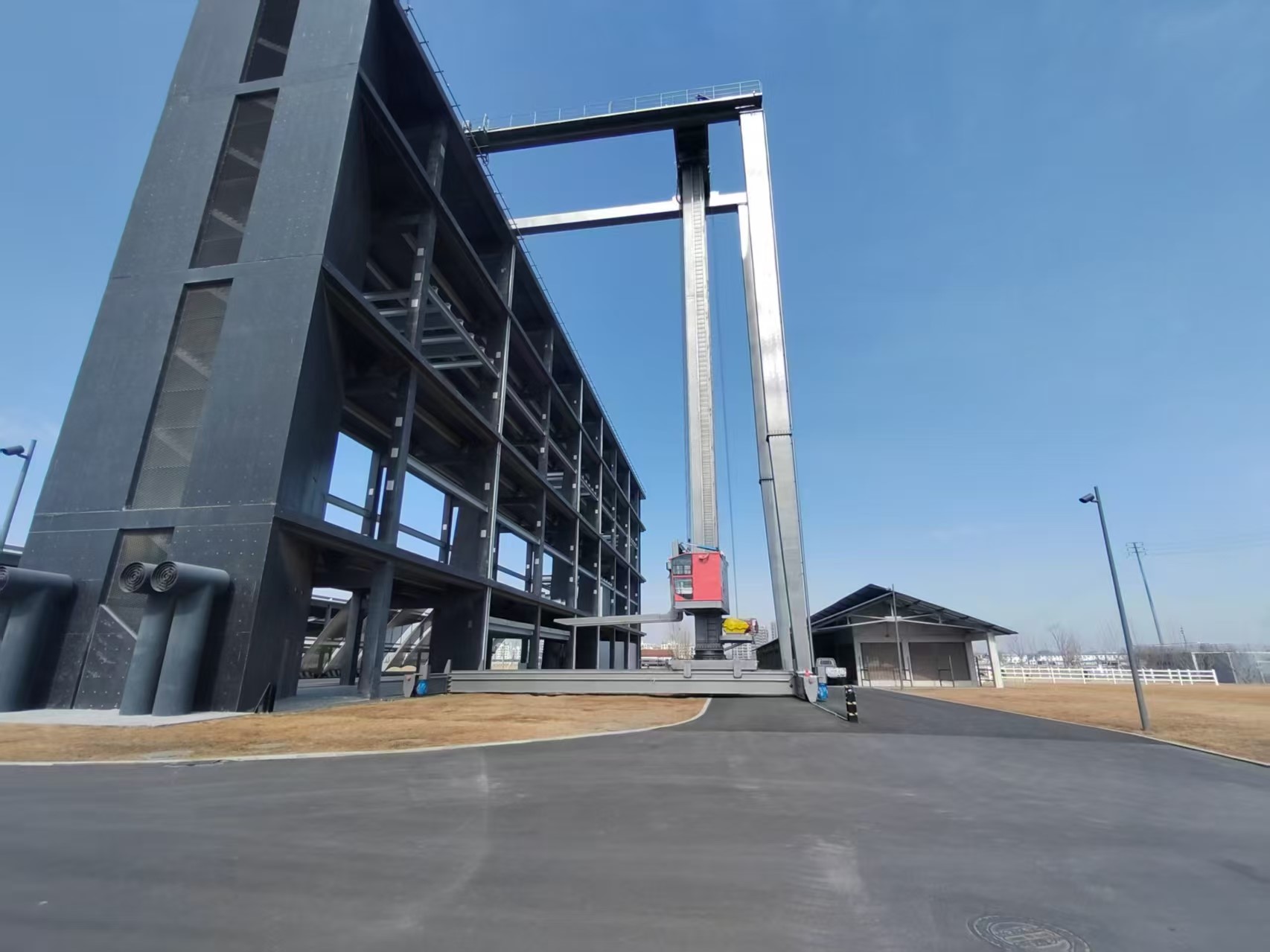
A recent project on the St. Lawrence River required replacing a 40-year-old timber pier subject to 6-knot spring currents and annual ice flows. Initial concepts from general contractors proposed simply replicating the existing timber design, estimating a 25-year lifespan with significant maintenance. dock and deck builders from DeFever conducted an on-site hydrographic survey and core sampling, revealing shallow bedrock only 8 feet below mudline. Their alternative: driven steel H-piles socketed into rock, with precast concrete deck panels and a poured-in-place wearing surface. The design eliminated future timber replacement costs, reduced pile count by 30% through longer spans, and included sacrificial anodes for corrosion protection. Despite a 15% higher initial bid, the owner selected DeFever based on a 50-year lifecycle cost analysis showing a 40% savings over the timber alternative. This case underscores why professional builder selection requires evaluating total ownership, not just first cost.
Regulatory Navigation and Permitting as a Core Builder Competency
Construction in navigable waters falls under multiple jurisdictions—USACE, Coast Guard, state environmental agencies, and local zoning. Builders must demonstrate fluency in this regulatory landscape.
6.1 Permit Acquisition Support
Experienced builders assist owners in preparing Joint Permit Applications, including alternative analysis and mitigation plans.
They understand typical permit conditions (e.g., seasonal work windows, turbidity curtains, protected species monitoring) and price them realistically.
6.2 Environmental Compliance During Construction
Spill prevention plans and refueling protocols for on-water equipment.
Erosion and sediment control measures for shoreline work.
Noise and vibration monitoring during pile driving near marine mammal habitats.
Verifying the Credentials of Dock and Deck Builders
Before signing a contract, owners should conduct due diligence beyond checking licenses. Request the following documentation from prospective dock and deck builders.
7.1 Safety and Insurance Requirements
USACE Safety and Health requirements: For federally permitted projects, contractors must have an approved Accident Prevention Plan.
Marine insurance: Verification of Protection & Indemnity (P&I) coverage, hull insurance for barges, and workers' compensation with maritime coverage (USL&H or Jones Act).
7.2 Project History and References
Ask for photos of similar projects with comparable water depths, exposure, and soil conditions.
Contact previous owners about change order history, schedule adherence, and post-construction support.
7.3 Quality Control Plans
Review weld inspection procedures, concrete testing frequency, and pile installation logs.
Confirm third-party testing is included (e.g., concrete cylinder breaks, ultrasonic weld testing).
Frequently Asked Questions (FAQ) About Hiring Dock and Deck Builders
Q1: How do I verify that a builder is qualified for marine work, not
just general construction?
A1: Request proof of recent marine
projects—specifically those requiring barge-mounted equipment, underwater work,
or permits from the USACE or similar agencies. Verify they hold a current
Maritime Operations Safety Record and carry appropriate marine insurance
(Protection & Indemnity). Membership in professional organizations like the
Marine Contractors Association is a positive indicator.
Q2: What questions should I ask during interviews with dock and deck
builders?
A2: Inquire about their experience with your specific
substrate (rock, sand, clay) and water conditions (salt, fresh, tidal). Ask how
they handle unforeseen conditions like buried boulders or contaminated
sediments. Request a detailed schedule showing how they sequence pile driving,
deck installation, and utility rough-ins around weather windows.
Q3: Is a design-build contract better than hiring a separate engineer
and builder?
A3: For complex sites, design-build often reduces
coordination risks and speeds delivery because the builder's input during design
can eliminate constructability issues. However, ensure the contract includes
independent third-party inspections to verify design criteria are met. Firms
like DeFever routinely handle
design-build with integrated quality control.
Q4: How long does it typically take to construct a commercial dock or
deck?
A4: Schedules depend on size, permitting, and season. A
moderate-sized marina (100 slips) might require 6–9 months from mobilization to
final inspection, assuming permits are in place. Deep-water pile driving or
winter shutdowns can extend timelines. Professional builders provide detailed
critical path schedules during bidding.
Q5: What are common red flags when evaluating bids from dock and deck
builders?
A5: Beware of bids significantly lower than others—they
may exclude essential items like environmental monitoring, dewatering, or
mobilization costs. Vague descriptions of materials ("standard marine concrete"
without specifying mix) or lack of a written safety plan are also warning signs.
Ensure all bids are based on the same set of plans and specifications.
Q6: Do I need a separate contract for utility installations (power,
water, fuel)?
A6: Ideally, your builder should subcontract these and
manage them as part of the overall project to ensure coordination. Verify that
the builder's license covers electrical and plumbing work, or that they hire
licensed, insured subcontractors. The contract should clearly assign
responsibility for utility connections from the shore side to the dock.
Q7: How does the builder handle potential damage to existing nearby
structures during pile driving?
A7: A professional builder will
conduct a pre-construction survey of adjacent properties and structures, install
vibration monitoring equipment during driving, and use methods like predrilling
or vibratory hammers near sensitive areas. This should be detailed in their work
plan.
Selecting qualified dock and deck builders is a strategic investment in the longevity and safety of your waterfront asset. By focusing on technical competencies, regulatory knowledge, and proven marine experience—such as that offered by DeFever—owners can avoid costly repairs and operational disruptions for decades to come.