2026-10-15
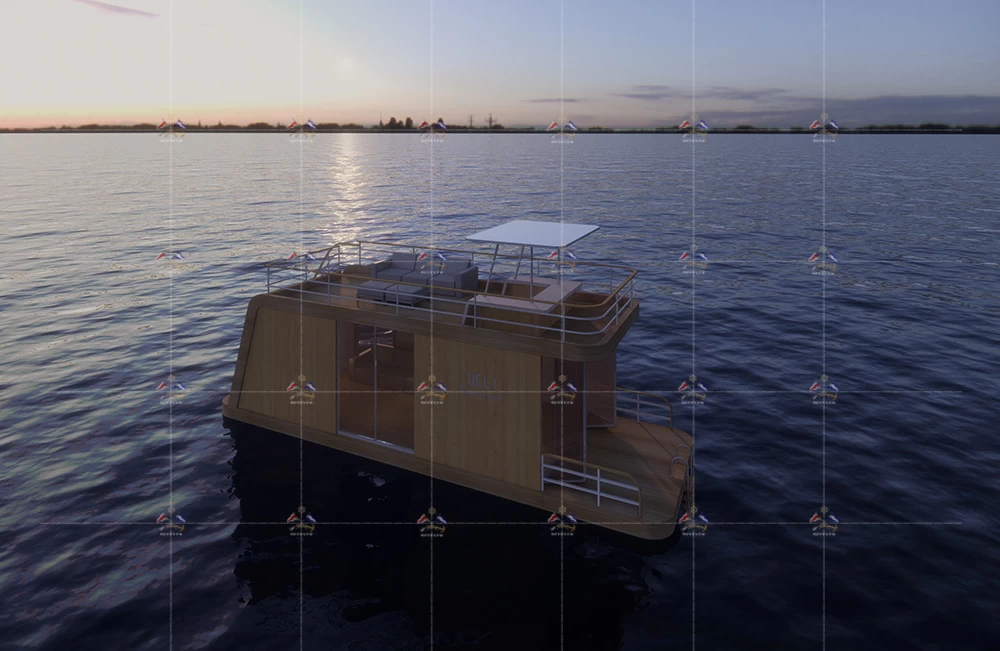
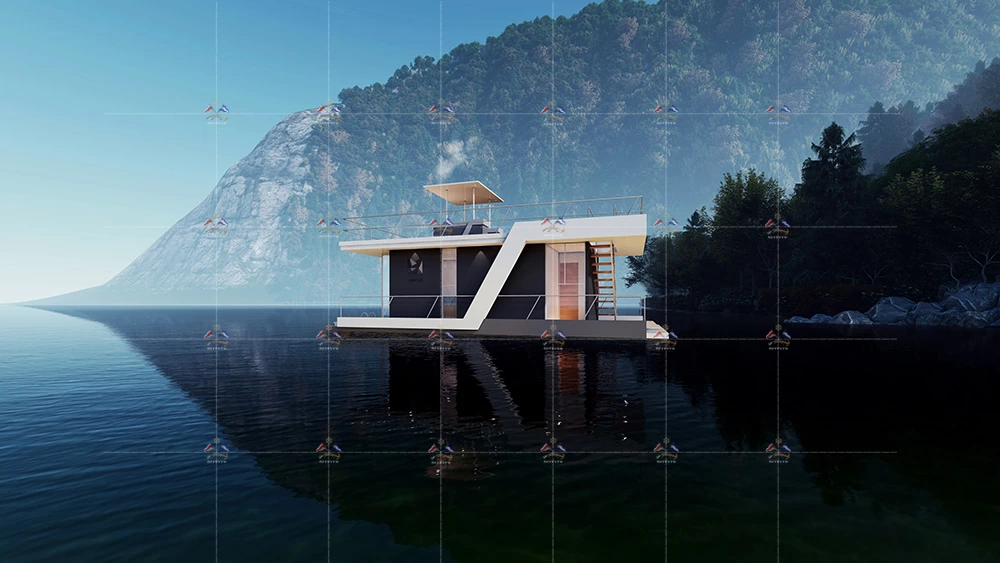
Inland water bodies such as private lakes, retention basins, and agricultural reservoirs present distinct environmental challenges compared to open-sea coastal environments. While these water systems are generally sheltered from massive wave swells, they remain highly susceptible to solar degradation, fluctuating water levels, localized wind shear, and biological accumulation. For commercial property managers, resort operators, and private estate owners, selecting a covered pond dock provides a practical method to safeguard marine assets, stabilize access, and minimize long-term structural maintenance.
Modern marine engineering requires a comprehensive approach to floating platform design. Standard off-the-shelf platforms often fail to account for the complex physics of overhead roof structures integrated with floating foundations. Specialized marine engineering solutions by DeFever focus on balancing dead load distribution, live load capacities, and aerodynamic resistance to deliver structural longevity in freshwater environments.
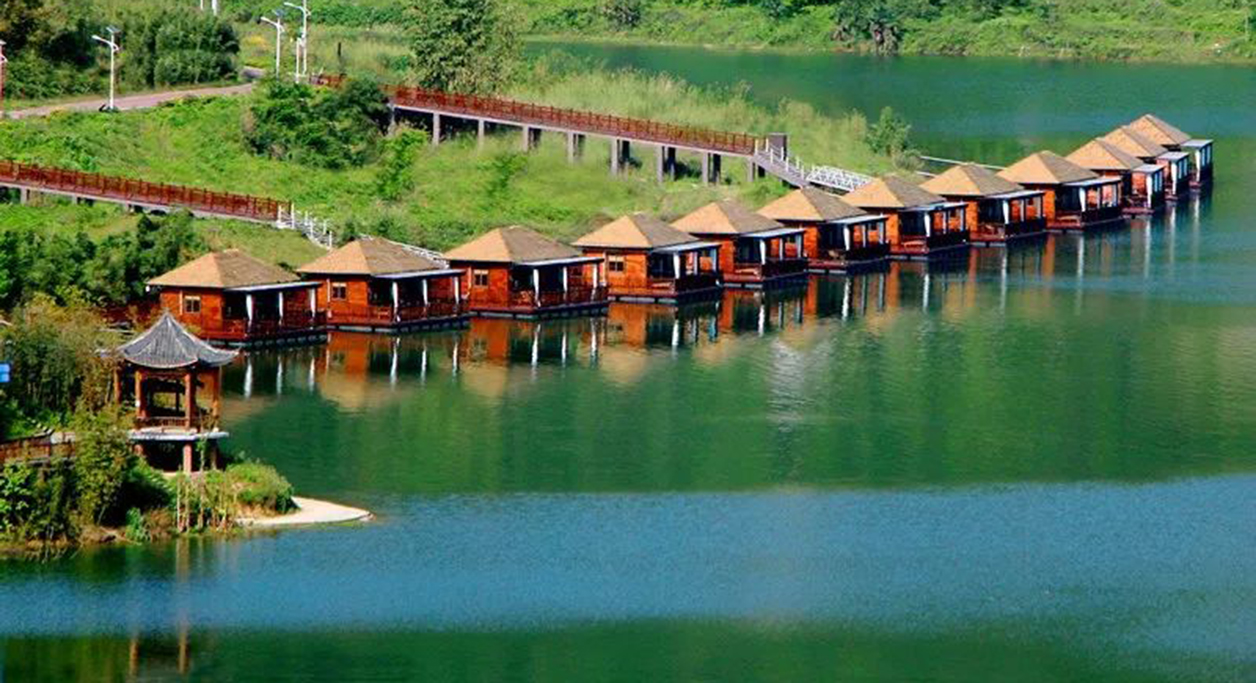
1. Buoyancy Calculations and Floating Foundation Physics
The foundation of any floating structure relies on Archimedes' principle. Unlike a standard floating platform, a dock with an integrated roof must support substantial dead loads concentrated on specific structural columns rather than distributed evenly across the deck surface.
Calculating Dead and Live Loads
To ensure a stable deck surface and a consistent freeboard height (the distance from the water surface to the deck floor), engineers must calculate the total weight of all structural components, including:
- The structural frame (aluminum alloy or hot-dip galvanized steel)
- The overhead roofing frame, trusses, and metal cladding
- Flooring materials (composite decking, treated wood, or aluminum panels)
- Utility lines, cleats, and safety railings
This combined weight represents the dead load. The live load represents the variable forces exerted by occupants, stored equipment, and environmental factors such as snow accumulation. In regions experiencing seasonal snowfall, the roof must be engineered to withstand localized snow load requirements, which can exceed 30 pounds per square foot (PSF) in northern climates.
Buoyancy Distribution and Draft Sizing
To prevent tilting or localized sinking, rotomolded polyethylene (HDPE) shell floats filled with expanded polystyrene (EPS) foam are strategically positioned beneath the frame. The displacement volume of these floats must provide a minimum reserve buoyancy of 100% beyond the total dead load. Furthermore, the structural stability of a covered pond dock requires placing higher-capacity floats directly beneath the roof support columns to counteract the concentrated downward forces and prevent structural twisting.
2. Aerodynamic Forces and Roof Structural Integration
The addition of a roof turns a floating dock into an aerodynamic sail. Wind forces acting upon a covered pond dock are significantly higher than those on an open dock, requiring precise structural wind-load analysis.
Mitigating Wind Uplift
As wind passes over and under a covered structure, it creates pressure differentials. High-velocity winds entering the open sides of the dock generate upward pressure (uplift) on the underside of the roof while simultaneously creating suction on the top surface. This combined force can lift a poorly anchored dock or detach the roof structure from its foundation.
To mitigate these forces, engineers focus on several design choices:
- Roof Pitch: A moderate pitch (typically between 3:12 and 4:12) balances water runoff with wind resistance. Steep roofs increase lateral wind drag, while completely flat roofs are susceptible to high uplift forces and drainage failure.
- Open Gable Ends: Leaving the gable ends of the roof open allows high-pressure air to escape, reducing the overall lift coefficient of the structure.
- Heavy-Duty Post Connectors: Frame-to-column connections require structural bracket sleeves and high-tensile bolts rather than simple screw fasteners, ensuring wind shear forces are distributed directly into the lower frame.
3. Material Selection for Brackish and Freshwater Environments
Pond environments often contain elevated levels of organic matter, agricultural runoff, and stagnant water, which accelerate material decay. The structural integrity of the entire assembly depends on selecting materials that resist corrosion, UV degradation, and moisture absorption.
Structural Framing
Marine-grade 6061-T6 aluminum alloy is widely utilized for high-durability dock frames. Aluminum naturally forms a protective oxide layer that resists corrosion without requiring additional chemical coatings. It provides an exceptional strength-to-weight ratio, which lowers the overall dead weight and reduces the required flotation volume. The manufacturing protocols utilized by DeFever prioritize structurally welded aluminum joints reinforced with gusset plates to ensure long-term stability under continuous wave action.
Decking and Roofing Materials
Wood-plastic composites (WPC) or cellular PVC decking are preferred over traditional pressure-treated timber. These engineered materials do not rot, splinter, or absorb water, preventing the growth of algae and mold common in slow-moving pond water. For the roof, pre-painted galvanized steel panels (such as 26-gauge standing seam metal) offer high impact resistance against falling debris, hail, and snow while reflecting solar radiation to keep the under-roof area cool.
4. Anchoring Methodologies for Muddy and Fluctuating Basins
Unlike deep-water coastal marinas where heavy steel pilings are standard, pond environments often feature soft, silty bottoms and fluctuating water levels due to seasonal rain or agricultural irrigation. Anchoring systems must be flexible enough to accommodate vertical water movement while providing rigid horizontal resistance.
Spud Poles and Guide Pipes
For ponds with water level fluctuations of less than 10 feet, spud poles represent a highly effective anchoring method. Steel or heavy-wall aluminum pipes are driven deep into the pond bed through guide sleeves integrated into the dock frame. The dock slides vertically up and down the poles as the water level changes, while the poles prevent lateral shifting. This system is highly suitable for muddy or sandy substrates where traditional concrete anchors might slide.
Deadweight and Cable Anchoring
In deep ponds or reservoirs where driving piles is impractical, a tensioned cable system connected to concrete deadweight anchors placed on the pond floor is utilized. The cables are adjusted with heavy-duty turnbuckles to maintain a constant tension, keeping the dock securely in position. This method requires careful calculation of the catenary curve of the cables to prevent the dock from shifting during high winds.
5. Applications Across Diversified Sectors
Deploying a covered pond dock within commercial, agricultural, or high-end residential settings solves several operational problems:
- Commercial Hospitality: Resorts and lakeside venues utilize covered structures to provide safe, weather-protected boarding zones for watercraft, improving guest comfort and reducing liability.
- Agricultural Infrastructure: Large-scale irrigation ponds require stable platforms for water intake pumps and monitoring equipment. A covered canopy protects sensitive electrical control systems and pumps from direct sun exposure and rain.
- Residential Estates: Property owners benefit from reduced cleaning cycles for parked boats, as the canopy prevents leaves, bird droppings, and direct UV rays from damaging upholstery and gel coats.
Frequently Asked Questions
Q1: What is the expected lifespan of a covered pond dock frame made from marine-grade aluminum?
A1: A frame constructed from marine-grade 6061-T6 aluminum alloy typically exceeds a lifespan of 30 to 40 years. Because aluminum does not rust or degrade under UV exposure, maintenance is minimal compared to traditional steel or timber structures.
Q2: How do engineers calculate the snow load capacity for the roof of a covered dock?
A2: Snow load capacity is calculated based on local building codes and meteorological data. Engineers design the roof truss spacing, metal panel thickness, and column support points to meet or exceed regional ground snow load requirements, which generally range from 20 to 50 PSF.
Q3: Can a floating covered pond dock handle freezing winter conditions?
A3: Yes. Modern HDPE flotation shells are designed to withstand ice expansion. However, in areas experiencing severe ice movement or thick freezing sheets, bubbler systems or de-icers are often installed around the dock perimeter to prevent localized structural pressure from expanding ice.
Q4: Why is wind uplift a major concern for covered floating docks?
A4: Because the sides of a covered dock are typically open, wind blowing under the roof creates upward aerodynamic lift. If the roof-to-frame connections or the overall anchoring system are under-engineered, these forces can lift the dock or damage the roof structure.
Q5: What decking material offers the best balance of safety and durability in wet environments?
A5: Cellular PVC and high-end wood-plastic composites are highly recommended. They provide slip-resistant surfaces, do not splinter, require no staining or sealing, and resist the rot and decay caused by the high moisture levels found in stagnant pond environments.
Project Engineering and Inquiry
Designing a reliable floating structure requires a detailed understanding of site-specific conditions, including bathymetry, wind exposure, and localized water variations. To discuss your project specifications or to receive a detailed engineering consultation for a custom marine structure, please reach out to the engineering team at DeFever. We provide comprehensive design, manufacturing, and structural consultation services tailored to commercial and private marine developments globally.