2026-10-15
The infrastructure of the boating world relies heavily on the quality and design of the interface between land and water. A well-engineered berthing system is essential for the safety of vessels and the convenience of passengers.
Whether accommodating a small runabout or a long-range cruiser like a DeFever, the stability and durability of the structure are paramount. Understanding the nuances of marine docks is the first step in planning a successful waterfront project.
This article explores the engineering principles, material choices, and functional designs that define modern marina construction. We will examine how different environments dictate the choice between floating and fixed systems.
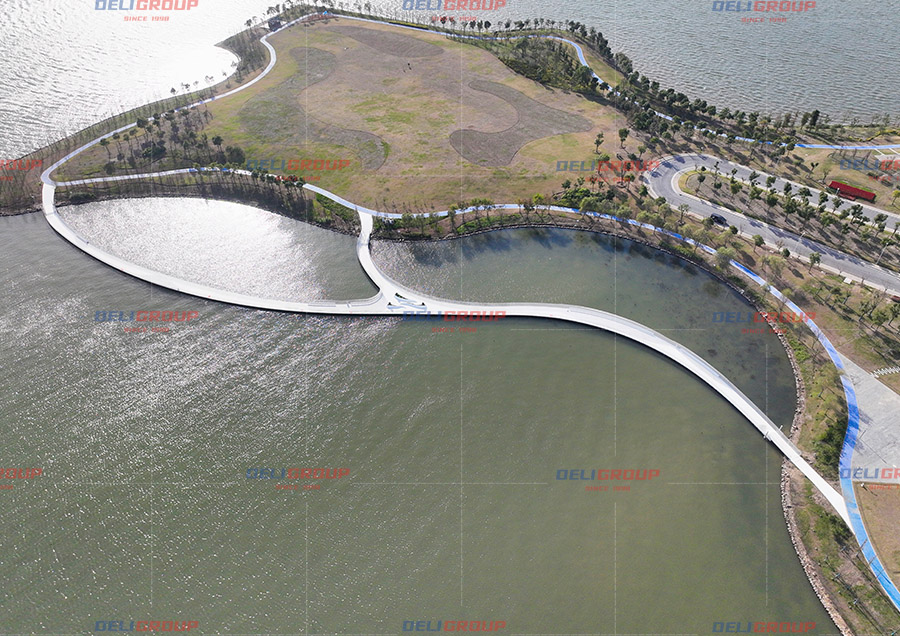
Understanding Marine Docks in Engineering Contexts
Marine docks differ significantly from standard construction due to the harsh environments they occupy. Engineers must account for constant moisture, salinity, and physical forces.
The design process begins with a site analysis. This involves measuring water depth, analyzing soil composition, and tracking tidal patterns. These factors determine the structural load requirements.
Load calculations include:
Dead Loads: The weight of the structure itself, including the frame, decking, and utilities.
Live Loads: The weight of people, equipment, and vehicles on the surface.
Environmental Loads: Forces exerted by wind, waves, currents, and ice impact.
Ignoring these factors can lead to catastrophic failure. A robust system must withstand the lateral force of a vessel docking during high winds.
Key Types of Marine Docks
There is no single solution for every waterfront. The geography of the shoreline often dictates the category of dock required. The three primary classifications are floating systems, fixed piers, and piling docks.
Floating Docks
Floating systems are the preferred choice in areas with significant tidal fluctuations. Because the dock rises and falls with the water level, the freeboard (the distance from the water to the deck) remains constant.
This consistency allows for easy boarding regardless of the tide status. Construction typically involves:
Flotation Modules: Usually rotationally molded polyethylene shells filled with expanded polystyrene foam.
Frame: Timber, aluminum, or concrete structures that bind the flotation units.
Anchorage: Chains, cables, or piles that keep the dock in position while allowing vertical movement.
Owners of larger vessels often prefer these systems because lines do not need constant adjustment as tides change.
Fixed Piers
Fixed piers utilize a substructure driven directly into the seabed. These are most common in shallow waters or areas with minimal tidal change. They offer superior stability and feel substantial underfoot.
The primary advantage is structural rigidity. Since the walkway does not move, it can support heavier utilities, lighting fixtures, and even heavy machinery if designed for commercial use.
However, boarding can become difficult during low tides. A ladder or gangway may be required to reach the vessel deck safely.
Piling Docks
Piling docks are a hybrid often used to secure the floating sections. The piles act as vertical guides. The dock moves up and down the pile using rollers or hoop brackets.
Materials for piles include:
Treated Timber: Cost-effective but susceptible to marine borers.
Steel: Strong but requires coating to prevent corrosion.
Pre-stressed Concrete: Extremely durable and heavy, ideal for large marinas.
Fiberglass/Composite: Flexible and resistant to rot and rust.
Construction and Material Selection
The longevity of marine docks depends entirely on the materials selected during the design phase. Each material has distinct characteristics regarding maintenance and lifespan.
Pressure-Treated Wood
Wood remains a traditional favorite due to its aesthetic appeal and lower initial cost. Southern Yellow Pine is a common choice in the United States.
To survive the marine environment, the wood must undergo pressure treatment with preservatives like Chromated Copper Arsenate (CCA) or alkaline copper quaternary (ACQ). This prevents rot and insect damage.
Aluminum
Aluminum is gaining popularity for floating dock frames. It offers an excellent strength-to-weight ratio. It is naturally resistant to corrosion, though galvanic corrosion can occur if it touches dissimilar metals.
Aluminum docks are modular. This makes them easier to transport and assemble on-site. They also require less maintenance than timber structures over time.
Concrete
For high-end marinas and commercial ports, concrete is the standard. It is used for both the floating pontoons and the decking surface.
Concrete is fire resistant, incredibly stable, and provides a non-slip surface. It creates a heavy dock, which acts as a wave attenuator, calming the water for moored boats.
Composite Decking
Composite materials, made from a blend of plastic and wood fibers, are frequently used for the walking surface. They do not splinter, require no staining, and are easy to clean.
While the upfront cost is higher than wood, the reduction in long-term maintenance costs often justifies the investment for private homeowners.
Pros and Cons of Different Docking Systems
Choosing the right system involves weighing the benefits against the limitations. Here is a breakdown of the trade-offs involved in engineering decisions.
Floating Systems
Pros:
Adapts automatically to water level changes.
Easier installation in deep water.
Can be removed or reconfigured if necessary.
Prevents strain on boat cleats during tidal shifts.
Cons:
Less stability in rough water compared to fixed piers.
Moving parts (hinges and rollers) require maintenance.
Bottom anchoring systems can disturb the seabed.
Fixed Systems
Pros:
Maximum stability and load-bearing capacity.
Ideal for shallow water where floats might ground out.
Longer lifespan for the substructure components.
Generally lower maintenance for the support structure.
Cons:
Difficult to board boats during extreme low tides.
Susceptible to damage from storm surges or rising water levels.
Installation requires heavy pile-driving equipment.
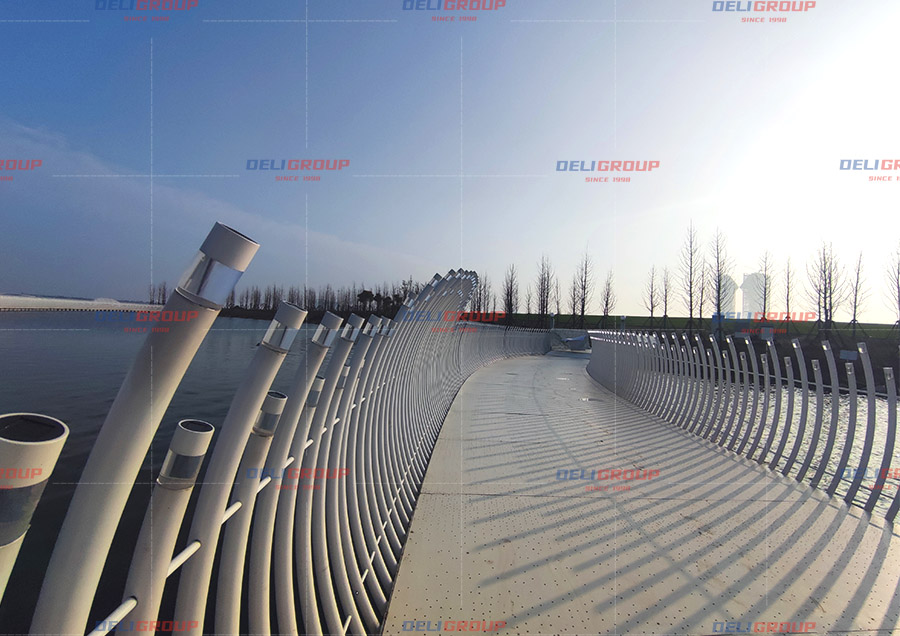
Selecting the Right Dock for Your Vessel
The type of vessel you own dictates the requirements of the berth. A small fishing boat places different demands on a structure than a heavy displacement yacht.
Owners of substantial vessels, such as a DeFever, must prioritize structural integrity and adequate power supply. Large yachts require higher amperage shore power pedestals and stronger cleats.
Consider the beam (width) of the vessel. The slip must be wide enough to accommodate the boat with fenders deployed, yet narrow enough to allow easy line handling.
For larger yachts, the dock needs to withstand significant windage. A tall boat acts like a sail, transferring massive energy to the dock cleats during a storm. Engineers must reinforce the frame at these attachment points.
Commercial vs. Residential Applications
The scope of work changes drastically between a backyard dock and a commercial marina. Regulations and usage intensity drive these differences.
Residential Projects
Residential projects focus on aesthetics and integration with the landscape. The scale is smaller, often designed for one or two boats and recreational activities like swimming.
Permitting is generally handled at the local or state level. The design often prioritizes low-profile visibility to avoid obstructing views for neighbors.
Commercial Marinas
Commercial facilities must adhere to strict safety codes. This includes ADA (Americans with Disabilities Act) compliance, requiring specific gangway slopes and railing heights.
Fire suppression systems are mandatory. Standpipes and fire extinguishers must be integrated into the layout. The electrical systems are complex, often requiring three-phase power and sophisticated metering.
Engineering Challenges in Marine Environments
Building on water introduces variables that land-based construction never faces. Corrosion is the silent enemy of all marine docks.
Saltwater accelerates the oxidation of metal fasteners. Stainless steel (grade 316) or hot-dipped galvanized steel is mandatory. Even with these materials, regular inspection is necessary.
Ice is another major factor in northern climates. Moving ice sheets can shear piles and crush floating pontoons. Bubbler systems are often installed to keep the water around the dock from freezing.
Wave attenuation is a critical engineering component. If a marina is exposed to a long fetch (open water), breakwaters or heavy concrete docks are needed to dampen the wave energy before it hits the moored boats.
Maintenance and Longevity
A proactive maintenance schedule extends the life of the facility. Neglect leads to rapid deterioration and safety hazards.
Routine tasks include:
Decking Inspection: Checking for loose boards, protruding nails, or cracks in concrete.
Float Inspection: Ensuring buoyancy modules are intact and not taking on water.
Hardware Tightening: Vibration from waves loosens bolts over time.
Electrical Testing: Checking pedestals for ground faults and corrosion on contacts.
Cleaning is also vital. Bird droppings are acidic and can damage decking materials. Marine growth (barnacles and algae) on the underside of floats adds weight and drag.
Wood docks typically require sealing or staining every two to three years. Composite and concrete options require simple pressure washing to maintain their appearance.
Investing in high-quality infrastructure adds value to waterfront property and ensures the safety of vessels. From the initial soil analysis to the final installation of power pedestals, every step requires professional engineering.
Whether you are docking a runabout or a prestigious DeFever yacht, the reliability of your berth is non-negotiable. By understanding the types of systems available and the materials best suited for your environment, you can make informed decisions.
Properly designed marine docks blend functionality with durability, providing a seamless link between the shore and the open water. Prioritize engineering standards and regular maintenance to enjoy decades of trouble-free use.
Frequently Asked Questions
Q1: How long does a typical marine dock last?
A1: The lifespan varies by material. Pressure-treated wood docks typically last 15 to 20 years. Aluminum and composite structures can last 30 to 50 years. Concrete docks are the most durable, often exceeding 50 years with proper maintenance.
Q2: Do I need a permit to build a dock on my property?
A2: Yes, almost all waterfront construction requires permits. You will likely need approval from local municipalities, state environmental agencies, and sometimes federal bodies like the Army Corps of Engineers, depending on your location.
Q3: What is the best material for dock decking?
A3: Composite decking is often considered the best balance for residential use because it is low maintenance, splinter-free, and durable. However, grated polypropylene is excellent for light penetration (protecting sea grass), and concrete is superior for commercial durability.
Q4: How do I choose between a floating dock and a fixed pier?
A4: The decision depends largely on water depth and tidal range. If your area has tides exceeding 2-3 feet, a floating dock is generally better. If the water is shallow or the substrate is very soft, a fixed pier might be necessary.
Q5: Can marine docks be repaired if the piles are damaged?
A5: Yes, piles can often be repaired without replacing the entire dock. Techniques include "pile jacketing," where a sleeve is placed around the damaged area and filled with concrete or epoxy, or driving a new pile adjacent to the old one.