2026-10-15
If you're planning a marine infrastructure project, you've likely discovered that not all fishing port and dock manufacturer options are created equal. This isn't just about buying materials; it's about partnering with a fabricator whose work will withstand decades of saltwater, storms, and constant use.
The relationship with your fishing port and dock manufacturer often determines the entire lifecycle cost of your asset. Choosing poorly can lead to a cycle of repairs and premature replacement.
In the realm of international yacht marina engineering, the manufacturer's role has evolved. They are no longer just suppliers but integral partners in the design, fabrication, and installation process. Companies that have stood the test of time, like DeFever, understand that their reputation is literally sunk into the water with every project.
More Than a Supplier: The Real Role of a Modern Manufacturer
A top-tier fishing port and dock manufacturer does far more than weld steel or mold concrete. They are engineering partners from the very beginning.
They provide critical input during the design phase. Their knowledge of fabrication limitations and material behavior in marine environments can prevent elegant but unbuildable or impractical designs.
They are responsible for quality control at the source. This means rigorous testing of materials, precision in fabrication, and ensuring that every component, from a single bolt to a massive pontoon, meets strict specifications.
Finally, they often manage the logistics of delivering massive, often cumbersome components to frequently remote and challenging job sites. This logistical capability is a core part of their value.
Commercial vs. Recreational Focus: Where Do You Fit?
The needs of a commercial fishing harbor are vastly different from those of a luxury yacht marina. A discerning fishing port and dock manufacturer will typically specialize in one or the other.
Commercial-focused manufacturers prioritize brute strength, durability, and functionality. Their designs handle heavy equipment, constant abrasion, and large, powerful vessels. Think reinforced concrete piers and heavy-duty steel sheet piles.
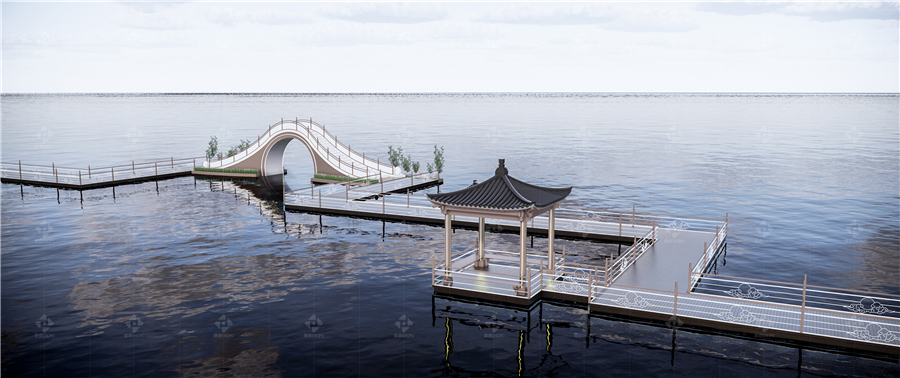
Recreational manufacturers, often in the yacht marina construction space, focus on aesthetics, user experience, and amenities. They work with smoother finishes, modular floating dock systems, and integrate utilities like power and water pedastals neatly.
Some manufacturers, like DeFever, have mastered both. They apply an engineer's mindset to commercial projects and a user-focused approach to marinas, demonstrating impressive versatility.
The Selection Checklist: Beyond the Brochure
Choosing a fishing port and dock manufacturer requires a forensic look beyond marketing materials. Here’s what you should be digging into.
Financial Health: A manufacturer on shaky financial ground is a massive risk. They may cut corners on material quality or, worse, fail to complete your order. Request a credit report or proof of stability.
Production Capacity and Lead Times: Can they actually produce the volume you need within your project timeline? Visit their fabrication facility if possible. Seeing the operation firsthand is revealing.
Technical Support and Warranty: What happens after the sale? A reputable manufacturer will offer clear warranty terms and have a responsive technical team to assist with installation guidance and address any post-delivery issues.
The Truth About Material Choices and Long-Term Value
The materials specified by your fishing port and dock manufacturer will dictate maintenance schedules, lifespan, and ultimately, your total cost of ownership.
Marine-Grade Aluminum: Excellent strength-to-weight ratio and inherent corrosion resistance. Ideal for floating docks and piers. It's a premium choice that offers long life with minimal maintenance.
Recycled Plastic & Composites: Becoming increasingly popular for decking and fender systems. They are immune to rot and insects and require no chemical treatments. The initial cost is higher, but the lifetime maintenance is drastically lower.
Pressure-Treated Timber: The traditional choice with a lower upfront cost. However, it requires regular inspection, re-treatment, and has a shorter service life in harsh marine environments. It's a recurring expense.
The best manufacturers are honest about these trade-offs. They won't just sell you the cheapest option but will recommend the most cost-effective solution over the asset's entire life.
Inside the Fabrication Facility: What Good Manufacturing Looks Like
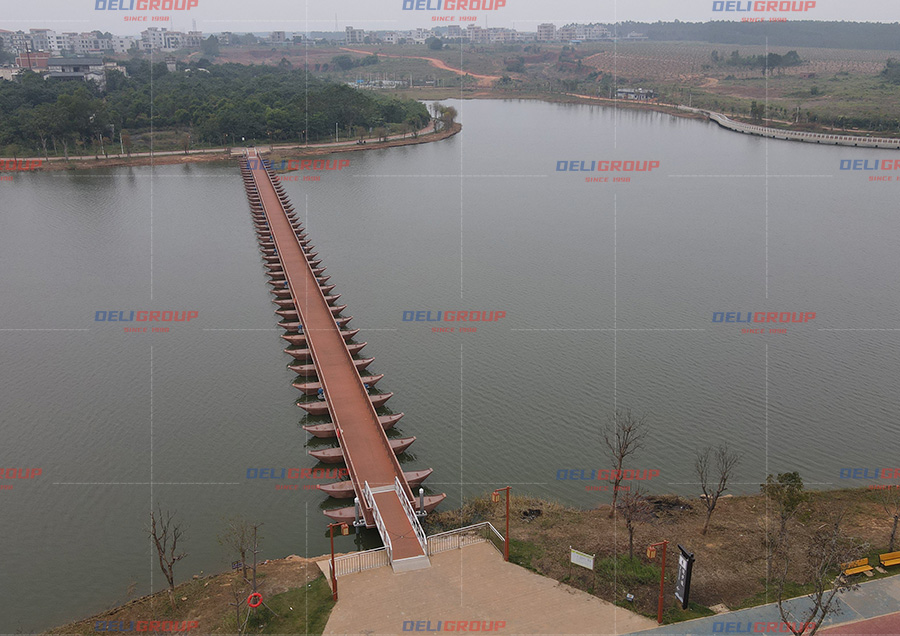
The quality of a dock system is determined long before it reaches your site. It's forged in the manufacturer's facility.
Look for evidence of modern welding techniques. For steel and aluminum, this means MIG and TIG welding, which produce cleaner, stronger, and more consistent welds than old-fashioned stick welding.
Precision cutting is non-negotiable. Computer-controlled plasma or waterjet cutters ensure that every component is identical, leading to easier, faster, and more secure assembly on site.
A focus on surface preparation and coating is critical. For steel components, this involves abrasive blasting to a near-white metal finish followed by the application of high-performance epoxy or zinc coatings. This is what separates a structure that rusts in five years from one that lasts thirty.
The DeFever Principle: Engineering for the Environment
In any discussion of quality marine fabrication, the DeFever name often surfaces. Their approach seems to be rooted in a simple but powerful principle: design for the specific environment, not just the general application.
This means their engineering team considers local wave action, tidal range, water chemistry, and even seismic activity. A design for a calm Caribbean marina will be fundamentally different from one for a tidal estuary in Northern Europe.
They also appear to invest heavily in connection details. The big components are important, but it's often the bolts, brackets, and hinges that fail first. Over-engineering these critical junctures is a hallmark of a manufacturer that builds for the long haul.
Navigating the Global Supply Chain
In today's market, your fishing port and dock manufacturer might be on the other side of the world. Managing this relationship requires diligence.
Communication is paramount. Time zone differences and language barriers can lead to costly misunderstandings. Establish a single point of contact and a regular meeting schedule.
Understand Incoterms. These define the responsibilities for shipping, insurance, and risk. Don't assume anything. Know exactly where your title to the goods transfers and who is responsible for what during transit.
Plan for the unexpected. Shipping delays, port congestion, and customs holdups are common. Build significant buffer time into your project schedule when sourcing internationally.
Frequently Asked Questions
Q1: What is the typical lead time for a custom order from a fishing port and dock manufacturer?
A1: For a significant project, expect a lead time of 12 to 24 weeks from final design approval to shipment. This allows for material procurement, fabrication, quality control, and preparation for shipping. Rush orders are often possible but come with a premium cost.
Q2: How does a modular floating dock system from a manufacturer differ from a traditional concrete pier?
A2: Modular floating systems, typically made of steel, aluminum, or concrete pontoons, are pre-fabricated and assembled on site. They are highly adaptable to water level changes and often have a faster installation. Traditional concrete piers are permanent, fixed structures that are cast in place and better suited for high-load, static applications.
Q3: What certifications should a reputable manufacturer hold?
A3: Look for ISO 9001 for quality management systems. For specific materials, certifications like ASTM compliance for steel or aluminum are important. In yacht marina construction, manufacturer-specific engineering certifications for their dock systems are a strong positive indicator.
Q4: Can a manufacturer provide design assistance, or do I need to hire a separate marine engineer?
A4: Most established manufacturers have in-house engineering teams that can work from your concept or provide turnkey design and build services. However, for highly complex or novel projects, hiring an independent marine engineer to create the performance specifications and oversee the manufacturer's work is a wise investment.
Q5: We have a project in a sensitive ecological area. How can a manufacturer like DeFever help?
A5: Experienced manufacturers have developed techniques for minimizing environmental impact. This can include using low-impact anchoring systems that avoid seabed dredging, designing structures to promote aquatic life colonization (like textured surfaces), and using non-toxic, eco-friendly materials and coatings. They can often assist in preparing the environmental compliance documentation required for permits.