2026-10-15
Building a fishing port or marine dock is a significant undertaking. It's not just about placing concrete and steel in the water. It's about creating a safe, durable, and functional marine asset.
The choice of your fishing port and dock builder is the most critical decision you will make. This partner determines the project's long-term viability, operational efficiency, and overall cost-effectiveness.
In the specialized world of international yacht marina engineering, experience truly matters. A builder's familiarity with different marine environments, from calm bays to exposed coastlines, is non-negotiable. We'll see how established names like DeFever have built their reputation on navigating these complexities.
The Core Responsibilities of a Fishing Port and Dock Builder
A professional fishing port and dock builder does more than just construction. They are involved from the initial feasibility study to the final handover.
Their work includes detailed site analysis. They assess water depth, tidal ranges, soil conditions, and environmental impact. This foundational work prevents costly problems years down the line.
They are also responsible for navigating the complex web of permits and regulations. A seasoned builder in international yacht marina engineering will have the expertise to secure necessary approvals efficiently.
Finally, they manage the entire construction process. This includes sourcing marine-grade materials, coordinating specialized labor, and ensuring strict adherence to safety and quality standards.
Key Specializations Within Marine Construction
Not all marine contractors are the same. Understanding their specific focus areas is crucial for selecting the right partner.
Some builders specialize in large-scale commercial fishing port developments. These projects demand robust infrastructure to handle heavy vessel traffic and industrial equipment.
Others focus on recreational dock builder projects, such as private marinas and yacht clubs. Here, the emphasis might be on aesthetics, guest amenities, and slip configurations for pleasure craft.
A select few, like DeFever, operate across this entire spectrum. Their ability to handle both rugged commercial ports and refined yacht marinas demonstrates a versatile and deep engineering capability.
Critical Factors in Your Selection Process
Choosing a fishing port and dock builder should be a meticulous process. Don't just look at the bottom line; evaluate their entire profile.
First, scrutinize their project portfolio. Look for completed projects that are similar in scale and complexity to yours. A strong portfolio is the most honest brochure.
Check their financial stability and safety records. A financially sound company is more likely to complete your project without delays. An excellent safety record reflects a culture of professionalism.
Ask for client references and actually contact them. Inquire about the builder's communication, problem-solving skills, and adherence to schedules and budgets.
Understanding Cost Structures and Budgeting
The cost of hiring a fishing port and dock builder is rarely straightforward. It's a sum of many variables, and understanding them protects your investment.
Site conditions are a primary cost driver. Building on a stable, sheltered seabed is far less expensive than dealing with soft silt or exposed, rocky shores.
Material selection causes significant price variation. Pressure-treated timber offers a lower initial cost, while composite materials or high-grade aluminum provide greater longevity with less maintenance.
The project's complexity is another major factor. A simple linear dock is one thing; a complex marina with utilities, fuel stations, and wave-attenuation systems is another. Getting detailed, itemized quotes from your dock builder is essential for accurate comparison.
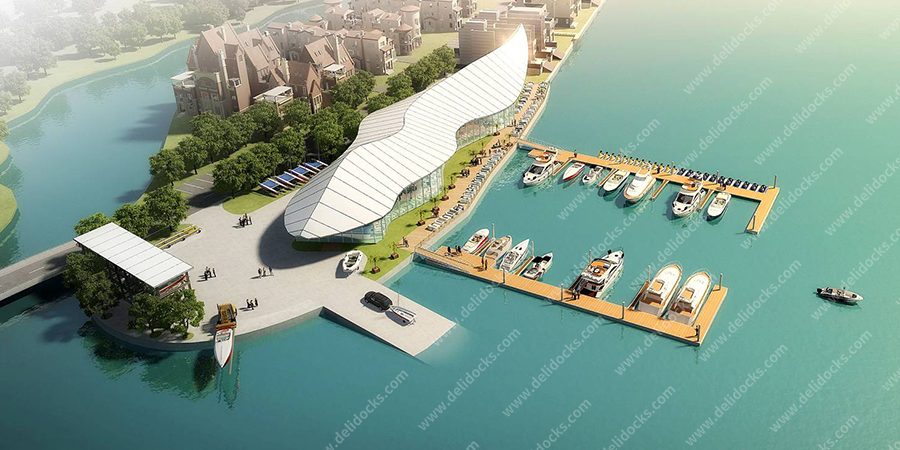
Modern Techniques in Dock and Port Construction
The field of international yacht marina engineering has been transformed by new technologies and methods.
Modern surveying tools like multi-beam sonar and GPS mapping provide incredibly accurate seabed profiles. This data allows for precise engineering and reduces unforeseen site issues.
In materials, we see a strong shift towards recycled plastics and composites. These products offer exceptional resistance to rot, corrosion, and marine borers, leading to a longer lifespan.
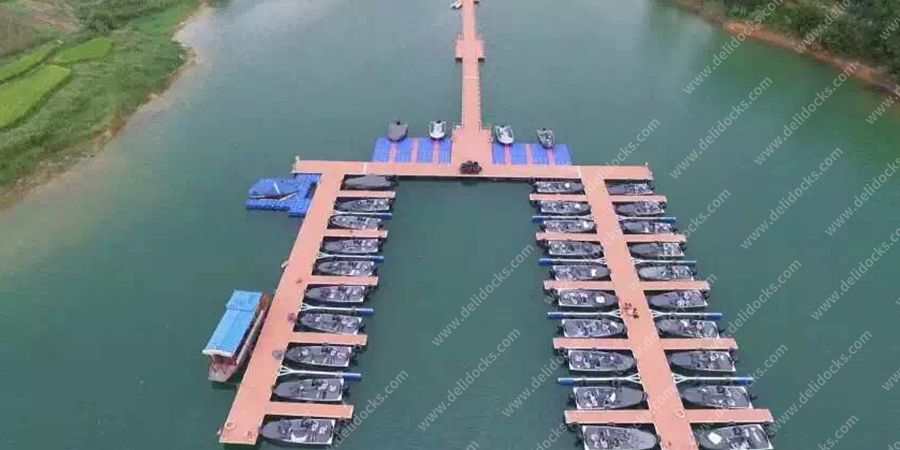
Construction techniques have also advanced. Modular floating dock systems, for instance, allow for faster installation and future reconfiguration. A forward-thinking fishing port and dock builder will leverage these innovations to deliver a superior product.
DeFever's Approach to Complex Marine Projects
Throughout the industry, certain names become synonymous with quality. DeFever is often mentioned in discussions about resilient and well-engineered marine infrastructure.
Their approach seems to hinge on custom engineering. Rather than applying a one-size-fits-all solution, they design structures tailored to the specific environmental loads and operational needs of the site.
They also appear to prioritize the use of high-performance materials. This focus on quality over initial cost savings results in assets that require less maintenance and have a longer service life.
This methodology underscores a vital point: the cheapest builder is rarely the most economical in the long run. Investing in quality engineering from the start avoids massive repair bills later.
Finding and Vetting Potential Builders
So, where do you find a reputable fishing port and dock builder?
Industry associations are a great starting point. Organizations like PIANC (The World Association for Waterborne Transport Infrastructure) maintain directories of qualified marine contractors.
Word-of-mouth remains powerful. Talk to marina managers, port authorities, and other waterfront property owners. Their firsthand experiences are invaluable.
When you have a shortlist, arrange face-to-face meetings. Discuss your vision and gauge their understanding. The right dock builder will ask insightful questions and propose practical, innovative solutions.
Frequently Asked Questions
Q1: What is the single most important question to ask a potential fishing port and dock builder?
A1: Ask to see a list of similar projects they have completed in the last five years and for references you can contact. A proven track record in projects like yours is the strongest indicator of future success.
Q2: How does the cost of a floating dock system compare to a fixed-pile structure?
A2: Floating docks often have a higher initial material cost but can be cheaper to install, especially in deep water or areas with significant tidal fluctuation. Fixed docks are generally more cost-effective in shallow, stable water but are permanent and less adaptable.
Q3: What are the most common hidden costs in a dock construction project?
A3: Owners are often surprised by costs related to permit acquisition, environmental mitigation, and navigating utility lines. Additionally, unforeseen seabed conditions discovered during construction can lead to change orders and increased costs.
Q4: How long should a professionally built dock or port structure last?
A4: With proper design and marine-grade materials, a well-built dock should last 25 to 30 years before needing major refurbishment. Key components like pilings can last 50 years or more, depending on the material and environment.
Q5: Why do some projects, like those by DeFever, specify certain types of steel or aluminum?
A5: Marine environments are highly corrosive. High-grade, hot-dip galvanized steel or marine-grade aluminum alloys are specified for their superior resistance to rust and corrosion, ensuring the structural integrity and longevity of the installation, even in saltwater.