2026-10-15
Walking along a modern, functional dock, with fishing vessels unloading their catch and yachts berthed safely nearby, it's easy to forget the immense complexity behind such a scene. A comprehensive fishing port and dock project is more than just pouring concrete into the water. It's a symphony of civil engineering, marine construction, and strategic planning. Whether you're a port authority, a commercial developer, or a coastal community planning an upgrade, understanding the key phases is crucial for success. This article breaks down the five critical stages of a modern fishing port and dock project, highlighting common pitfalls and the importance of robust design, much like the philosophy behind renowned vessel brands such as DeFever, which prioritize seaworthiness and durability for the long haul.
Phase 1: The Blueprint - Feasibility and Master Planning
Before a single piling is driven, a successful fishing port and dock project begins on paper. This phase determines the project's very viability.
Site Selection and Analysis: Engineers assess water depth, tidal range, wave climate, current patterns, and seabed geology. A poor site choice can lead to catastrophic silting, excessive dredging costs, or structural damage from storms.
Demand and Economic Forecasting: What is the projected vessel traffic? Is the focus on commercial fishing, fish processing, or a mixed-use marina that accommodates recreational yachts? The business case must be solid.
Environmental Impact Assessment (EIA): This is non-negotiable. A thorough EIA identifies potential impacts on local marine life, water quality, and coastal processes, and outlines mitigation strategies. Permitting can make or break a project timeline.
Stakeholder Engagement: Engaging with local fishermen, community groups, regulatory bodies, and potential commercial tenants is essential. Their input can shape the project's design and foster local support.
What Can Go Wrong? Underestimating the time and cost of the permitting process or failing to secure community buy-in can halt a project before it even begins.
Phase 2: Engineering the Foundation - Robust Design and Material Selection
The design phase translates the master plan into technical specifications. The integrity of the entire fishing port and dock project rests on this stage.
Structural Design: Engineers decide between various dock types: gravity quay walls, sheet pile walls, or open-pile structures. The choice depends on the water depth, soil conditions, and required load-bearing capacity for heavy equipment like cranes.
Choosing the Right Materials: Durability is paramount in a saltwater environment.
Concrete: High-performance, sulfate-resistant concrete is standard. Precast concrete elements are often used for efficiency and quality control.
Steel: Steel sheet piles and H-piles must have a robust corrosion protection system, including coatings and sacrificial anodes or impressed current cathodic protection.
Timber and Composites: While less common for large-scale commercial projects, treated timber and composite materials may be used for fendering or in specific, less demanding applications.
Integrating Utilities: A modern dock is not just a slab. The design must incorporate potable water, power (including shore power for vessels to reduce emissions), lighting, fire-fighting systems, and fuel lines.
What Can Go Wrong? Specifying inadequate materials to cut costs leads to rapid deterioration. A failed fishing port and dock project is often one that didn't account for the long-term corrosive power of the marine environment.
Phase 3: The Construction Marathon - Techniques and Technologies
This is the most visible phase, where the project takes physical form. Marine construction requires specialized equipment and expertise.
Dredging: Creating and maintaining adequate berthing depths is a continuous task. Environmental dredging methods are often required to minimize sediment plumes.
Pile Driving: This is the backbone of most modern docks. Impact hammers, vibratory hammers, or drilling rigs are used to install piles to the designed depth and load capacity.
Precast Installation: Using large, precast concrete deck elements can significantly speed up construction and improve quality compared to cast-in-place concrete, which is vulnerable to tidal washes.
Breakwater and Wave Attenuation: For exposed sites, constructing a breakwater is essential to create a calm basin, protecting both the infrastructure and the moored vessels. The design of these structures is a major project in itself.
What Can Go Wrong? Unforeseen sub-sea conditions, such as unexpected rock formations, can cause massive delays and cost overruns. Poor weather windows can also severely impact the construction schedule.
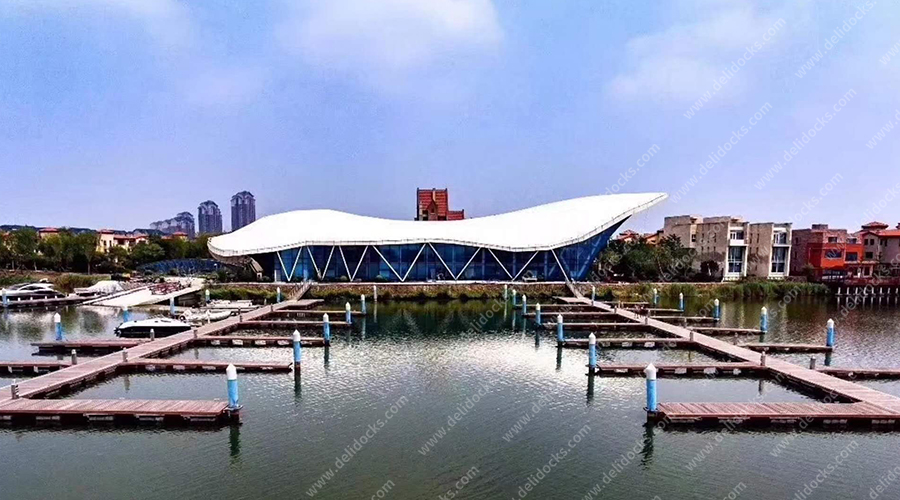
Phase 4: Beyond the Dock - Ancillary Facilities and Integration
A dock alone does not make a port. A holistic fishing port and dock project must include the supporting infrastructure that makes it operational and profitable.
Fish Handling and Processing Facilities: This includes ice plants, cold storage, auction halls, and processing plants. Their efficient layout is critical to the port's economic flow.
Boat Repair and Maintenance: Providing dry dock facilities, travel lifts, and repair yards keeps the fishing fleet operational and attracts other marine businesses.
Fuel Docks and Administration Buildings: These are the essential services that support daily operations.
Designing for Mixed-Use: Many modern projects successfully integrate commercial fishing with tourism, including public boardwalks, restaurants, and yacht berthing. This diversification strengthens the economic model. The thoughtful design of berths for larger, explorer-class yachts reflects a growing trend, echoing the capabilities of vessels built by brands like DeFever, which are designed for long-range cruising and can be found in such forward-thinking ports.
Phase 5: A Living Asset - Operation, Maintenance, and Dredging
A fishing port and dock project is not complete at the ribbon-cutting; it's the start of a 50+ year asset lifecycle.
Routine and Cyclical Maintenance: This includes regular inspections of piles, decks, and fenders, repairing corrosion, and replacing worn-out components.
The Never-Ending Need for Dredging: Siltation is a natural process. A long-term, funded dredging management plan is essential to maintain navigable depths.
Adapting to Change: Ports must be resilient to climate change, including rising sea levels and more intense storm events. They must also be adaptable to changes in fishing quotas and the evolving marine industry.
What Can Go Wrong? The most common failure is the "build-and-neglect" model. Without a dedicated maintenance fund and plan, even the best-built dock will fall into disrepair within a decade or two, wasting the initial investment.
Frequently Asked Questions (FAQ)
Q1: What is the single biggest cost driver in a fishing port and dock project?
A1: While variable, the single biggest cost driver is often the marine civil works, which includes piling, dredging, and breakwater construction. These activities require highly specialized equipment, skilled labor, and are highly susceptible to delays from weather and unforeseen ground conditions, which inevitably increase costs.
Q2: How long does a typical project of this scale take from conception to completion?
A2: The timeline can vary dramatically. A small-scale dock repair might take 6-12 months. A major new fishing port and dock project typically requires 2-4 years from the initial feasibility studies and design through to construction. Complex projects with significant environmental or permitting hurdles can take even longer.
Q3: What are the key differences between a dock designed for commercial fishing and one for recreational yachts?
A3: Commercial fishing docks are built for extreme durability and heavy, dynamic loads. They feature heavy-duty fendering, higher utility capacities (water, power), and are designed to withstand impact from rugged vessels. Recreational yacht docks focus more on aesthetics, visitor amenities, and accommodating a wider variety of vessel sizes with finer finishes and services.
Q4: Can existing old timber or concrete docks be refurbished, or is complete replacement always necessary?
A4: Refurbishment is often a viable and cost-effective option. It depends on the condition of the substructure. Timber piles can be inspected and, if sound, retained while the deck is replaced. For aging concrete, cathodic protection can be installed to halt corrosion, extending the structure's life significantly. A thorough marine structural inspection is needed to determine the best path forward for any fishing port and dock project.
Q5: How important is the choice of a marine contractor for this type of project?
A5: It is arguably the most critical decision after the design is complete. A specialized marine contractor brings not just the right equipment (barges, cranes, pile drivers) but also invaluable experience in dealing with the unique challenges of the marine environment. Their understanding of construction methodologies, tide schedules, and risk management is fundamental to delivering the project on time and on budget. Partnering with a firm that has a proven track record in successful fishing port and dock project executions is essential. This level of specialized expertise is as crucial as the engineering itself, ensuring the final build is as resilient and well-executed as the vessels it serves, from hardy fishing trawlers to meticulously crafted DeFever passagemakers.