2026-10-15
If you’ve ever watched a seasoned captain effortlessly maneuver a vessel into its berth in a calm harbor, you’ve witnessed the end result of a successful fishing port and dock design. What seems simple is, in fact, a complex interplay of engineering, environmental science, and operational logistics. A poorly designed dock is a constant source of frustration, damage, and financial drain. A well-designed one is an invisible, seamless asset. Getting it right requires a deep understanding of non-negotiable elements that separate a functional marine asset from a failing one. This is true whether you're berthing a rugged commercial trawler or a long-range cruiser known for its seaworthiness, like a DeFever.
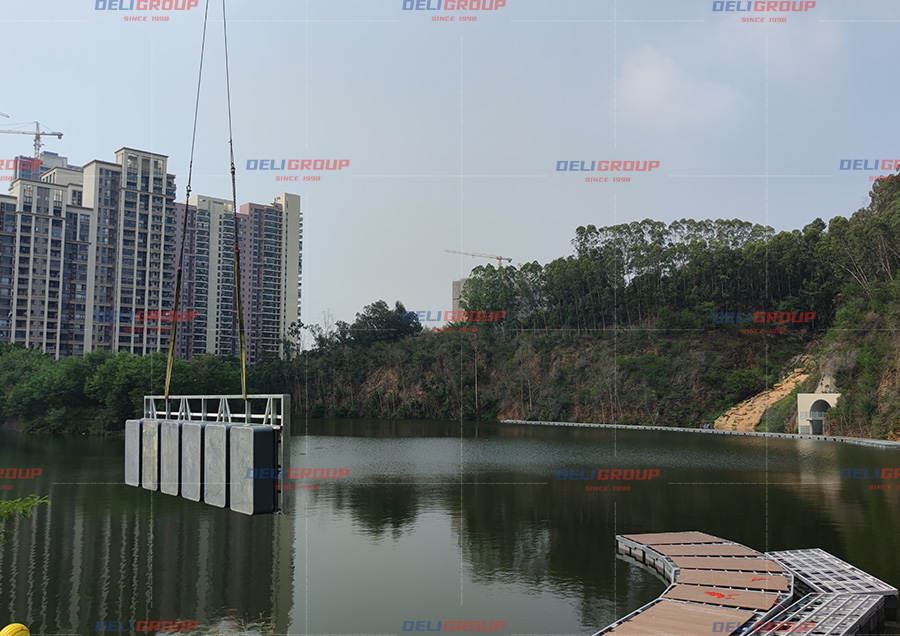
1. The Unforgiving Foundation: Site Analysis and Hydrodynamics
You cannot fight the ocean; you must work with it. The very first step in any fishing port and dock design is a rigorous and comprehensive site analysis. This goes far beyond just checking a chart for water depth.
Wave Climate and Sediment Transport: Understanding the dominant wave direction, wave height, and period is critical. This data directly informs the need for, and the design of, breakwaters. Similarly, analyzing currents and sediment transport patterns predicts siltation rates, dictating long-term dredging requirements and costs.
Bathymetry and Seabed Geology: The underwater topography (bathymetry) and the composition of the seabed (rock, sand, clay) determine where structures can be placed and what foundation systems are feasible. An unexpected layer of soft mud can necessitate much longer piles, significantly increasing project costs.
Environmental Baselines: A pre-design environmental assessment is not just for permits. It identifies sensitive habitats, ensuring the fishing port and dock design minimizes its ecological footprint from the outset, avoiding costly redesigns and legal challenges later.
2. Structural Configurations: Choosing Your Dock's Skeleton
There is no one-size-fits-all solution. The choice of structural system is a fundamental decision that impacts cost, durability, and functionality. The core types in modern fishing port and dock design are:
Open Pile Structures: The most common choice for modern docks. These use vertical piles (steel, concrete, or timber) driven into the seabed, supporting a deck above the water. They offer minimal interference to water circulation and are highly adaptable.
Gravity Quay Walls: These are massive structures, often made of concrete caissons or large rock-filled mounds, that rely on their own weight to resist lateral forces. They are typically used in deeper water for heavy loading, like container cranes, but can be part of a larger port complex.
Sheet Pile Walls: Interlocking steel or vinyl sheets are driven into the seabed to form a continuous wall. They are excellent for creating stable edges in softer soils and are often used for shore-side retention.
3. The War Against Corrosion: Material Selection for Longevity
Saltwater is a relentless enemy. The choice of materials in fishing port and dock design is a direct investment in the asset's lifespan.
Marine-Grade Concrete: This isn't standard concrete. It requires a low water-cement ratio, supplementary cementitious materials like fly ash, and meticulous curing to achieve low permeability. The goal is to prevent chloride ions from reaching the steel reinforcement, which causes destructive rust.
Protected Steel: All steel, from piles to bollards, must have a robust corrosion protection strategy. This can include thick protective coatings (epoxies, polyurethanes) combined with cathodic protection—a system that uses sacrificial anodes or impressed current to make the steel the cathode of an electrochemical cell, halting corrosion entirely.
Composites and High-Performance Timber: Fiber-reinforced polymer (FRP) composites are increasingly used for fenders, decking, and piles due to their high strength-to-weight ratio and corrosion immunity. Durable, treated timber species like Greenheart or Ekki still have a place, particularly for fendering systems.
4. The Interface: Berthing and Mooring Systems
This is where the dock meets the vessel. A poor berthing design leads to costly hull damage. A proper fishing port and dock design accounts for the kinetic energy of a berthing vessel and the constant forces of wind and current on a moored one.
Fender Selection: Fenders absorb the impact. The choice ranges from simple cylindrical rubber fenders to complex pneumatic or hydraulic systems for very large vessels. The design must calculate the berthing energy to specify fenders with the correct energy absorption capacity.
Mooring Layout: Bollards and cleats must be strategically placed and sized to handle the breaking strength of modern mooring lines. Their placement is a science, ensuring vessels can be secured safely without creating dangerous tripping hazards on the dock.
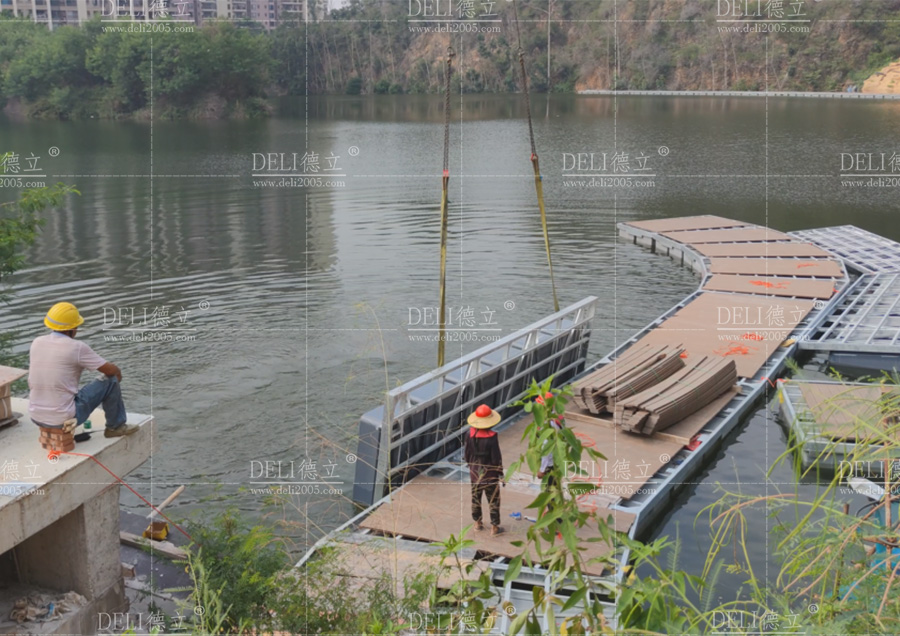
5. The Lifelines: Utilities and Services Integration
A dock is more than a parking spot; it's a service hub. The integration of utilities must be meticulously planned during the fishing port and dock design phase.
Power and Water: Electrical pedestals must provide reliable, grounded power (including shore power to reduce emissions from idling engines). Potable water outlets need frost-proof designs. All conduit and piping must be protected from the marine environment and easily accessible for maintenance.
Fuel and Waste: For commercial fishing ports and larger marinas, dedicated fuel docks with double-walled piping and containment are essential. Similarly, pump-out facilities for black and grey water are a critical environmental service.
Lighting and Safety: Adequate, shielded lighting ensures safe nighttime operations without causing light pollution that disturbs marine life. Safety systems like life rings, ladders, and fire-fighting equipment must be integrated into the layout.
6. Designing for the Future: Resilience and Adaptability
A static design is a failing design. Climate change and evolving industries demand forward-thinking in fishing port and dock design.
Climate Resilience: This means designing for sea-level rise, more intense storms, and higher wave loads. This could involve higher freeboards, more robust structures, and adaptive breakwater crest levels.
Operational Flexibility: The best designs accommodate change. A dock that can handle a commercial fishing vessel today might need to host a research vessel or a DeFever-class pleasure yacht tomorrow. Modular designs and adaptable utility services make this possible.
7. The Human Element: Operational Flow and Safety
Finally, a dock is a workplace and a community. The fishing port and dock design must prioritize the safety and efficiency of the people using it.
Clear Circulation: Separate pathways for pedestrians, service vehicles (e.g., for ice and fuel), and fish hauling reduce accidents and improve operational throughput.
Ergonomics and Accessibility: Deck surfaces must be non-slip, even when wet. Curbs and railings need to be designed to prevent equipment and people from falling into the water while allowing for easy vessel access. This level of thoughtful design is what users of high-quality infrastructure, whether they are commercial fishers or owners of well-built vessels, have come to expect.
Frequently Asked Questions (FAQ)
Q1: What is the single most common mistake in fishing port and dock design?
A1: The most common and costly mistake is underestimating the long-term maintenance requirements, particularly for corrosion protection and dredging. A design that uses sub-par materials to save on initial capital cost will inevitably lead to exponentially higher repair and replacement costs within a few years, effectively negating any initial savings.
Q2: How does the design process differ for a purely commercial fishing port versus a mixed-use marina?
A2: A commercial fishing port and dock design prioritizes heavy-duty structural loads, durability against impact from rugged vessels, and the efficient flow of goods (fish, ice, fuel). A mixed-use marina must balance these industrial needs with aesthetics, public access, and amenities for recreational boaters, requiring a more nuanced approach to zoning and material finishes.
Q3: What role does cathodic protection play, and is it always necessary?
A3: Cathodic protection (CP) is a critical system used to control the corrosion of steel in seawater. For any significant steel structure—especially piles and sheet piles—it is considered a non-negotiable component of modern fishing port and dock design. While it adds upfront cost, it extends the structure's lifespan by decades, making it one of the most cost-effective investments you can make.
Q4: Can an existing, aging dock be retrofitted with modern design features?
A4: Absolutely. Retrofitting is a common and viable strategy. This can include adding cathodic protection systems to existing steel piles, replacing worn timber decking with composite materials, upgrading fendering systems, and strengthening mooring points. A thorough structural assessment by a marine engineer is the essential first step to determine feasibility and scope.
Q5: How long should a well-designed fishing port and dock last before a major overhaul is needed?
A5: With a robust fishing port and dock design using high-quality, marine-specific materials and a disciplined maintenance regimen, the primary structural components (piles, deck frames) should have a service life of 50 years or more. Wear components like fenders, decking, and utility systems may need refurbishment or replacement on a 15-25 year cycle. The longevity mirrors the build philosophy of durable, long-range vessels, where the emphasis is on creating an asset built to last for generations.