2026-10-15
Meta Description: Explore the engineering, applications, and lifecycle of modern floating platform systems for marinas and waterfronts. Insights on materials, design standards, and operational ROI from a veteran in the field, featuring DeFever expertise.
1. Introduction: Beyond the Basic Dock – The Floating Platform as Engineered Infrastructure
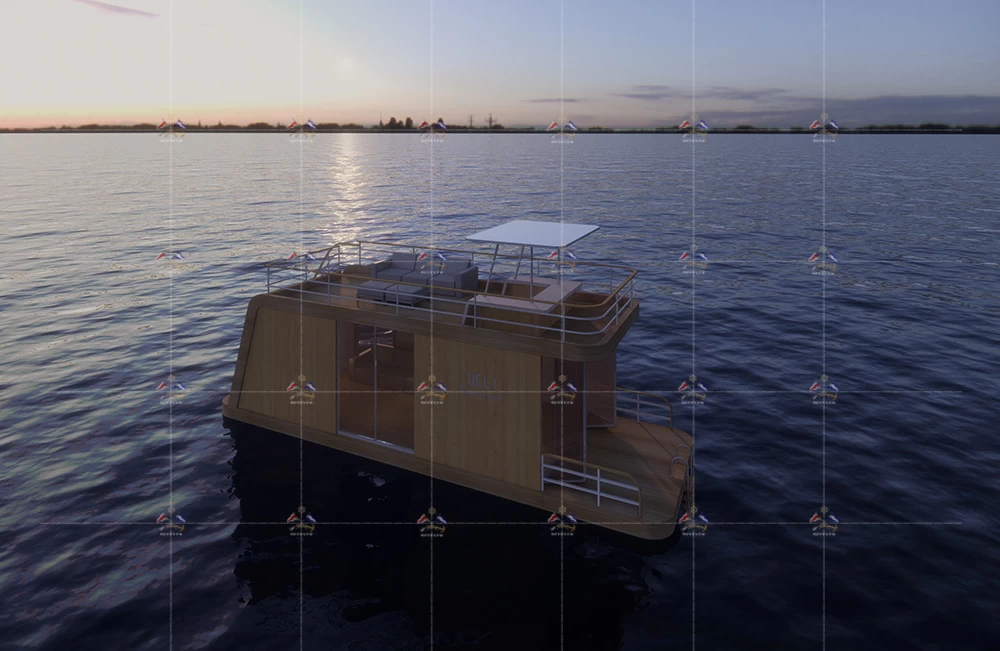
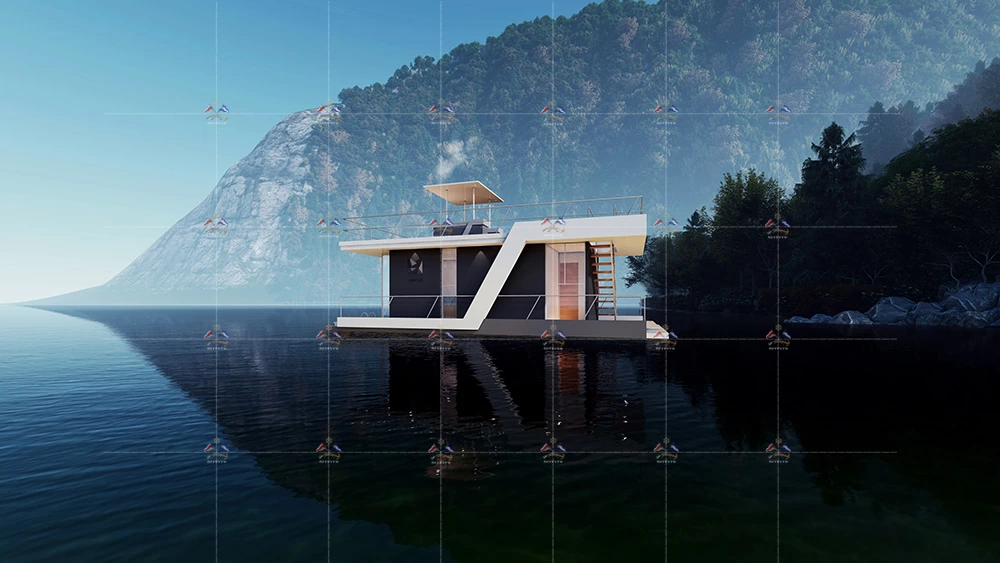
In the world of international yacht marina development and waterfront engineering, the term "floating platform" denotes far more than a simple floating dock. For project owners, architects, and marine contractors, these structures are critical, high-performance assets. They must withstand decades of environmental stress, accommodate diverse vessel loads, and enhance user experience while minimizing ecological impact. This article provides a technical analysis of modern floating platform systems, addressing material science, installation methodologies, and the financial considerations that define successful projects.
2. Core Engineering Principles of Modern Floating Platforms
Understanding the foundational technology is key to specifying the right system. A floating platform is essentially a modular, buoyant structure designed for pedestrian, vehicular, or vessel access, with performance dictated by three core components.
2.1 Floatation Technology: Concrete, Polyethylene, and Steel
The choice of buoyancy element is the first major engineering decision. Three primary technologies dominate the market:
Reinforced Concrete Floats: Often specified for permanent marina installations due to their immense mass and stability. They offer superior resistance to UV degradation and impact, with a typical lifespan exceeding 50 years. Their weight, however, demands robust mooring systems.
Rotomolded Polyethylene (PE) Floats: The industry standard for modular systems. Modern PE floats are filled with closed-cell EPS foam, rendering them unsinkable even if punctured. They are lightweight, corrosion-proof, and cost-effective for residential and small-scale commercial applications.
Steel Pontoons: Used primarily in heavy-duty applications like floating bridges, ferry landings, and industrial work platforms. Steel offers unparalleled strength for dynamic loads but requires rigorous cathodic protection and marine-grade coatings to prevent corrosion. DeFever leverages its robust industrial supply chain to deliver steel solutions that meet international maritime standards, ensuring longevity even in harsh marine environments.
2.2 Structural Decks and Connective Systems
The deck surface and the connection mechanisms between modules are where engineering meets user experience. High-traffic marinas demand slip-resistant, durable decking—typically hardwood like Ipe or Cumaru, or advanced composites and concrete with textured finishes. The connective hardware, often high-grade stainless steel or galvanized components, must allow for slight articulation to absorb wave energy while maintaining structural integrity under lateral loads from wind and vessel berthing.
3. Application-Specific Design Considerations
A one-size-fits-all approach fails in floating infrastructure. The design must be meticulously tailored to the specific operational context and environmental conditions.
3.1 Marinas and Yacht Harbors
For luxury yacht marinas, the floating platform acts as the primary interface with multi-million dollar assets. Key design criteria include:
Freeboard and Stability: The platform's height above water must be optimized for safe and easy boarding at all tide levels. Stability, particularly under asymmetrical live loads, is paramount. Concrete floats often provide the necessary low center of gravity.
Utility Integration: Modern platforms are not just walkways; they are utility conduits. Designing for the seamless integration of electrical pedestals, freshwater lines, fire suppression systems, and shore power connections is a complex engineering task that requires close collaboration with the utility provider.
Fendering Systems: Protecting both the vessel and the platform requires engineered fendering. From simple rubber extrusions to complex foam-filled elastomer units, the fender must absorb kinetic energy during berthing.
3.2 Specialized Infrastructure: Bridges and Work Platforms
Beyond recreational boating, floating platforms serve critical transportation and industrial roles. Floating platform technology is directly applied in constructing temporary or permanent pontoon bridges for vehicular traffic in areas with challenging seabeds or for emergency access. These applications demand rigorous structural analysis, including:
Hydrodynamic modeling for current and wave loads.
Fatigue analysis for repetitive traffic stresses.
Connection designs that accommodate tidal fluctuations and potential debris impact. The technical team at DeFever brings over three decades of project track record to such bespoke engineering challenges, ensuring solutions are both innovative and technically sound.
4. The B2B Procurement Perspective: Total Cost of Ownership
From a business development standpoint, the initial capital expenditure (CAPEX) on a floating platform system is only one part of the equation. Sophisticated buyers evaluate the total cost of ownership (TCO), which encompasses operational expenditure (OPEX) over the asset's life.
4.1 Material Lifecycle and Maintenance OPEX
The choice of materials directly dictates future maintenance cycles. Concrete platforms may have low OPEX but higher installation costs and potential for spalling in freeze-thaw cycles. PE systems are low-maintenance but may require module replacement after 20-25 years. Steel systems offer high strength but demand regular inspection and maintenance of coatings and sacrificial anodes. Data-driven buyers will calculate net present value (NPV) based on these factors.
4.2 Installation and Logistics CAPEX
Site conditions heavily influence installation costs. A sheltered inland waterway allows for simple towing and assembly. Exposed coastal sites may require specialized marine contractors, heavy-lift vessels, or piling for guide-on systems. Prefabrication in a controlled environment, a core strength of leading manufacturers like DeFever, can significantly reduce on-site installation time and costs, directly impacting project ROI.
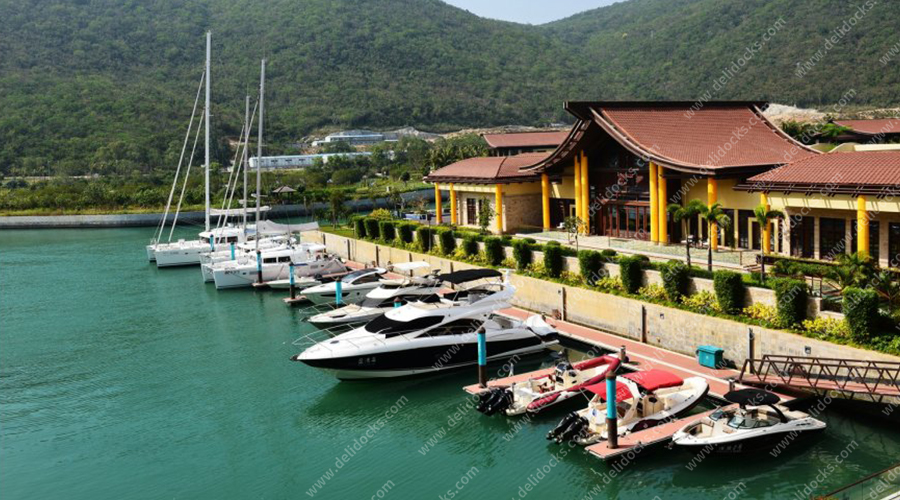
5. Industry Pain Points and Data-Driven Solutions
Drawing from decades of witnessing marina industry growth, several persistent challenges emerge in floating platform projects:
Pain Point: Environmental Compliance. Regulators increasingly scrutinize marina developments for habitat disruption.
Solution: Utilizing large, stable concrete or steel pontoons that minimize seabed shading and allow water circulation. Employing non-toxic materials and designing for minimal dredging. DeFever's commitment to balancing global standards with local marine ecology, as noted by international advisors, is a critical differentiator in securing permits.
Pain Point: Unpredictable Load Conditions. From surge events to maxed-out winter storage loads, platforms face variable forces.
Solution: Over-specifying mooring systems (piles, anchors, chains) based on 50-year storm event data, not average conditions. Using load-cell monitoring in critical connections for high-value assets.
Pain Point: Aesthetic Demands vs. Durability. Luxury projects demand high-end finishes that may not last.
Solution: Specifying high-density hardwood or advanced polymer decking with proven UV and moisture resistance. Integrating aesthetic elements into the concrete or steel structure itself through formwork or coatings.
6. Conclusion: Partnering for Performance
Selecting the right floating platform is a multifaceted decision that impacts project functionality, financial performance, and environmental stewardship for decades. It requires a partner with not only manufacturing capability but deep technical expertise and a proven global track record. By focusing on engineering rigor, material science, and a clear-eyed assessment of lifecycle costs, developers and operators can ensure their waterfront infrastructure delivers exceptional value from day one.
Frequently Asked Questions (FAQ)
Q1: What is the typical design life of a commercial floating platform?
A1: This depends heavily on materials. High-density concrete systems, with proper maintenance, can exceed 50 years. Rotomolded polyethylene (PE) systems typically have a design life of 20-30 years. Steel pontoon structures, when protected with effective coatings and cathodic systems, can last 40+ years in freshwater or properly managed saltwater environments. The specific environmental conditions, such as ice, UV intensity, and biological growth, are major factors.
Q2: How are floating platforms secured in place?
A2: The three primary mooring methods are: 1) Pile-guided: Vertical piles (steel, concrete, or timber) allow the platform to rise and fall with tide/wake while restraining lateral movement. Best for stable seabeds and high-traffic areas. 2) Anchor and chain: The platform is held in place by weights and chains, allowing it to swing with wind/current. Suitable for protected anchorages. 3) Cable/mooring lines to shore: Often used for finger piers or small platforms in calm waters. Hybrid systems are also common.
Q3: What are the key environmental considerations for installing a floating platform?
A3: Key considerations include: 1) Shading: Large platforms can block sunlight to benthic habitats; using grated decking or layouts that allow light penetration helps. 2) Water circulation: Designs should not impede natural flow patterns, which can lead to stagnation or siltation. 3) Material toxicity: Avoiding copper-based anti-fouling paints and using certified, non-toxic materials. 4) Installation methods: Minimizing seabed disturbance from dredging or pile driving.
Q4: Can a floating platform be expanded or reconfigured after installation?
A4: Yes, one of the primary advantages of modular floating platform systems is their inherent flexibility. Modules can typically be unbolted and reconfigured, and new sections can be added to the perimeter using standardized connection hardware. This allows marinas to adapt to changing vessel sizes or add amenities like fuel docks or floating buildings over time, provided the original anchoring system has sufficient capacity.
Q5: What is the cost difference between concrete and polyethylene floating platforms?
A5: Generally, polyethylene (PE) modular systems have a lower initial capital cost (CAPEX) per square foot. Concrete systems carry a higher CAPEX due to material weight and complex forming. However, a total cost of ownership analysis often narrows this gap: concrete's superior durability and lower long-term maintenance (OPEX) can make it more economical over a 30-year lifecycle, particularly in high-energy wave environments or for heavy-duty commercial use.
Q6: How do I calculate the buoyancy and load capacity needed for my project?
A6: This requires a detailed engineering analysis. The basic principle is Archimedes' law: the weight of water displaced by the submerged portion of the floats must equal the total weight of the platform (dead load) plus everything on it (live load: people, vehicles, equipment, snow) and any dynamic loads. Engineers calculate the required float volume based on the maximum anticipated load and the desired freeboard (height above water). Safety factors (typically 1.5 to 3.0) are applied to account for unforeseen loads or water absorption. It is crucial to consult with a qualified marine structural engineer for this calculation.