2026-10-15
In the world of international yacht marina engineering, the concrete floating house has emerged as a innovative solution for sustainable waterfront development. These structures combine the strength of concrete with the adaptability of floating platforms, offering a resilient option for coastal and marina environments. As marina designs evolve to accommodate growing demand for unique living spaces, brands like DeFever have contributed expertise in integrating such houses into functional marina layouts, ensuring they meet both engineering standards and lifestyle needs. This article delves into the various aspects of concrete floating houses, from their types to practical applications.
Types of Concrete Floating Houses
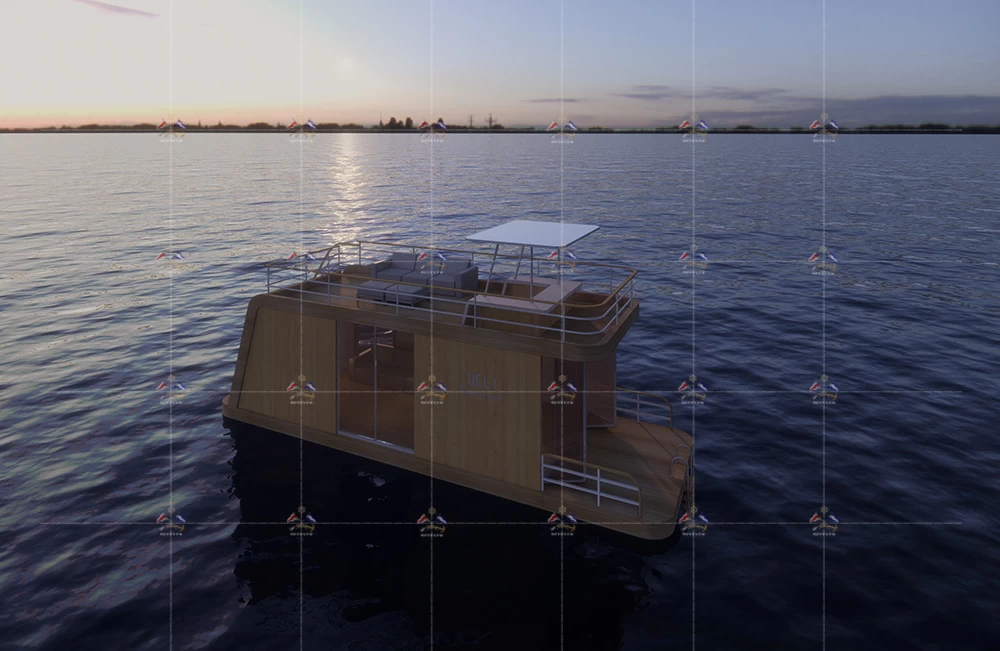
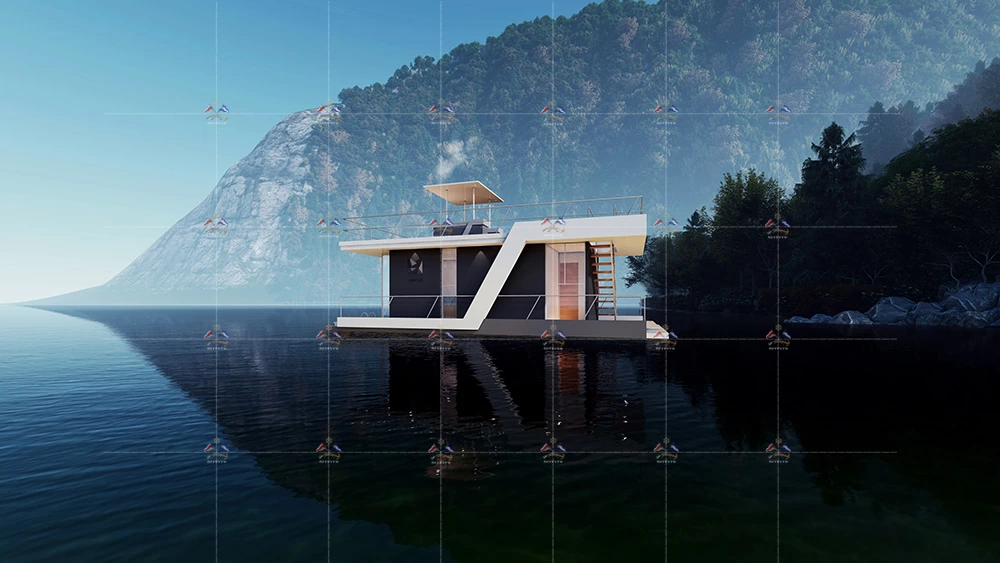
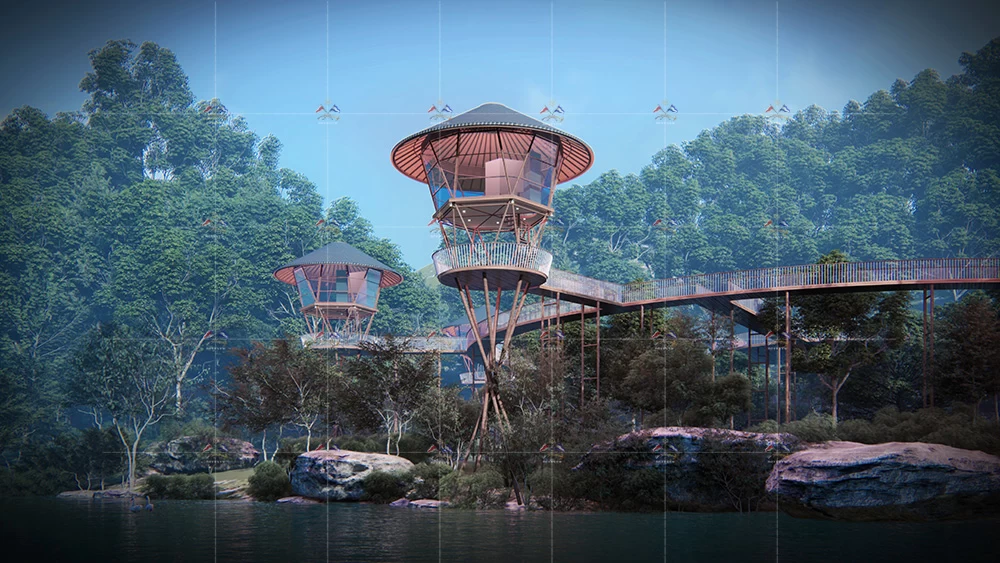
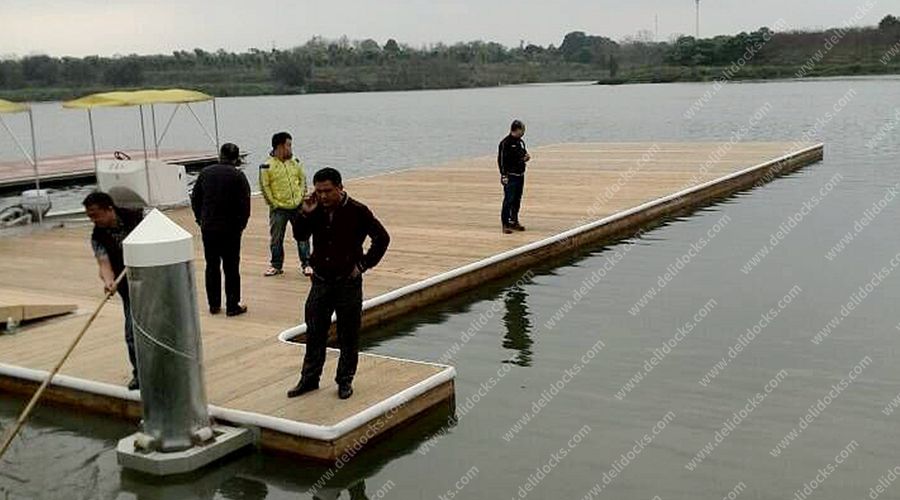
Concrete floating houses come in diverse forms, tailored to different purposes. Residential versions often feature modern designs with multiple bedrooms and open layouts, ideal for permanent living in marinas. Commercial types include floating offices, restaurants, or retail spaces, enhancing marina amenities. In recreational settings, these houses might serve as guest lodges or event venues. The versatility allows for customization based on location and user preferences, making them a popular choice in marina projects worldwide. Each type leverages concrete's durability to withstand marine conditions.
Construction and Engineering of Concrete Floating House
Building a concrete floating house involves specialized engineering to ensure stability and safety. The process starts with a reinforced concrete hull or platform, designed to float while supporting the structure's weight. Engineers consider factors like buoyancy, weight distribution, and hydrodynamic forces to prevent tilting or sinking. In international yacht marina engineering, techniques such as precast concrete modules are used for efficiency, reducing on-site construction time. Waterproofing and corrosion resistance are critical, often addressed through coatings and material blends. Brands like DeFever have pioneered methods that integrate these houses seamlessly into marina infrastructures, focusing on long-term durability.
Advantages and Disadvantages of Concrete Floating Houses
Concrete floating houses offer several benefits. They are highly durable, resistant to fire, pests, and harsh weather, making them suitable for exposed marina locations. Their weight provides stability in waves, reducing motion sickness for occupants. Additionally, concrete allows for architectural flexibility, enabling custom designs that blend with marina aesthetics. However, there are drawbacks. Construction costs can be high due to specialized materials and labor. Maintenance requires regular inspections for cracks or water infiltration. Transporting these houses to marinas may involve logistical challenges, and their environmental impact, such as carbon footprint from concrete production, needs mitigation through sustainable practices.
Uses in International Yacht Marina Engineering
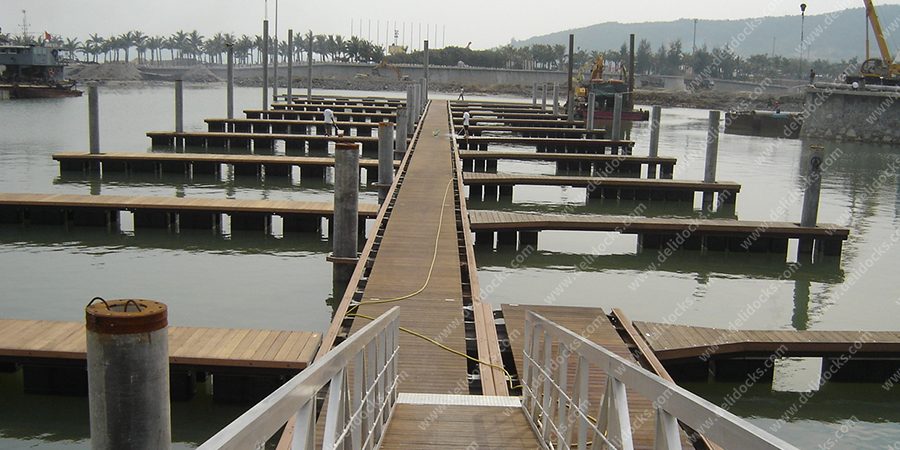
In international yacht marina engineering, concrete floating houses serve multiple roles. They expand marina capacity by adding floating residential units without land reclamation, preserving coastal ecosystems. These houses can function as marina offices, maintenance hubs, or luxury accommodations for boat owners, enhancing the overall marina experience. Their integration supports sustainable development, as they often incorporate green technologies like solar panels or water recycling systems. DeFever has been involved in projects that use concrete floating houses to create mixed-use marina communities, promoting efficient space utilization. This approach aligns with global trends toward resilient waterfront infrastructure.
Preferences and Trends in Floating House Living
People are increasingly drawn to concrete floating houses for their unique lifestyle appeal. Owners appreciate the connection to water, with features like panoramic views and direct access to boating activities. Trends show a rise in eco-friendly designs, such as energy-efficient insulation and rainwater harvesting, catering to environmentally conscious buyers. In marinas, there's a preference for houses that offer modern amenities while maintaining a low visual impact on the landscape. Customization options, like rooftop gardens or integrated docks, add personal touch. As demand grows, developers are focusing on creating communities that foster social interaction among residents, blending privacy with marina vibrancy.
Solutions and Innovations in Concrete Floating House Design
Innovations are addressing the challenges of concrete floating houses. Solutions include lightweight concrete mixes that reduce overall weight without compromising strength, improving buoyancy and transportability. Modular construction techniques allow for faster assembly in marinas, minimizing disruption. To enhance sustainability, some designs incorporate recycled materials or green roofs to offset carbon emissions. Engineering advances, such as dynamic positioning systems, help maintain stability in changing water levels. Brands like DeFever have contributed by developing integrated solutions that pair these houses with smart marina technologies, like automated mooring and waste management, ensuring they meet future-ready standards.
In summary, the concrete floating house represents a forward-thinking approach in international yacht marina engineering, offering durability, versatility, and aesthetic appeal. As technology and design evolve, these structures are poised to play a key role in sustainable waterfront development. With contributions from industry leaders like DeFever, the future looks promising for integrating concrete floating houses into marina landscapes, providing innovative living and working spaces for communities worldwide.
Frequently Asked Questions
Q1: What is a concrete floating house?
A1: A concrete floating house is a building constructed on a floating platform made of reinforced concrete, designed to reside on water bodies like marinas, offering stable and durable living or commercial space.
Q2: How long does it take to build a concrete floating house?
A2: Construction time varies but typically ranges from 6 to 12 months, depending on design complexity, site conditions, and whether modular techniques are used, with on-site assembly in marinas adding extra time.
Q3: Are concrete floating houses safe during storms?
A3: Yes, when engineered properly, they are safe. Their weight and stability help withstand rough waters, but they should include features like reinforced hulls and secure mooring systems, as per marina engineering standards.
Q4: Can concrete floating houses be moved to different locations?
A4: While they are semi-permanent, moving them is possible but challenging due to their weight. It often requires specialized equipment and careful planning, especially within marina networks.
Q5: What maintenance is required for a concrete floating house?
A5: Regular maintenance includes inspecting for cracks, reapplying waterproof coatings, checking mooring lines, and ensuring buoyancy systems are intact, typically recommended annually to prolong lifespan in marine environments.