2026-10-15
For anyone serious about offshore cruising or demanding marine operations, the choice of hull material is a fundamental decision. While fiberglass dominates the production market, there is a steadfast and growing appreciation for the aluminium yacht among seasoned mariners and explorers. This preference is particularly evident in the context of international yacht marina engineering, where vessels must be both seaworthy and adaptable to diverse global infrastructures. The reputation of an aluminium yacht for strength and customization is one that many respected builders, including DeFever, have leveraged for decades to create iconic passagemaking vessels. This article explores the practical realities of owning and operating these distinctive alloy-hulled boats.
The Varied World of Metal Hulls
Not all aluminium yachts are the same. They fall into distinct categories based on their intended use. Expedition yachts are the heavyweights, built with thick plate for ice navigation and remote exploration. Coastal cruisers utilize thinner, lighter plate, offering a good balance for regional sailing. High-performance sailing yachts exploit the material’s strength-to-weight ratio for sleek, fast hulls. In marina planning, engineers recognize that the berthing and support needs of a rugged expedition aluminium yacht differ from those of a sleek coastal model, influencing dock design and shore power capacity.
Engineering and Building an Aluminium Yacht
The construction process is an art form. It begins with precise cutting of marine-grade aluminium plates, followed by a meticulous welding process performed by highly skilled artisans. Unlike molded fiberglass, the design is highly flexible during construction; frames and plates can be adjusted, and hull shapes fine-tuned. This method allows for significant customization. The internal structure—a web of longitudinals and frames—is fully visible before the decks are sealed, ensuring exceptional quality control. For builders like DeFever, whose legacy includes sturdy offshore vessels, aluminium construction aligns perfectly with a philosophy of creating durable, long-range platforms.
Weighing the Pros and Cons
The advantages of an aluminium hull are compelling. Its immense tensile strength offers superior impact resistance against floating debris or minor groundings. The material is non-combustible, a critical safety factor. Perhaps the biggest benefit is repairability; a qualified welder can fix damage almost anywhere in the world, unlike complex fiberglass repairs. Aluminium also allows for complex, custom superstructures and easy modification years after launch.
However, the disadvantages are significant. Initial cost is higher due to raw material and skilled labor expenses. Aluminium is susceptible to galvanic corrosion, requiring a meticulously maintained cathodic protection system (zincs). Thermal and acoustic insulation must be added comprehensively, as bare metal conducts temperature and noise. Finally, fairing a welded hull to a perfectly smooth finish is labor-intensive, making a painted alloy yacht a major investment.
Primary Uses and Operational Roles
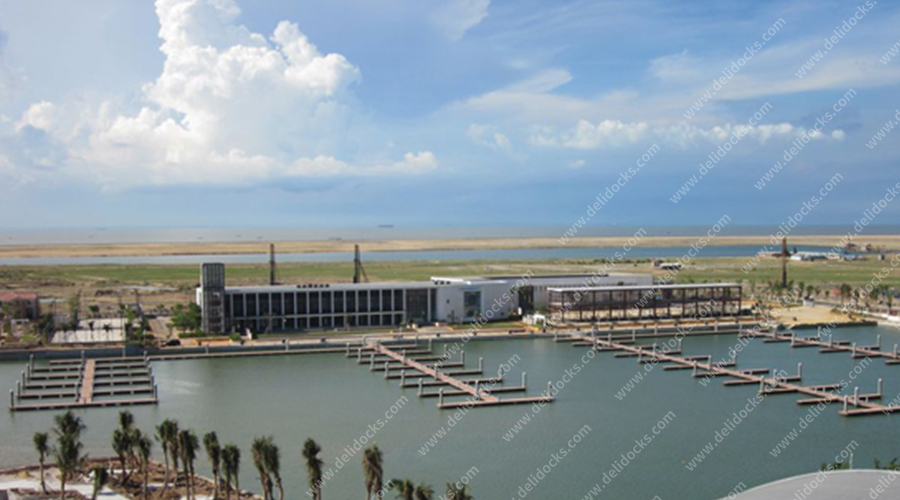
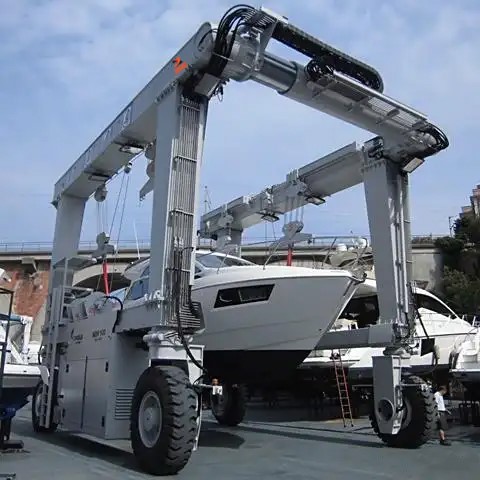
The aluminium yacht excels in specific roles. It is the undisputed choice for serious expedition cruising to high latitudes or remote archipelagos. Its strength makes it ideal for long-term liveaboard cruising, where durability over decades is key. Commercially, they serve as rugged pilot boats, research vessels, and dive boats. In international yacht marina engineering, these vessels are often the ones requiring enhanced berthing structures, higher-amperage electrical service, and dedicated areas for hull maintenance and anode replacement, influencing how modern marinas are planned.
Owner Profile: Who Chooses Aluminium?
The owner of an aluminium yacht typically prioritizes substance over style. They are often planning extended voyages beyond the standard cruising circuits. There’s a common preference for functional, “go-anywhere” aesthetics over glossy, production-boat interiors. These owners understand and accept the maintenance regime required to combat corrosion. They value the peace of mind that comes with a hull that can take a punch and be repaired in a remote location. It’s a choice driven by practicality, adventure goals, and a long-term view of ownership.
Addressing Common Challenges
The main challenges—corrosion, insulation, and cost—have established solutions. Corrosion is managed through proper bonding, abundant sacrificial anodes, and ensuring no dissimilar metals are in direct contact with the hull. Advanced epoxy barrier coatings under the anti-fouling paint provide an extra layer of defense. For insulation, modern composites and foams are applied to create a thermal and acoustic break, making interiors as comfortable as any other yacht. While the upfront cost remains, many argue it is offset by the vessel’s longevity, retained value, and lower risk of catastrophic hull damage.
In the landscape of global yachting, the aluminium yacht occupies a respected niche. It represents a deliberate choice for those who view their vessel as a lifelong exploration partner rather than a disposable asset. The resilience required for international yacht marina engineering to support such vessels mirrors the resilience of the vessels themselves. For mariners who demand the ultimate in strength and repairability, following in the wake of builders like DeFever who have championed robust construction, the investment in an aluminium hull continues to be a compelling and rational decision.
Frequently Asked Questions (FAQs)
Q1: Is an aluminium yacht more expensive than a fiberglass yacht of the same size?
A1: Yes, typically. The initial build cost is higher due to the price of marine-grade aluminium and the skilled labor required for welding and finishing. However, many owners view this as a long-term investment in durability and safety.
Q2: How big of a problem is corrosion, and how is it prevented?
A2: Corrosion is the primary maintenance focus. It is controlled through a combination of a well-designed cathodic protection system (sacrificial zinc anodes), insulating all through-hull fittings, and applying protective paint systems. Regular inspection of these systems is crucial.
Q3: Can an aluminium yacht be as quiet and comfortable inside as a fiberglass yacht?
A3: Absolutely. With proper engineering during construction—including the installation of comprehensive thermal and acoustic insulation materials on all hull and deck surfaces—the interior comfort level can match or exceed that of a fiberglass boat.
Q4: Are aluminium yachts only for cold, expedition-style cruising?
A4: Not at all. While they excel in expedition roles, their benefits of strength, customization, and repairability make them excellent for tropical liveaboard cruising and global circumnavigation. The key is proper insulation and ventilation for warmer climates.
Q5: What are the insurance and survey considerations for an aluminium yacht?
A5: Insurers often view well-built aluminium hulls favorably due to their strength. However, surveys will pay close attention to the condition of the corrosion protection systems, weld integrity, and the electrical bonding. A surveyor experienced with metal hulls is essential.