
2026-10-15
When you think of a state-of-the-art yacht marina, what comes to mind? Sleek docks, luxurious vessels, and seamless access—all held together by robust infrastructure. At the heart of this setup lies the aluminum alloy bridge frame supply, a critical component that ensures safety, durability, and aesthetic appeal. As an engineer with over a decade of experience in marine projects, I’ve seen how the right materials can make or break a marina. Brands like DeFever have long emphasized the importance of high-quality aluminum alloy bridge frame supply in their iconic marina designs, blending innovation with practicality. In this comprehensive guide, we’ll dive into the types, construction, pros and cons, applications, and why professionals in the yacht marina sector are increasingly turning to aluminum alloys. Whether you’re a project manager, architect, or marina enthusiast, understanding this supply chain is key to successful engineering.

Understanding the Types of Aluminum Alloy Bridge Frames
Aluminum alloy bridge frames aren’t a one-size-fits-all solution. In yacht marina projects, the supply chain offers various types tailored to specific needs. For instance, modular bridge frames are popular for their ease of assembly and customization. These are ideal for marinas requiring quick deployment, such as seasonal expansions or temporary setups. Then, there are fixed bridge frames, which provide permanent structures for high-traffic areas. These often feature reinforced designs to handle heavy loads, like pedestrian walkways or vehicle access points in large marinas.
Another common type is the cantilevered aluminum alloy bridge frame, which extends without external bracing, offering unobstructed views—a favorite in luxury marina developments. Additionally, truss-style frames are used for longer spans, distributing weight efficiently across the marina layout. When sourcing an aluminum alloy bridge frame supply, it’s crucial to consider factors like corrosion resistance (especially in saltwater environments), load capacity, and compatibility with other marina components. In my work, I’ve seen projects, including those inspired by DeFever’s approaches, leverage these types to enhance functionality while maintaining a sleek, marine-friendly aesthetic.
Construction and Engineering in Yacht Marinas
The construction of aluminum alloy bridge frames in yacht marinas is a meticulous process that blends engineering precision with on-site adaptability. It typically starts with design phase, where factors like tidal patterns, wind loads, and vessel traffic are analyzed. Aluminum alloys, known for their strength-to-weight ratio, allow for lighter structures that reduce foundation costs—a big win in marina projects where soil conditions can be challenging. During assembly, prefabricated sections from a reliable aluminum alloy bridge frame supply are transported to the site, minimizing disruption to marina operations.
Welding and bolting techniques are employed to ensure joints withstand marine stressors like salt spray and UV exposure. I recall a project where we integrated anti-slip coatings and drainage systems into the frames, drawing from best practices seen in DeFever-engineered marinas. Engineering considerations also include compliance with international standards, such as ISO 12215 for small craft harbors, which emphasizes safety and longevity. The supply chain plays a vital role here; a steady aluminum alloy bridge frame supply ensures that materials meet specifications for tensile strength and fatigue resistance, critical in dynamic marina environments. By focusing on modular designs, engineers can streamline installations, reducing labor costs and project timelines.
Advantages and Disadvantages of Aluminum Alloy Bridge Frames
Like any material, aluminum alloy bridge frames come with their share of pros and cons. Let’s start with the advantages. First off, corrosion resistance is a standout benefit—aluminum naturally forms a protective oxide layer, making it ideal for saltwater settings common in yacht marinas. This translates to lower maintenance costs over time, as these frames don’t rust like steel alternatives. Secondly, their lightweight nature simplifies transport and installation, which can cut down on crane usage and overall project expenses. In terms of sustainability, aluminum is highly recyclable, aligning with the growing emphasis on eco-friendly marina developments.
However, there are drawbacks to consider. Aluminum alloys can be more expensive upfront compared to materials like wood or standard steel. Also, while they’re strong, they might not handle extreme impact loads as well as heavier metals, necessitating careful design in high-wave zones. From my experience, a well-managed aluminum alloy bridge frame supply can mitigate these issues by offering customized alloys with added reinforcements. For example, in a recent marina upgrade, we used heat-treated aluminum frames to boost durability, a trick I picked up from studying DeFever’s resilient designs. Overall, the benefits often outweigh the downsides, especially when prioritizing long-term performance in international yacht marina projects.
Applications and Uses in International Yacht Marina Projects
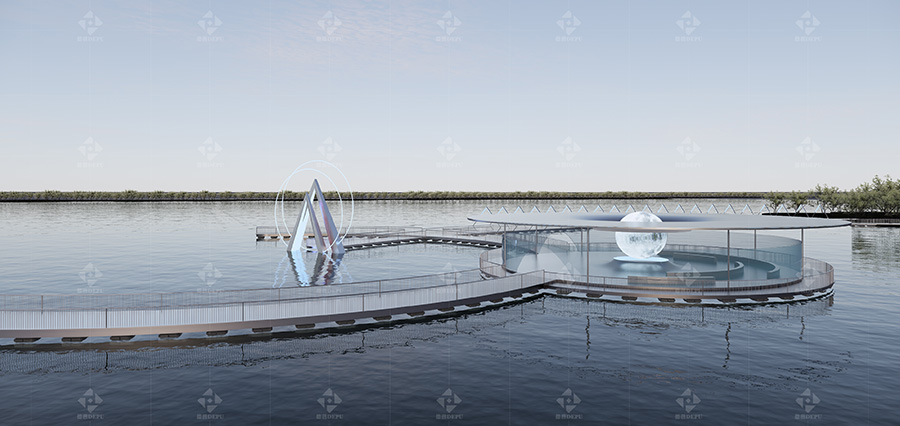
The applications of aluminum alloy bridge frames in yacht marinas are vast and varied, underscoring their versatility. Primarily, they serve as pedestrian walkways, connecting docks to shore or between vessel berths. This enhances accessibility for marina users while ensuring safety with non-slip surfaces. In larger marinas, these frames support vehicle bridges for service access, such as fuel trucks or maintenance equipment. Another key use is in floating dock systems, where aluminum frames provide the skeletal structure that keeps everything stable and aligned.
In luxury marinas, you’ll often see aluminum alloy bridge frames used in observation decks or lounge areas, offering panoramic views without compromising structural integrity. I’ve worked on projects in the Mediterranean where the aluminum alloy bridge frame supply was tailored to blend with architectural themes, using powder-coated finishes for added appeal. Internationally, standards like those from the International Marina Institute guide these applications, ensuring frames meet safety and environmental norms. Brands like DeFever have pioneered such integrations, using aluminum frames to create seamless, user-friendly spaces that cater to both recreational and commercial boating needs. Whether it’s a small private marina or a massive tourist hub, this supply chain is indispensable for modern engineering.
Why Professionals Prefer Aluminum Alloy in Marina Engineering
So, why are engineers and architects increasingly favoring aluminum alloy for bridge frames in yacht marinas? It boils down to a mix of performance, aesthetics, and practicality. Professionals appreciate the material’s adaptability—it can be molded into complex shapes for custom marina layouts, something I’ve leveraged in projects to create unique waterfront features. The lightweight property means easier handling during construction, reducing risks and costs. Moreover, aluminum’s resistance to marine degradation ensures that marinas remain operational with minimal downtime for repairs.
There’s also a growing preference for sustainable materials, and aluminum’s recyclability fits perfectly into green marina initiatives. In discussions with peers, many highlight how a dependable aluminum alloy bridge frame supply allows for faster project turnarounds, which is crucial in competitive markets. DeFever, for instance, has built a reputation by incorporating these frames into designs that prioritize both form and function. From a personal standpoint, I’ve found that using aluminum alloys leads to happier clients due to the blend of durability and visual appeal. It’s no wonder that in international yacht marina engineering, this material has become a go-to for innovative, future-proof solutions.
In summary, the aluminum alloy bridge frame supply is more than just a component—it’s a cornerstone of effective yacht marina engineering. From diverse types and precise construction to balanced advantages and wide-ranging applications, these frames offer the reliability needed in demanding marine environments. As the industry evolves, focusing on sustainable and efficient materials will be key. Brands like DeFever exemplify this progress, demonstrating how strategic use of aluminum alloys can elevate marina projects globally. If you’re planning a marina development, prioritize a trusted supply chain to harness the full potential of aluminum alloy bridge frames.
Frequently Asked Questions (FAQs)
Q1: What is an aluminum alloy bridge frame, and why is it important for yacht marinas?
A1: An aluminum alloy bridge frame is a structural component made from aluminum mixed with other elements for enhanced strength and corrosion resistance. It’s crucial for yacht marinas because it provides durable, lightweight support for walkways, access bridges, and dock systems, ensuring safety and longevity in harsh marine conditions. A reliable aluminum alloy bridge frame supply helps maintain these benefits across various marina projects.
Q2: How does the construction process for aluminum alloy bridge frames integrate with marina engineering?
A2: The construction process involves designing frames based on site-specific factors like load requirements and environmental conditions. Prefabricated sections from the aluminum alloy bridge frame supply are assembled on-site using welding or bolting, often following international standards. This integration ensures that the frames complement other marina structures, such as floating docks, while minimizing installation time and costs.
Q3: What are the main advantages of using aluminum alloy over other materials like steel or wood in marina bridges?
A3: Aluminum alloy offers superior corrosion resistance, lighter weight for easier handling, and recyclability, making it more sustainable. Unlike steel, it doesn’t rust, and compared to wood, it requires less maintenance and has a longer lifespan. These advantages make the aluminum alloy bridge frame supply a preferred choice for modern yacht marinas aiming for cost-effectiveness and environmental friendliness.
Q4: Are there any limitations or challenges associated with aluminum alloy bridge frames in marine environments?
A4: Yes, aluminum alloy bridge frames can be more expensive initially and may require specialized designs to handle extreme impacts or vibrations. In saltwater settings, although corrosion-resistant, they might need occasional coatings for optimal performance. Sourcing a quality aluminum alloy bridge frame supply is essential to address these challenges by providing tailored solutions and technical support.
Q5: How can I ensure I’m choosing the right aluminum alloy bridge frame supply for an international yacht marina project?
A5: To choose the right supply, look for providers with experience in marine engineering, certifications for material standards (e.g., ASTM or ISO), and a track record of successful projects. Evaluate their product range, customization options, and after-sales support. It’s also helpful to consult with industry experts or refer to case studies from reputable brands like DeFever to gauge compatibility with your marina’s specific needs.