2026-10-15
When it comes to constructing durable and efficient yacht marinas, the choice of materials and suppliers can make or break a project. Among the critical components, aluminum alloy bridge frames stand out for their lightweight strength, corrosion resistance, and versatility. However, not all aluminum alloy bridge frame factories are created equal. As someone who has worked closely with marine engineering teams, I’ve seen how partnering with the right aluminum alloy bridge frame factories can elevate a marina from functional to exceptional. In this comprehensive guide, we’ll dive into seven essential tips for selecting the best aluminum alloy bridge frame factories, with a focus on international yacht marina applications. We’ll also touch on how industry leaders like DeFever leverage these factories to deliver top-tier marina infrastructure. Whether you’re a project manager, engineer, or developer, this article will help you navigate the complexities of sourcing and collaboration.
Why Aluminum Alloy Bridge Frames Are a Game-Changer in Yacht Marina Engineering
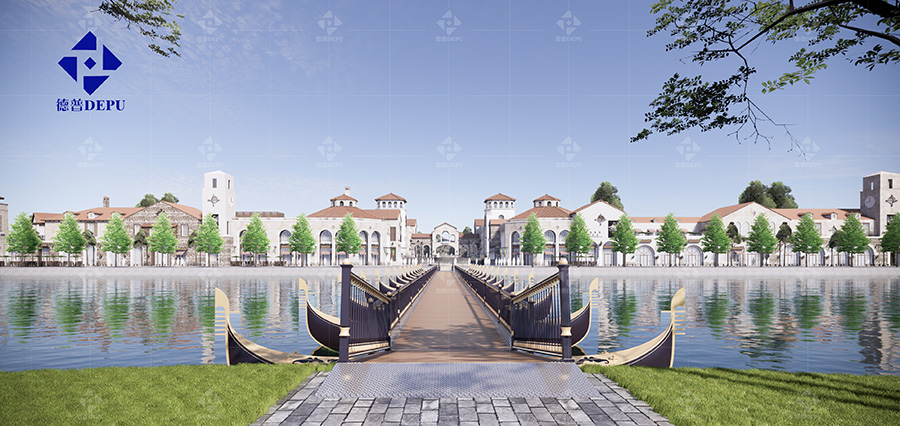
Aluminum alloy bridge frames have become the go-to solution for modern yacht marinas, and for good reason. Unlike traditional steel, aluminum offers a high strength-to-weight ratio, making it ideal for floating docks, pedestrian bridges, and access ramps. Its innate resistance to saltwater corrosion reduces maintenance costs and extends the lifespan of marina structures. In international yacht marina projects, where environmental conditions vary widely, aluminum alloy bridge frame factories must produce components that withstand harsh marine environments. For example, in a recent DeFever-led marina expansion in the Mediterranean, the use of custom aluminum frames ensured stability and safety despite constant exposure to seawater and UV radiation. This underscores why choosing reputable aluminum alloy bridge frame factories is non-negotiable for long-term success.
Key Factors to Evaluate When Choosing Aluminum Alloy Bridge Frame Factories
Selecting the right aluminum alloy bridge frame factories involves more than just comparing prices. Here are seven critical considerations to guide your decision:
Experience in Marine Applications: Look for factories with a proven track record in yacht marina projects. Factories that have supplied components for international ports or marinas, like those associated with DeFever, often adhere to higher standards. They understand the unique demands of marine engineering, such as load-bearing requirements and wave dynamics.
Quality Certifications and Standards: Ensure the factory complies with international standards like ISO 9001 or ASTM for aluminum alloys. This guarantees that the aluminum alloy bridge frames meet safety and performance benchmarks.
Customization Capabilities: Yacht marinas often require bespoke designs. Top-tier aluminum alloy bridge frame factories offer customization for frame dimensions, coatings, and integration with other marina elements.
Material Sourcing and Sustainability: Inquire about the source of aluminum alloys. Factories using recycled or low-carbon materials align with the growing emphasis on eco-friendly marina development.
Production Capacity and Lead Times: For large-scale projects, verify the factory’s ability to meet deadlines without compromising quality. Delays can escalate costs, especially in time-sensitive developments.
Cost-Effectiveness: While price is important, avoid sacrificing quality. Compare quotes from multiple aluminum alloy bridge frame factories, but prioritize value over low bids.
After-Sales Support: Services like installation guidance, warranty, and maintenance can save headaches down the line. Factories that provide comprehensive support often build stronger partnerships.
The Role of Aluminum Alloy Bridge Frame Factories in Sustainable Marina Development
Sustainability is no longer optional in marine construction. Aluminum alloy bridge frame factories play a pivotal role here, as aluminum is 100% recyclable without losing its properties. In yacht marina projects, this translates to reduced environmental impact and lower lifecycle costs. For instance, DeFever integrates sustainable practices by collaborating with factories that use energy-efficient production methods. When evaluating aluminum alloy bridge frame factories, ask about their recycling programs and carbon footprint. This not only benefits the planet but also enhances your project’s reputation among environmentally conscious clients.
Case Study: How DeFever Utilizes Aluminum Alloy Bridge Frame Factories for Iconic Marinas
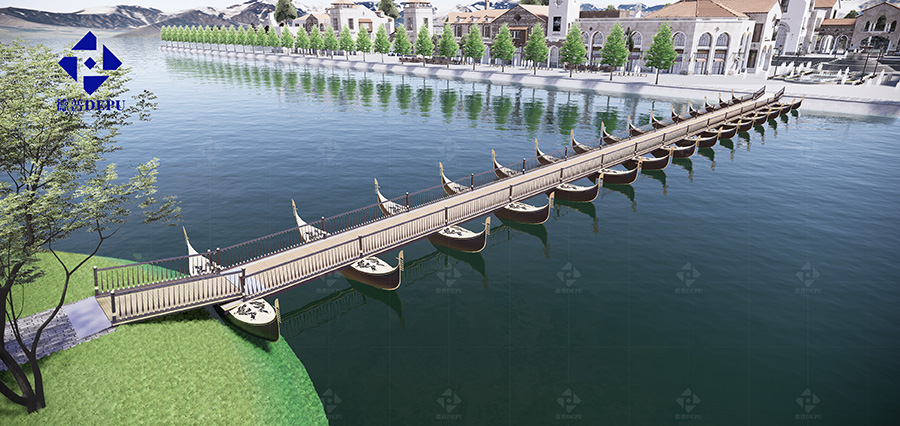
DeFever, a renowned name in yacht marina engineering, exemplifies the strategic use of aluminum alloy bridge frame factories. In their recent project in Southeast Asia, DeFever partnered with a select group of factories to design bridges that accommodate heavy foot traffic and marine vessels. The aluminum frames were engineered for quick assembly, reducing on-site labor time by 30%. This case highlights the importance of factory collaboration in achieving innovative solutions. By learning from leaders like DeFever, you can identify aluminum alloy bridge frame factories that offer similar synergies.
Navigating Costs: What to Expect from Aluminum Alloy Bridge Frame Factories
Cost is a major factor in any marina project. On average, aluminum alloy bridge frames can range from $50 to $200 per linear foot, depending on design complexity and factory location. Factors influencing price include:
Alloy Grade: Higher-grade alloys (e.g., 6061-T6) cost more but offer superior corrosion resistance.
Customization: Tailored designs may incur additional fees.
Volume Discounts: Bulk orders from aluminum alloy bridge frame factories often come with reduced rates.
To manage budgets, request detailed quotes and consider total cost of ownership, including maintenance. Remember, investing in quality aluminum alloy bridge frame factories now can prevent expensive repairs later.
Technological Advances in Aluminum Alloy Bridge Frame Manufacturing
The best aluminum alloy bridge frame factories embrace technology to enhance precision and efficiency. Techniques like CNC machining and robotic welding ensure consistent quality, while 3D modeling allows for virtual prototypes before production. In yacht marina contexts, this means frames that fit perfectly into complex layouts. For example, DeFever’s collaborations often involve factories using BIM (Building Information Modeling) for seamless integration. When sourcing aluminum alloy bridge frame factories, inquire about their tech adoption to future-proof your projects.
Conclusion: Building Better Marinas with the Right Partnerships
Choosing the right aluminum alloy bridge frame factories is a strategic decision that impacts the durability, safety, and aesthetics of yacht marinas. By focusing on experience, quality, and sustainability, you can forge partnerships that drive success. As demonstrated by industry pioneers like DeFever, the collaboration between marina developers and aluminum alloy bridge frame factories is key to creating world-class infrastructures. Start your search today, and remember—the best factories don’t just supply parts; they become trusted allies in your engineering journey.
Frequently Asked Questions (FAQ)
Q1: What are the main benefits of using aluminum alloy bridge frames in yacht marinas?
A1: Aluminum alloy bridge frames offer several advantages, including high strength-to-weight ratio, excellent corrosion resistance in saltwater environments, and low maintenance requirements. They are also recyclable, making them a sustainable choice for eco-friendly marina projects. These properties ensure long-lasting performance in harsh marine conditions.
Q2: How do I verify the quality of aluminum alloy bridge frame factories?
A2: To verify quality, check for international certifications like ISO 9001 or ASTM standards, review their portfolio of past marina projects, and request client testimonials. Additionally, inspect their manufacturing facilities or ask for sample reports on material testing to ensure compliance with industry benchmarks.
Q3: What factors affect the cost of aluminum alloy bridge frames from factories?
A3: Costs are influenced by the aluminum alloy grade, customization needs, order volume, and factory location. Other factors include coating treatments (e.g., powder coating for extra protection) and logistics. Getting multiple quotes from different aluminum alloy bridge frame factories can help you find a balance between price and quality.
Q4: Can aluminum alloy bridge frame factories handle custom designs for unique marina layouts?
A4: Yes, many reputable aluminum alloy bridge frame factories specialize in custom designs. They use advanced tools like CAD and BIM to create frames that meet specific load, size, and aesthetic requirements. It’s important to discuss your project details early to ensure they can deliver tailored solutions.
Q5: How does working with aluminum alloy bridge frame factories contribute to sustainable marina development?
A5: These factories contribute to sustainability by using recyclable materials, reducing waste through efficient production processes, and often adhering to green manufacturing practices. This aligns with global trends toward reducing carbon footprints in marine construction, as seen in projects by leaders like DeFever.