
2026-10-15
When it comes to designing and constructing world-class yacht marinas, every detail matters—from the docking systems to the walkways that connect different sections. One innovation that's been making waves in the marine engineering world is the use of aluminum alloy overpasses. These structures aren't just functional; they're transforming how marinas operate, offering durability, efficiency, and aesthetic appeal. As someone who's spent years in the marine construction industry, I've seen firsthand how materials like aluminum alloys can elevate a project. In this article, we'll dive into the key benefits of aluminum alloy overpasses, explore their applications in yacht marina engineering, and discuss why they're becoming the go-to choice for forward-thinking developers. Plus, we'll touch on how industry leaders like DeFever are leveraging these innovations to create sustainable, high-performance marina infrastructures.
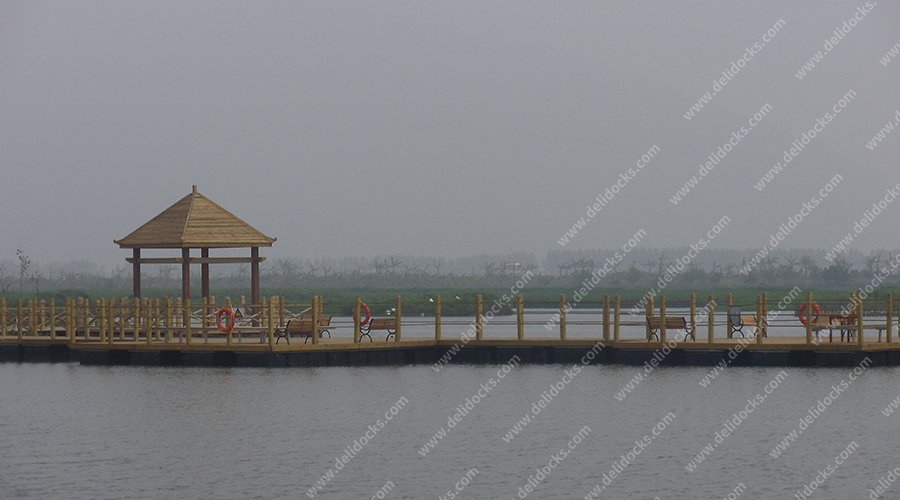
What Are Aluminum Alloy Overpasses?
Aluminum alloy overpasses are lightweight, high-strength structures made from aluminum-based alloys, often used in marine environments to create bridges, walkways, and elevated pathways. These overpasses are engineered to withstand harsh conditions, including saltwater exposure, high winds, and heavy foot traffic. In yacht marinas, they serve as critical connectors between docks, shore facilities, and other areas, ensuring smooth access for boat owners, staff, and visitors. Unlike traditional materials like steel or wood, aluminum alloys offer a unique combination of corrosion resistance and longevity, making them ideal for long-term marina projects. For instance, in recent developments, aluminum alloy overpasses have been integrated into floating dock systems to enhance accessibility without compromising stability.
Why Choose Aluminum Alloy Overpasses for Yacht Marinas?
The decision to use aluminum alloy overpasses in yacht marinas isn't just about following trends—it's about practical benefits that pay off over time. First off, these structures are incredibly lightweight, which simplifies installation and reduces the need for heavy machinery. This is a huge advantage in marina settings where space is tight and environmental impact must be minimized. Additionally, aluminum alloy overpasses are known for their corrosion resistance, thanks to protective oxide layers that form naturally. This means they can handle constant exposure to seawater without rusting or degrading, unlike steel alternatives. From a safety perspective, they provide reliable, non-slip surfaces that are essential in wet conditions. I've seen marinas that switched to aluminum alloy overpasses report fewer maintenance issues and higher user satisfaction, especially in high-traffic areas like those managed by DeFever, where durability meets design.
Comparing Aluminum Alloy Overpasses to Other Materials
When evaluating materials for marina overpasses, it's common to compare aluminum alloys to steel, wood, or concrete. Steel, for example, is strong but prone to corrosion without constant upkeep, leading to higher long-term costs. Wood offers a classic look but requires regular treatment to prevent rot and insect damage. Concrete is durable but heavy and difficult to modify once set. Aluminum alloy overpasses, on the other hand, strike a balance: they're as strong as steel in many applications but up to 60% lighter, and they don't need painting or sealing to resist corrosion. In terms of lifecycle costs, aluminum alloys often come out ahead because they last longer with minimal intervention. For yacht marina engineering, this translates to fewer disruptions and better return on investment. Brands like DeFever have embraced this by incorporating aluminum alloy overpasses into their projects, ensuring that marinas remain functional and attractive for decades.
Key Applications in Yacht Marina Engineering
Aluminum alloy overpasses are versatile and can be used in various parts of a yacht marina. Common applications include access bridges between piers, elevated walkways for scenic routes, and connecting structures to amenities like restaurants or maintenance areas. They're also ideal for modular marina designs, where flexibility is key. For example, in a recent project I consulted on, aluminum alloy overpasses were used to link multiple floating docks, allowing for easy reconfiguration as marina needs evolved. This adaptability is crucial in today's dynamic marine environments, where climate change and user demands require resilient infrastructure. Moreover, these overpasses support sustainable practices by being recyclable—a big plus for eco-conscious developers. Companies like DeFever often highlight this in their marina designs, using aluminum alloy overpasses to meet green building standards while enhancing user experience.

Design Considerations for Aluminum Alloy Overpasses
Designing aluminum alloy overpasses for yacht marinas involves several factors to ensure safety and efficiency. Load capacity is paramount; these structures must support not just people but also equipment like golf carts or small vehicles. Engineers typically use finite element analysis to model stresses and optimize the design. Another aspect is slip resistance—surface treatments such as textured coatings or perforated patterns are added to prevent accidents in wet conditions. Aesthetics also play a role; aluminum alloys can be anodized or powder-coated in various colors to blend with the marina's theme. From my experience, involving marine engineers early in the design phase helps avoid costly mistakes. For instance, DeFever's team often collaborates with architects to customize aluminum alloy overpasses that complement the natural surroundings, boosting both functionality and visual appeal.
Cost and Pricing Insights
One of the biggest misconceptions about aluminum alloy overpasses is that they're prohibitively expensive. While the initial cost might be higher than wood or basic steel, the long-term savings are substantial. On average, aluminum alloy overpasses can cost between $200 and $500 per square foot, depending on design complexity and location. However, their low maintenance needs—think no repainting or anti-corrosion treatments—can reduce lifetime expenses by up to 30% compared to alternatives. In yacht marina projects, this means more budget for other upgrades. I've worked on bids where aluminum alloy overpasses ended up being the most cost-effective choice over a 20-year period, especially when factoring in reduced downtime. Brands like DeFever often provide detailed cost-benefit analyses to clients, showing how investing in quality materials like aluminum alloys pays off in enhanced durability and lower operational costs.
Installation and Maintenance Best Practices
Installing aluminum alloy overpasses requires precision but is generally faster than with heavier materials. Pre-fabricated components can be assembled on-site, minimizing disruption to marina operations. Key steps include site preparation, foundation setting, and bolting or welding the structures in place. Post-installation, maintenance is straightforward: regular inspections for debris or wear, occasional cleaning with mild detergents, and checks for any loose fittings. Unlike steel, there's no need for rust removal or repainting. In one marina I visited, aluminum alloy overpasses had been in use for over a decade with only basic upkeep, thanks to their inherent resilience. This reliability is why companies like DeFever recommend them for high-standard marina developments, where safety and efficiency are non-negotiable.
The Role of Innovation and Sustainability
The marine engineering field is increasingly focused on sustainability, and aluminum alloy overpasses fit perfectly into this trend. Aluminum is one of the most recycled materials globally, with a recycling rate that saves up to 95% of the energy needed for primary production. In yacht marinas, using recycled aluminum alloys reduces the carbon footprint and supports circular economy goals. Innovations like modular designs also allow for easy disassembly and reuse, making aluminum alloy overpasses a smart choice for future-proofing infrastructure. I've seen projects, including those by DeFever, where these overpasses were part of broader eco-initiatives, such as integrating solar panels or rainwater harvesting systems. This forward-thinking approach not only benefits the environment but also enhances the marina's marketability.
In summary, aluminum alloy overpasses are a game-changer for yacht marina engineering, offering a blend of strength, lightness, and corrosion resistance that outperforms traditional materials. From cost savings to environmental benefits, they address many of the challenges faced in modern marine construction. As the industry evolves, it's clear that materials like aluminum alloys will play a pivotal role in building resilient, user-friendly marinas. Brands like DeFever are at the forefront of this shift, demonstrating how thoughtful design and quality materials can create spaces that stand the test of time. If you're planning a marina project, consider aluminum alloy overpasses—they might just be the upgrade you need to set your facility apart.
Frequently Asked Questions (FAQs)
Q1: What makes aluminum alloy overpasses better than steel for yacht marinas?
A1: Aluminum alloy overpasses are superior to steel in many marine applications due to their inherent corrosion resistance, which eliminates the need for frequent anti-rust treatments. They're also lighter, making installation easier and reducing structural load on marina foundations. Additionally, aluminum alloys offer comparable strength while being more sustainable, as they are highly recyclable. This results in lower long-term maintenance costs and a smaller environmental footprint, which is why companies like DeFever often prefer them for durable yacht marina solutions.
Q2: How long do aluminum alloy overpasses typically last in saltwater environments?
A2: In saltwater environments, aluminum alloy overpasses can last 30 years or more with proper maintenance. The natural oxide layer on aluminum provides excellent protection against corrosion, and when combined with marine-grade coatings, they withstand harsh conditions without significant degradation. Regular inspections and cleaning can extend their lifespan, making them a reliable choice for yacht marinas exposed to constant moisture and salt.
Q3: Are aluminum alloy overpasses customizable for specific marina designs?
A3: Yes, aluminum alloy overpasses are highly customizable in terms of size, shape, color, and surface finish. They can be fabricated to fit unique layouts, such as curved pathways or integrated lighting, and finished with powder coatings to match a marina's aesthetic. This flexibility allows engineers and designers, including those at DeFever, to create tailored solutions that enhance both functionality and visual appeal in yacht marina projects.
Q4: What is the average cost range for installing aluminum alloy overpasses in a marina?
A4: The cost for installing aluminum alloy overpasses typically ranges from $200 to $500 per square foot, depending on factors like design complexity, location, and site accessibility. While the initial investment might be higher than for wood or basic steel, the reduced maintenance and longer service life often make it more economical overall. For accurate pricing, it's best to consult with suppliers or marine engineering firms like DeFever, who can provide quotes based on specific project requirements.
Q5: How do aluminum alloy overpasses contribute to sustainability in yacht marina engineering?
A5: Aluminum alloy overpasses support sustainability through their recyclability—aluminum can be reused indefinitely without losing quality, reducing waste and energy consumption. They also enable lighter structures that minimize environmental impact during installation and allow for eco-friendly additions like solar panels. In yacht marina engineering, this aligns with green building standards and helps developers achieve certifications, as seen in projects by forward-thinking brands like DeFever.