2026-10-15
When planning a marina or waterfront project, the choice of materials can make or break its longevity and performance. Among the options, aluminium pontoons have gained significant traction in international yacht marina engineering for their resilience and adaptability. These structures serve as floating platforms for docks, walkways, and berthing areas, offering a robust solution in harsh marine environments. Brands like DeFever, known for their expertise in yacht design and marine infrastructure, often recommend aluminium pontoons for their projects due to the material’s strength and corrosion resistance. This article dives into the practical aspects of aluminium pontoons, helping you understand why they’re a top pick for modern marina developments.
Types of Aluminium Pontoons
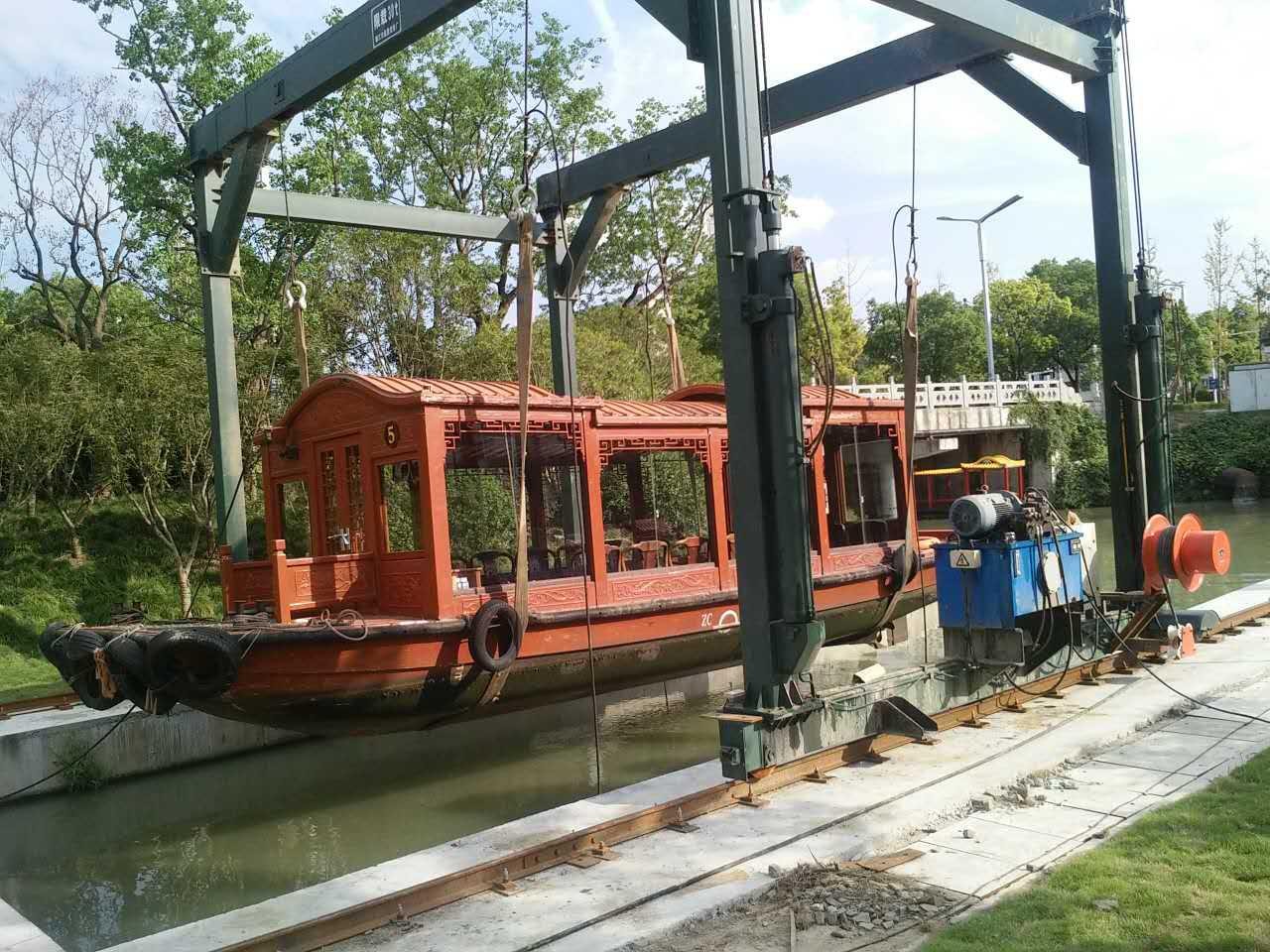
Aluminium pontoons come in various designs to suit different marina needs. Modular pontoons are popular for their ease of assembly and scalability, allowing engineers to customize layouts quickly. Solid pontoons provide enhanced stability for heavy loads, such as fuel stations or large yachts. There are also foam-filled pontoons, which add buoyancy and reduce the risk of sinking if damaged. Each type caters to specific engineering requirements, from small private docks to large commercial marinas. Understanding these variations helps in selecting the right aluminium pontoon for your project.
Construction and Engineering Insights
The build quality of aluminium pontoons is critical for safety and durability. Typically, marine-grade aluminium alloys, like 5083 or 6061, are used for their excellent weldability and resistance to saltwater corrosion. Construction involves extrusion processes to form hollow sections, which are then welded into airtight compartments. Engineering considerations include load capacity calculations, wave action tolerance, and attachment systems for secure mooring. In international yacht marina projects, engineers often integrate aluminium pontoons with galvanized steel frames or composite materials for added strength. Proper fabrication ensures these pontoons withstand years of use in turbulent waters.
Advantages of Aluminium Pontoons
Aluminium pontoons offer several benefits that appeal to marina developers. They are lightweight compared to concrete or wood, making installation and transportation easier. Their corrosion resistance reduces maintenance costs over time, especially in saltwater environments. Aluminium is also recyclable, aligning with sustainable engineering practices. Additionally, these pontoons provide excellent stability and can be designed with non-slip surfaces for safety. For brands like DeFever, which prioritize longevity in marine applications, aluminium pontoons are a reliable choice for building durable yacht berths.
Disadvantages of Aluminium Pontoons
Despite their strengths, aluminium pontoons have some drawbacks. Initial costs can be higher than traditional materials like wood, though long-term savings often offset this. Aluminium may dent or scratch under impact, requiring occasional repairs. In very cold climates, thermal conductivity can lead to ice formation, needing additional insulation. Also, improper welding or alloy selection can lead to galvanic corrosion when connected to dissimilar metals. Engineers must address these issues through careful design and maintenance plans.
Common Uses in Marina Projects
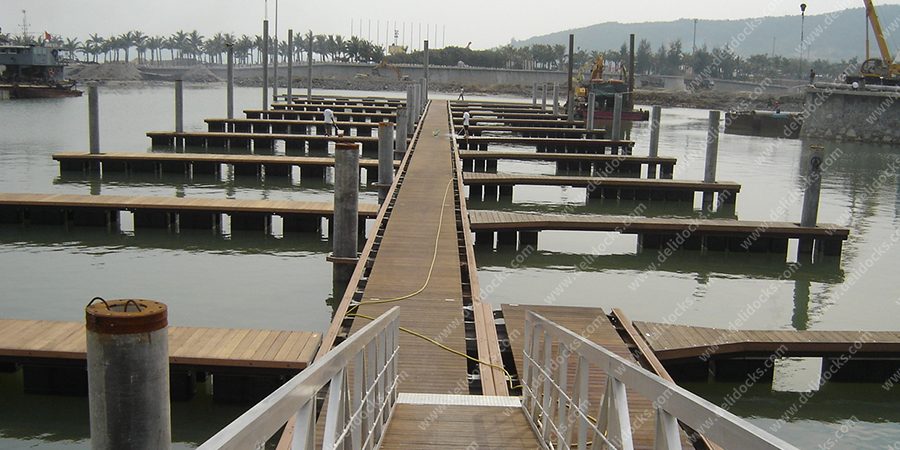
Aluminium pontoons are versatile in yacht marina engineering. They are commonly used for floating docks, providing stable berthing for boats of all sizes. Walkways and gangways made from aluminium pontoons ensure safe access in tidal areas. In larger marinas, they support amenities like restaurants, shops, or fuel stations on floating platforms. For temporary events or seasonal setups, these pontoons offer quick deployment and removal. Their adaptability makes them ideal for projects in coastal regions, lakes, and rivers where water levels fluctuate.
Why Professionals Prefer Aluminium Pontoons
Many marina engineers and contractors favor aluminium pontoons for their practical benefits. The material’s durability translates to fewer replacements and lower lifecycle costs. Ease of customization allows for creative designs that meet specific client needs, such as integrating lighting or utility lines. Professionals also appreciate the reduced environmental impact, as aluminium pontoons have a smaller footprint compared to concrete. In projects involving brands like DeFever, which emphasize quality and innovation, aluminium pontoons are often specified for their reliability and modern appeal.
Solutions for Common Challenges
To maximize the performance of aluminium pontoons, engineers employ various solutions. For corrosion prevention, sacrificial anodes or protective coatings are applied during construction. Regular inspections help identify dents or weld cracks early, preventing major failures. In icy conditions, heating elements or insulated covers can be added. To address cost concerns, modular designs allow for phased installations, spreading out expenses. By partnering with experienced suppliers, marina projects can ensure their aluminium pontoons meet local regulations and environmental standards.
In summary, aluminium pontoons represent a smart investment for yacht marina engineering, balancing strength, sustainability, and flexibility. Their growing use in international projects underscores their value in creating resilient waterfront infrastructure. As the industry evolves, materials like aluminium will continue to play a key role in shaping modern marinas. Brands such as DeFever leverage these advantages to deliver high-performance solutions for boat owners and developers alike. Whether you’re building a new dock or upgrading an existing one, considering aluminium pontoons can lead to a more efficient and lasting outcome.
Frequently Asked Questions
Q1: What are the main benefits of aluminium pontoons in marina engineering?
A1: Aluminium pontoons offer durability, corrosion resistance, and lightweight properties, making them ideal for long-term use in marine environments. They require less maintenance than wood and are recyclable, supporting sustainable practices.
Q2: How long do aluminium pontoons typically last?
A2: With proper maintenance, aluminium pontoons can last 20 to 30 years or more, depending on factors like water conditions and load usage. Marine-grade alloys enhance their lifespan by resisting rust and degradation.
Q3: Can aluminium pontoons be used in saltwater applications?
A3: Yes, aluminium pontoons are well-suited for saltwater due to their corrosion-resistant alloys. However, additional protections like anodes or coatings may be needed to prevent galvanic corrosion in harsh conditions.
Q4: What maintenance is required for aluminium pontoons?
A4: Regular cleaning, inspections for dents or cracks, and checking sacrificial anodes are key. Repainting or recoating may be necessary every few years to maintain appearance and protection.
Q5: How do aluminium pontoons compare to other materials like wood or concrete?
A5: Aluminium pontoons are lighter and more corrosion-resistant than wood, and they don’t rot. Compared to concrete, they are easier to install and adjust, though concrete may offer higher initial load capacity in some cases.